Google Fitbit Air vs Whoop 5.0 Full Comparison: Which Screenless Fitness Tracker Deserves a Spot on Your Wrist?
CHALLENGER
Fitbit Air
$99.99
One-time · No subscription required
DEFENDING CHAMPION
Whoop 5.0
$199–$359/yr
Subscription only · Device stops without it
For six years, Whoop owned the screenless fitness tracker category alone. If you wanted distraction-free 24/7 health tracking, your only option was a subscription that costs $199–$359 per year, every year, forever. Skip a payment and the hardware becomes a paperweight.
On May 7, 2026, Google fired a direct shot: the Fitbit Air. Same concept — screenless, 24/7, wrist-worn, app-based. Different price: $99.99 once, no subscription required. Demo units are already in Google Stores. Side-by-side photos from Reddit show the Air is roughly half the size of a Whoop on the wrist.

But cheaper doesn't automatically mean better. Whoop samples heart rate 52× more frequently. Its battery lasts twice as long. It straps to your bicep, calf, and even inside clothing. The subscription model funds a mature data platform built over a decade of athlete testing.
This article compares everything — sensors, battery, cost over 5 years, sleep tracking, AI coaching, wear positions, water resistance, and ecosystem — then tells you honestly which device is better for which person. We also compare both against Oura Ring 4, Amazfit Helio Strap, and Polar Loop.
We run The Pixel Case, the only Pixel-exclusive accessories store. We're expanding into Fitbit Air bands as our next product line. But this article isn't a sales pitch — it's an honest comparison. When Whoop is better, we say so.
The Money — 5-Year Cost of Ownership
This is where the conversation starts and often ends. The pricing models are fundamentally different, and the gap is brutal over time.
| Option | Year 1 | Year 2 | Year 3 | Year 5 | 5-Year Total |
|---|---|---|---|---|---|
| Fitbit Air (no sub) | $100 | $0 | $0 | $0 | $100 |
| Fitbit Air + Premium | $180* | $120 | $120 | $120 | $660 |
| Whoop One | $199 | $199 | $199 | $199 | $995 |
| Whoop Peak | $239 | $239 | $239 | $239 | $1,195 |
| Whoop Life (MG) | $359 | $359 | $359 | $359 | $1,795 |
*Year 1 Premium = $100 hardware + $80 (9 months after 3-month trial). Years 2+: $120/year.
The 5-Year Math
Fitbit Air (no subscription) vs Whoop Peak: save $1,095 over 5 years.
Fitbit Air with Premium vs Whoop Peak: save $535 over 5 years.
Fitbit Air with Premium vs Whoop Life (MG): save $1,135 over 5 years.
The single most important fact in this comparison: if you stop paying Whoop, your device stops working. If you stop paying Fitbit Air's optional Premium, your device keeps tracking everything — you just lose the AI coaching layer. Core sensors, sleep tracking, heart rate, SpO2, and activity all continue working forever on the $100 you already spent.

Head-to-Head: Every Spec Compared
| Category | Fitbit Air | Whoop 5.0 | Whoop MG | Verdict |
|---|---|---|---|---|
| Price model | $100 once + optional $10/mo | $199–$239/yr required | $359/yr required | Fitbit Air |
| Weight (with band) | 12g | ~28g | ~30g | Fitbit Air |
| Pod size | 34.9×17×8.3mm (5.2g) | Larger — ~2× the Air | Larger | Fitbit Air |
| Battery life | 7 days | 14+ days | 14+ days | Whoop |
| Fast charge | 5 min = 1 day | Wireless PowerPack (on-wrist) | Wireless PowerPack | Tie — different strengths |
| HR sampling rate | ~0.5 Hz | 26 Hz (52× more) | 26 Hz | Whoop |
| Water resistance | 50m (5 ATM) | 10m (IP68) | 10m (IP68) | Fitbit Air |
| Wear positions | Wrist only | Wrist, bicep, calf, apparel | Wrist, bicep, calf, apparel | Whoop |
| AFib detection | ✅ Irregular rhythm alerts | ❌ No | ✅ FDA-cleared ECG | Fitbit Air vs 5.0 / MG wins |
| Sleep tracking | Stages + score + Smart Wake | Stages + clinical-grade algorithm | Same | Whoop (more data points) |
| Recovery/Readiness | Cardio Load + Readiness Score | Strain + Recovery (gold standard) | Same + blood pressure | Whoop (deeper) |
| AI coaching | Gemini Health Coach (Google AI) | Whoop Coach | Whoop Coach | Fitbit Air (Gemini) |
| Multi-device pairing | ✅ + Pixel Watch | ❌ Whoop only | ❌ Whoop only | Fitbit Air |
| Phone compatibility | Android + iOS | Android + iOS | Android + iOS | Tie |
| Cycle tracking | ✅ | ✅ | ✅ | Tie |
| Band options at launch | 4 colours + Curry SE | 20+ bands + apparel pods | Same | Whoop (for now) |
Scorecard: Fitbit Air 7 — Whoop 6 — Tie 3
Fitbit Air wins on price, weight, size, water resistance, AFib detection (vs 5.0), AI coaching, and multi-device. Whoop wins on battery, HR sampling, wear positions, sleep depth, recovery analytics, and band ecosystem. It's genuinely close — but the categories Fitbit Air wins in matter more for most people.
Who Each Tracker Is Actually For — The Honest Framework
Buy the Fitbit Air If...
• You want health tracking without paying forever
• You hate wearing bulky tech to bed
• You own a Pixel Watch and want a night tracker
• You're new to screenless tracking
• Budget is a factor — $100 is your ceiling
• You swim (50m vs Whoop's 10m)
• You want Google/Gemini AI health coaching
Buy the Whoop If...
• You're a serious athlete who trains by strain/recovery
• You need a bicep band for accurate high-intensity HR
• 14-day battery is non-negotiable
• You want the most granular recovery data available
• You want ECG (Whoop MG only, $359/yr)
• You want in-clothing pods (sports bra, shorts)
• Money isn't a concern for health data
The Wider Field — Fitbit Air vs Oura Ring 4 vs Amazfit Helio vs Polar Loop
Whoop isn't the only alternative. The screenless tracker market has grown significantly since 2024.
| Factor | Fitbit Air | Oura Ring 4 | Amazfit Helio | Polar Loop |
|---|---|---|---|---|
| Form | Wristband | Ring | Wristband | Wristband |
| Price | $100 | $349 + $6/mo | $100 | $200 |
| Subscription? | Optional ($10/mo) | Required ($6/mo) | No | No |
| Battery | 7 days | 7 days | 7 days | 4–5 days |
| AI coaching | Gemini (best-in-class) | Basic | Zepp Coach | Basic |
| Water rating | 50m | 100m | 50m | 30m |
| Sleep tracking | Excellent | Category-leading | Good | Adequate |
| App quality | Google Health (excellent) | Excellent | Decent | Dated |
| Best for | Most people | Ring lovers, sleep focus | Budget alt | Running focus |
Oura Ring 4 is the closest competitor in philosophy (passive, 24/7, no screen) but uses a different form factor (ring vs band). Oura's sleep tracking is category-leading, but it costs $349 + $6/month ($709 over 3 years vs Fitbit Air's $100). Once Google Health starts ingesting Oura data (coming 2026), the Ring's subscription becomes harder to justify — you'd get the same insights from a $100 Fitbit Air on the same Google Health platform.
Amazfit Helio Strap matches Fitbit Air on price ($100) and subscription model (none required). But its Zepp app is significantly less polished than Google Health, and it lacks the Gemini AI coaching layer. If you're choosing between Amazfit and Fitbit Air at the same price, Google Health alone tips the balance.
Polar Loop at $200 offers decent hardware but a dated app that Polar has promised to update. At double the Fitbit Air's price with a weaker software platform, it's hard to recommend unless you're deeply embedded in the Polar Flow ecosystem for running.
Bands, Accessories & the Pixel Ecosystem
Google is selling official Fitbit Air bands starting at $34.99 — Performance Loop (textile), Active Band (silicone), and Elevated Modern Band. The Stephen Curry Special Edition ($129.99) includes a co-designed Performance Loop in rye brown with orange accents.
Whoop currently wins on band and accessory variety with 20+ options including bicep bands, calf bands, sports bras, and shorts with built-in sensor pockets. This is a genuine advantage for athletes who need multi-position wear.
Third-party Fitbit Air bands are expected to appear quickly — the pop-out pod design makes accessory development straightforward.
Coming to The Pixel Case: Fitbit Air Bands
At The Pixel Case, we're expanding from Pixel phone cases and Pixel Watch bands into Fitbit Air accessories. We already deliver 40–73% savings on Pixel Watch bands vs Google's prices. Expect the same on Fitbit Air bands — silicone, nylon, leather, and braided options at well below $34.99.
Meanwhile, our existing Pixel ecosystem accessories are ready now:
Pixel Watch Bands — 14 styles from $14.95 →
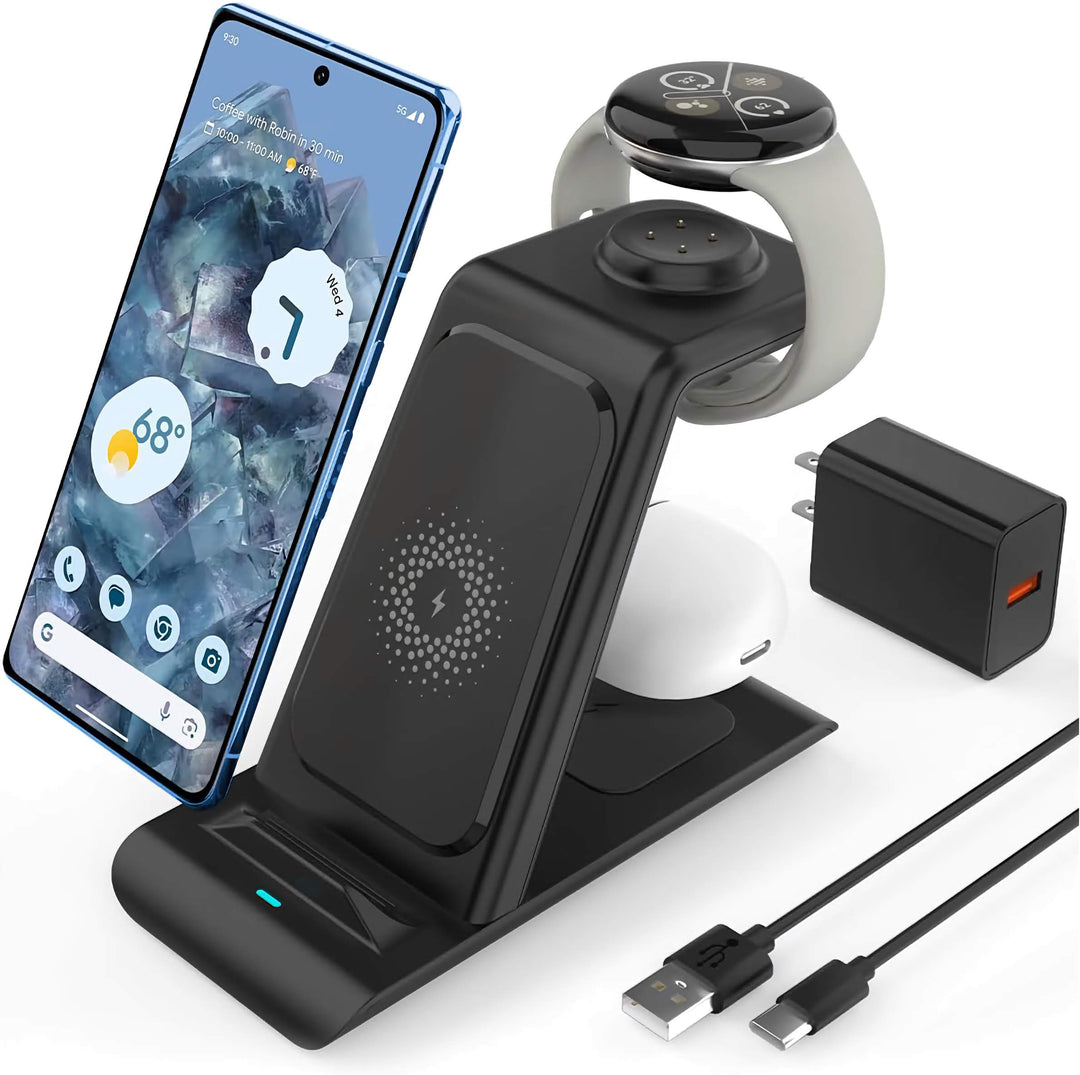
ChargeHub 3-in-1 — phone + Watch + Buds on one station ($67) →
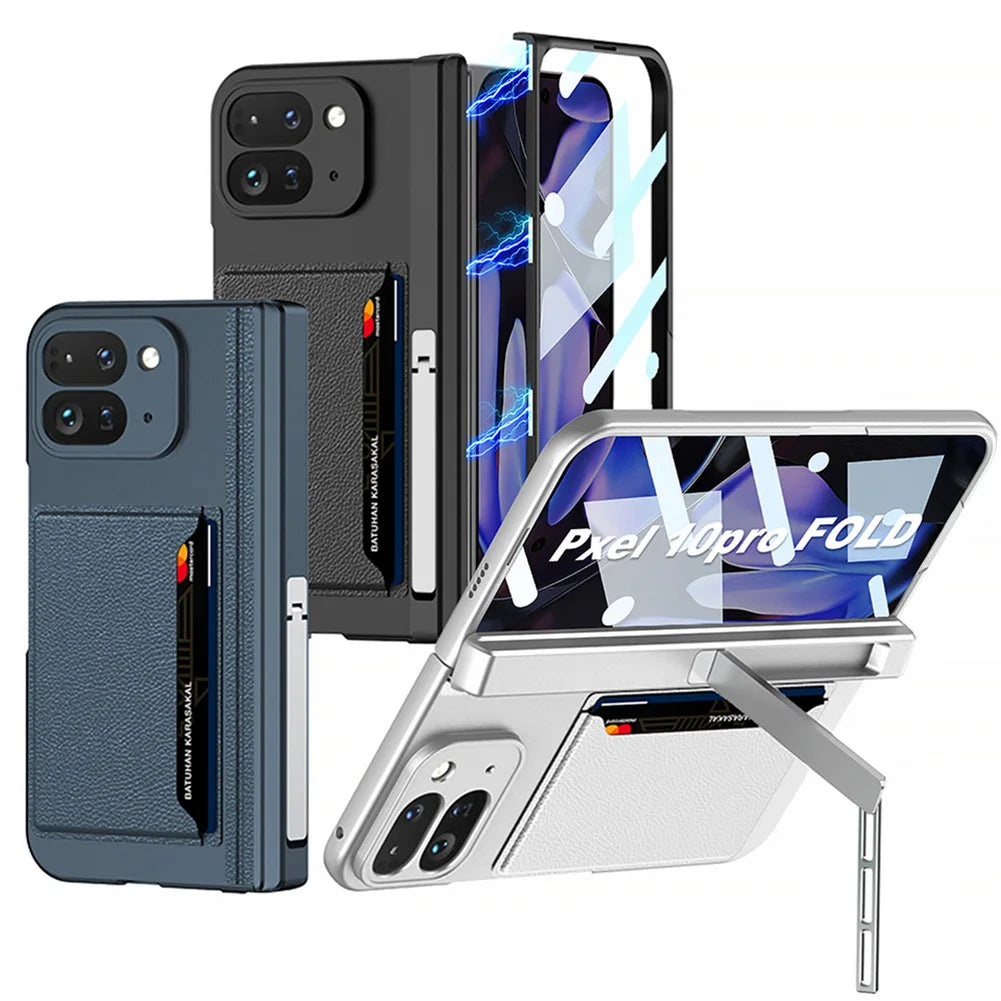
Pixel 10 Cases — 70+ MagSafe options →
Pixel 10 Pro XL Cases — 64+ options →
The Final Verdict
The Fitbit Air doesn't beat Whoop at everything. Whoop has better battery life, higher sensor frequency, more wear positions, and deeper athletic analytics. For serious athletes who train by Strain and Recovery scores, Whoop remains the gold standard.
But the Fitbit Air beats Whoop where it matters most for the other 90% of people: price ($100 once vs $199+/year forever), weight (half the size on your wrist), water resistance (swim-proof), AI coaching (Gemini), no mandatory subscription, and Pixel ecosystem integration.
The screenless tracker category just went from a one-brand monopoly to a genuine two-horse race. For most people, the smart money is on the $99 horse.
Frequently Asked Questions
Is the Fitbit Air better than Whoop?
For most people, yes — $99 once vs $199+/year, half the weight, better water resistance, Gemini AI, no mandatory subscription. For serious athletes needing elite HRV data, 14-day battery, and bicep wear, Whoop remains superior at 6–10× the cost.
How much does the Fitbit Air cost vs Whoop over 5 years?
Fitbit Air without subscription: $100 total. With Premium: $660. Whoop One: $995. Whoop Peak: $1,195. Whoop Life: $1,795. The Fitbit Air saves $535–$1,135 over 5 years depending on tier.
Does the Fitbit Air require a subscription?
No. Core tracking works forever without paying. Google Health Premium ($9.99/month) unlocks Gemini AI coaching but isn't required. 3 months free included. Whoop requires a subscription — device is useless without it.
Why does Whoop have better heart rate data?
Whoop samples heart rate at 26 Hz (26 times per second) vs Fitbit Air's ~0.5 Hz. More data points = more accurate beat-to-beat variability, especially during high-intensity intervals. For resting HR and daily averages, both are comparable.
Can the Fitbit Air replace an Apple Watch or Pixel Watch?
No — it has no screen, no notifications, no GPS, no apps. It's a complement, not a replacement. Ideal setup: smartwatch during the day, Fitbit Air for sleep and recovery at night.
Is the Fitbit Air smaller than the Whoop?
Yes — significantly. Side-by-side photos show the Air is roughly half the Whoop's size on the wrist. The Air pod weighs 5.2g vs Whoop's ~28g with band. Google claims it's 25% smaller than the Fitbit Luxe.
Where can I buy Fitbit Air accessories and Pixel accessories?
Google Store for official Fitbit Air bands ($34.99+). The Pixel Case (thepixelcase.com) for Pixel Watch bands, phone cases, and chargers at 40–73% less than Google. Fitbit Air bands coming soon to The Pixel Case.
The Pixel Ecosystem — One Store for Everything
Phone cases · Watch bands · 3-in-1 charger · Fitbit Air bands (coming soon)