Google Pixel 10a Full Review: Everything You Need To Know
The Google Pixel 10a arrives on February 18, 2026 — earlier than any previous a-series model with pre-orders opening the same day and retail availability expected by March 5. It's Google's latest attempt to deliver flagship AI features and one of the best smartphone cameras at a price that undercuts every premium phone on the market.
Available in four colours — Obsidian, Fog, Lavender, and the new Berry — the Pixel 10a targets Pixel fans looking for an affordable upgrade, first-time Pixel buyers, and anyone who wants Google's software experience without the flagship price tag.

This Pixel 10a review covers every angle: design, display, performance, cameras, battery life, software, and how it stacks up against the Pixel 9a and Pixel 10. Whether you're upgrading from an older Pixel or crossing over from another brand, here's everything you need to know before you buy.
Explore Pixel 10a accessories →
Design and Build Quality
The Pixel 10a continues Google's current design language: flat aluminium rails, a matte-finish back, and clean lines that feel modern without being aggressive. Dimensions come in at 153.9 x 73.0 x 9.0mm with a weight of 183g — slightly more compact and three grams lighter than the Pixel 9a, making it noticeably more pocketable despite the marginal numbers.
The biggest visual change is the camera module. Where the Pixel 9a had its lenses sitting nearly flush with the body, the Pixel 10a refines this further with a camera module that sits completely flat against the back panel. It's a subtle but welcome adjustment that reduces wobble on flat surfaces and gives the phone a cleaner profile.
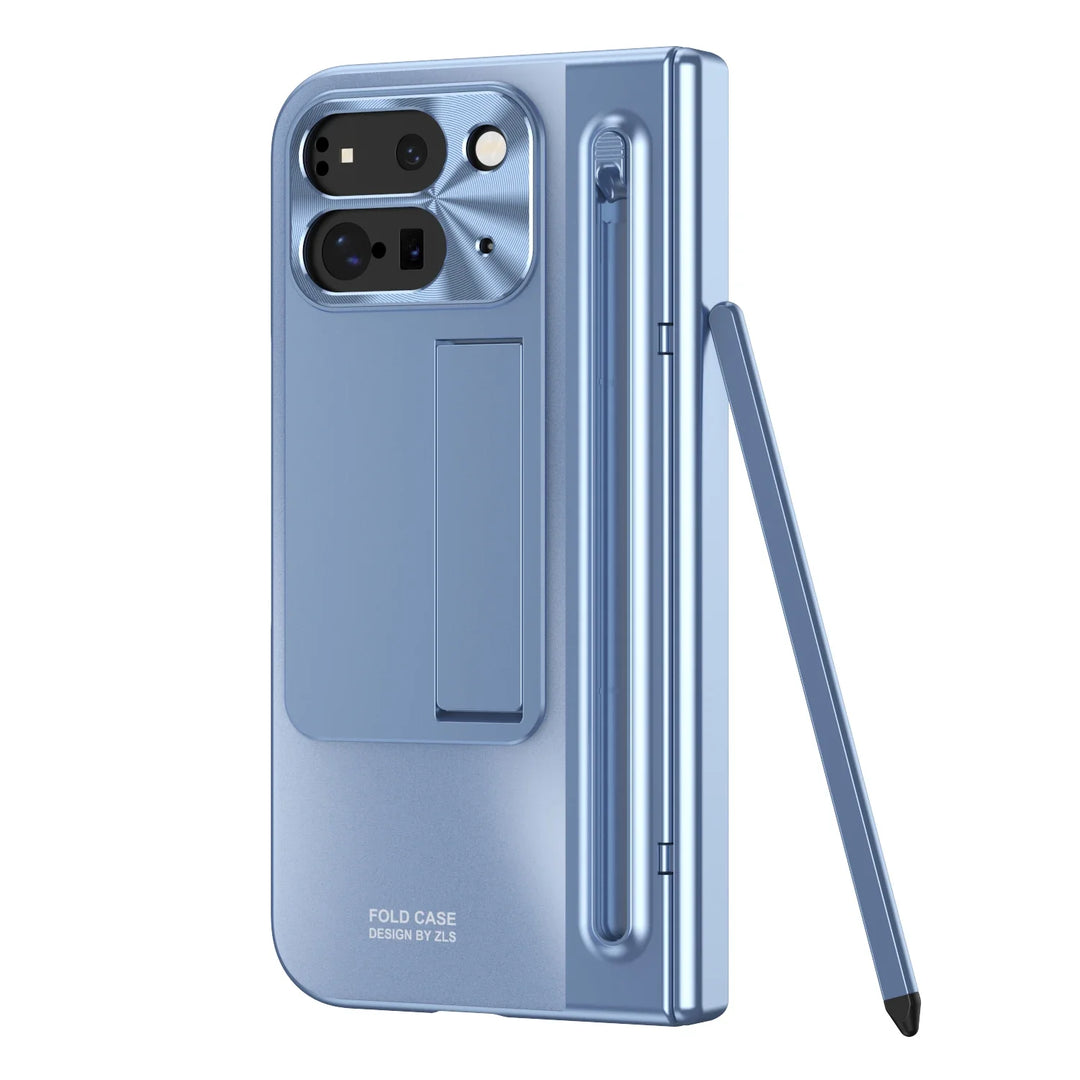
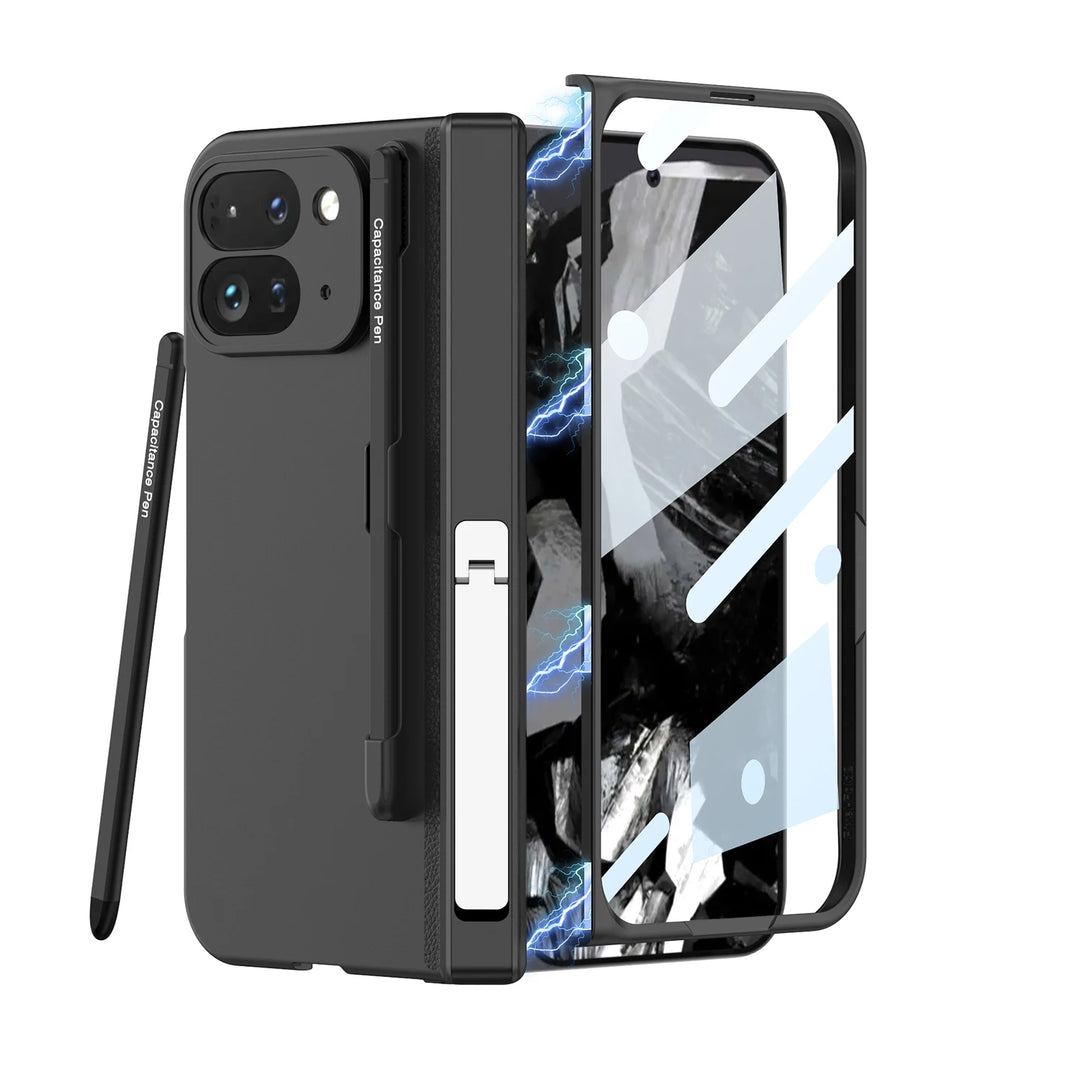
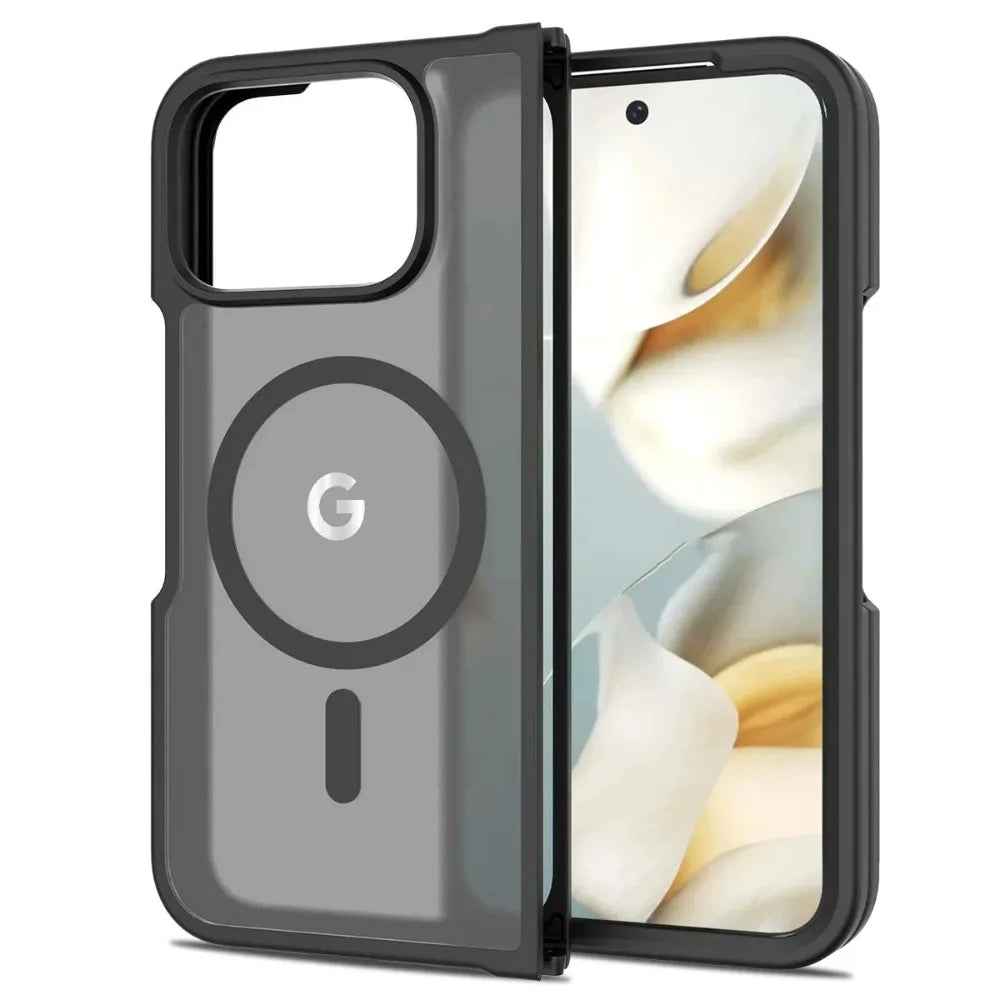
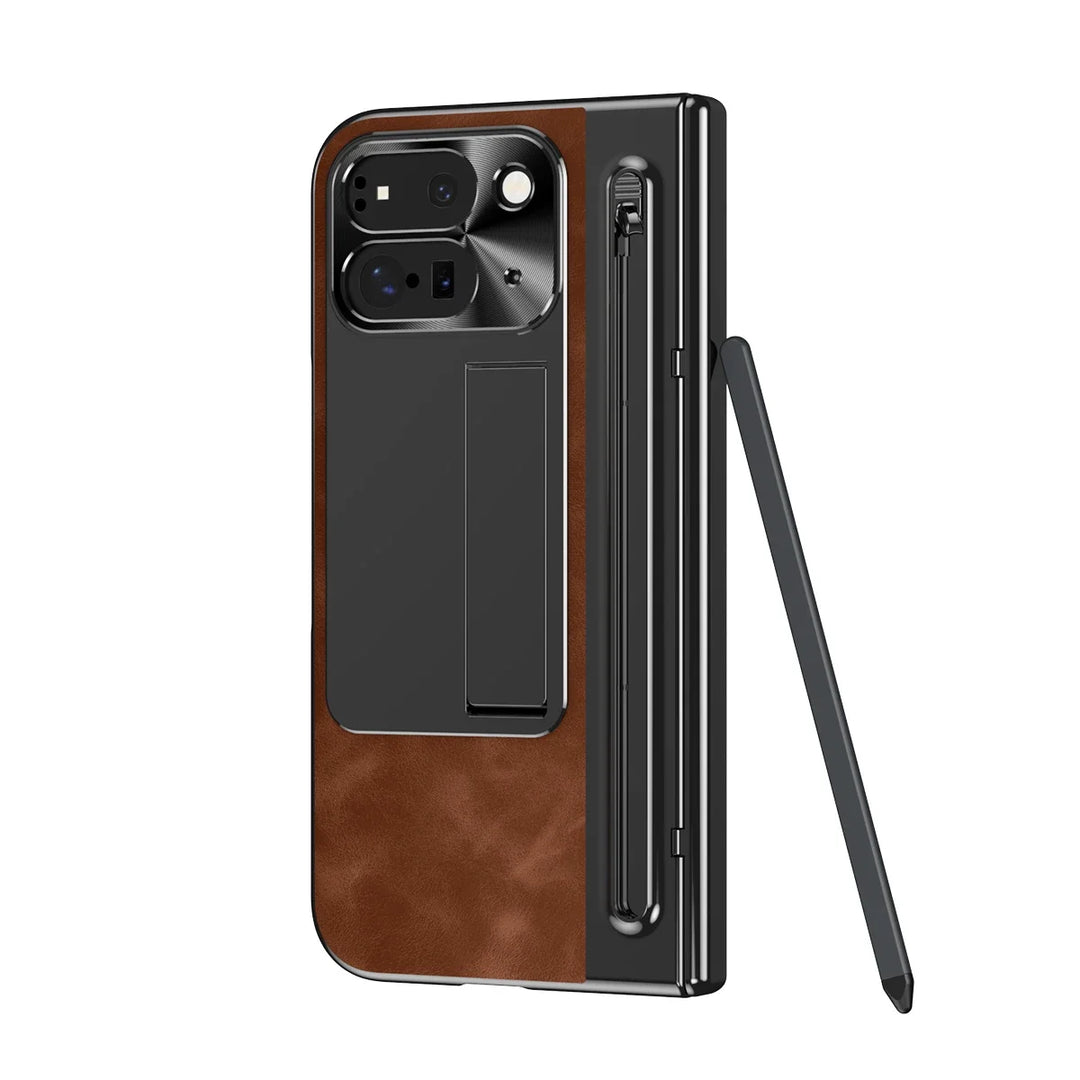
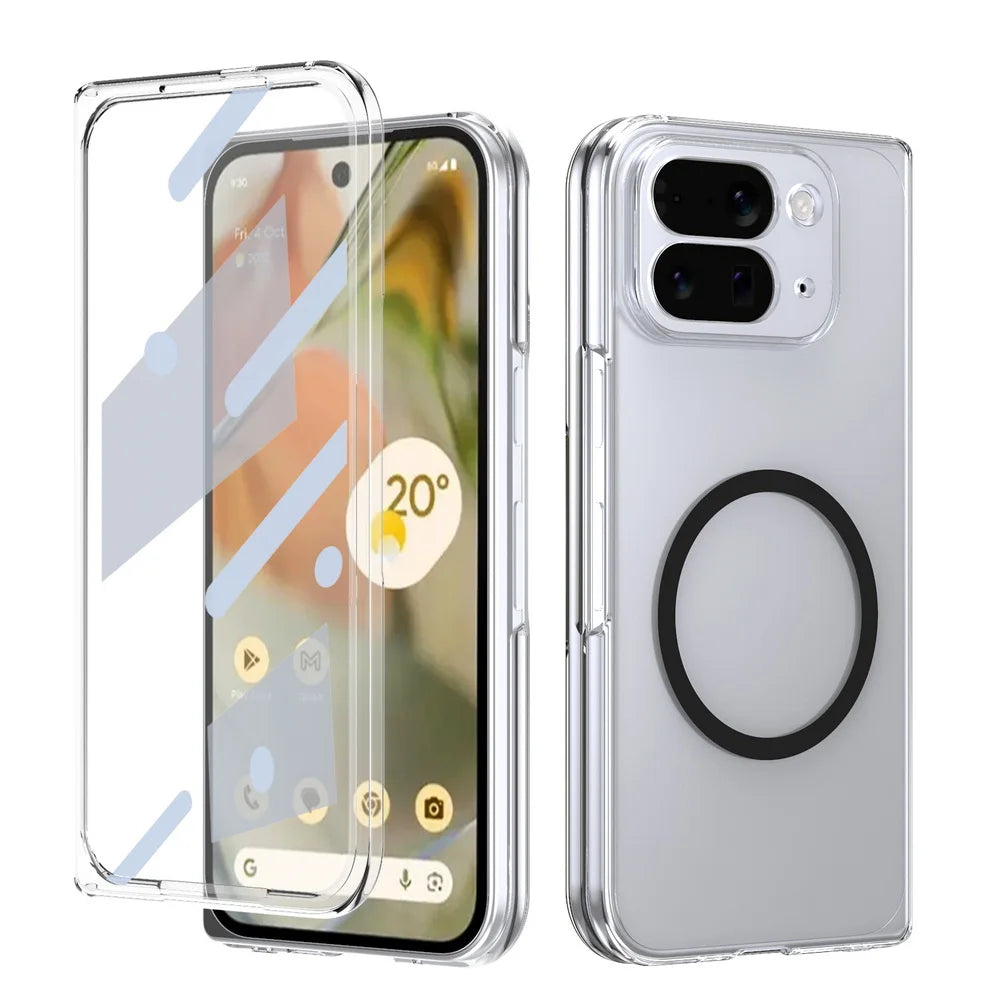
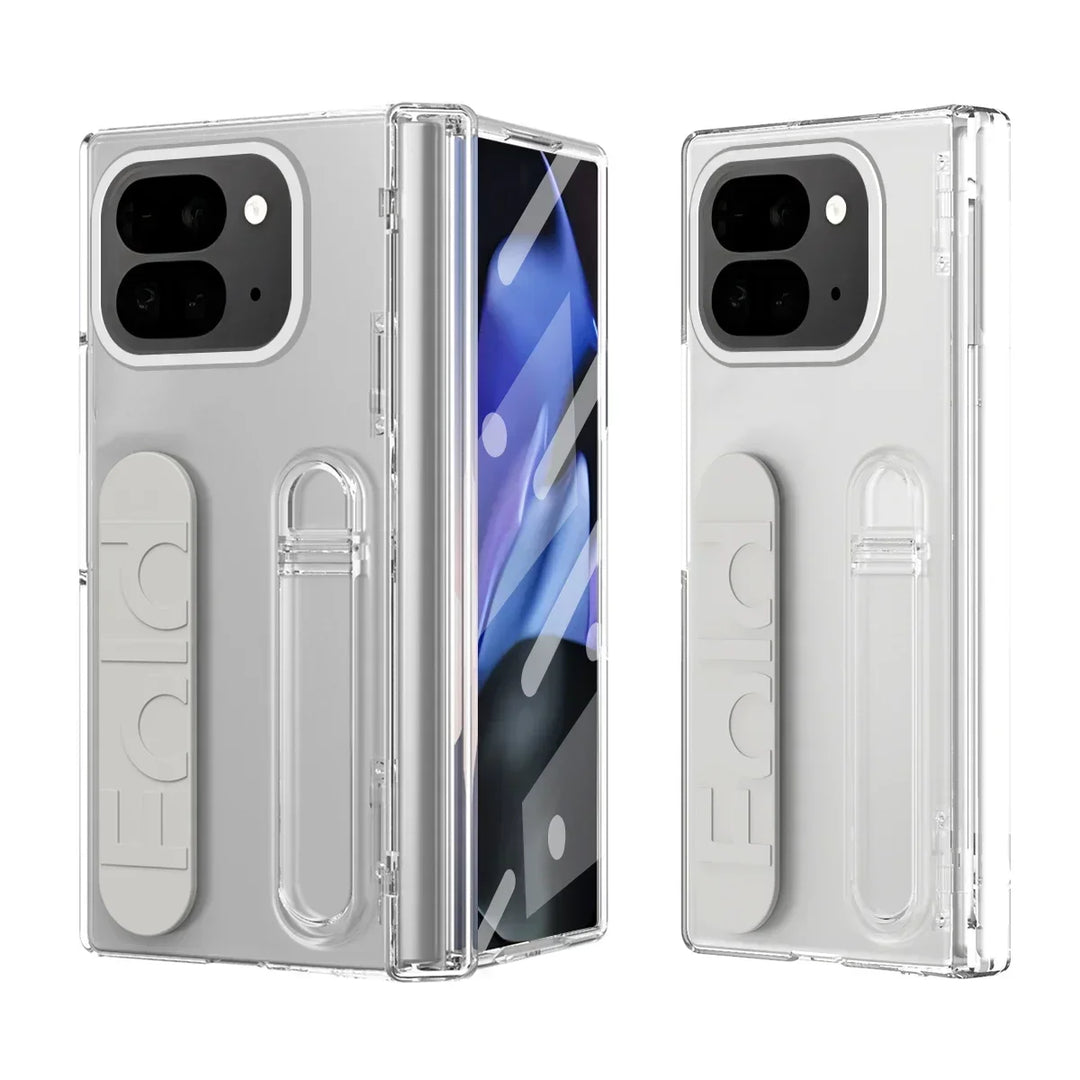
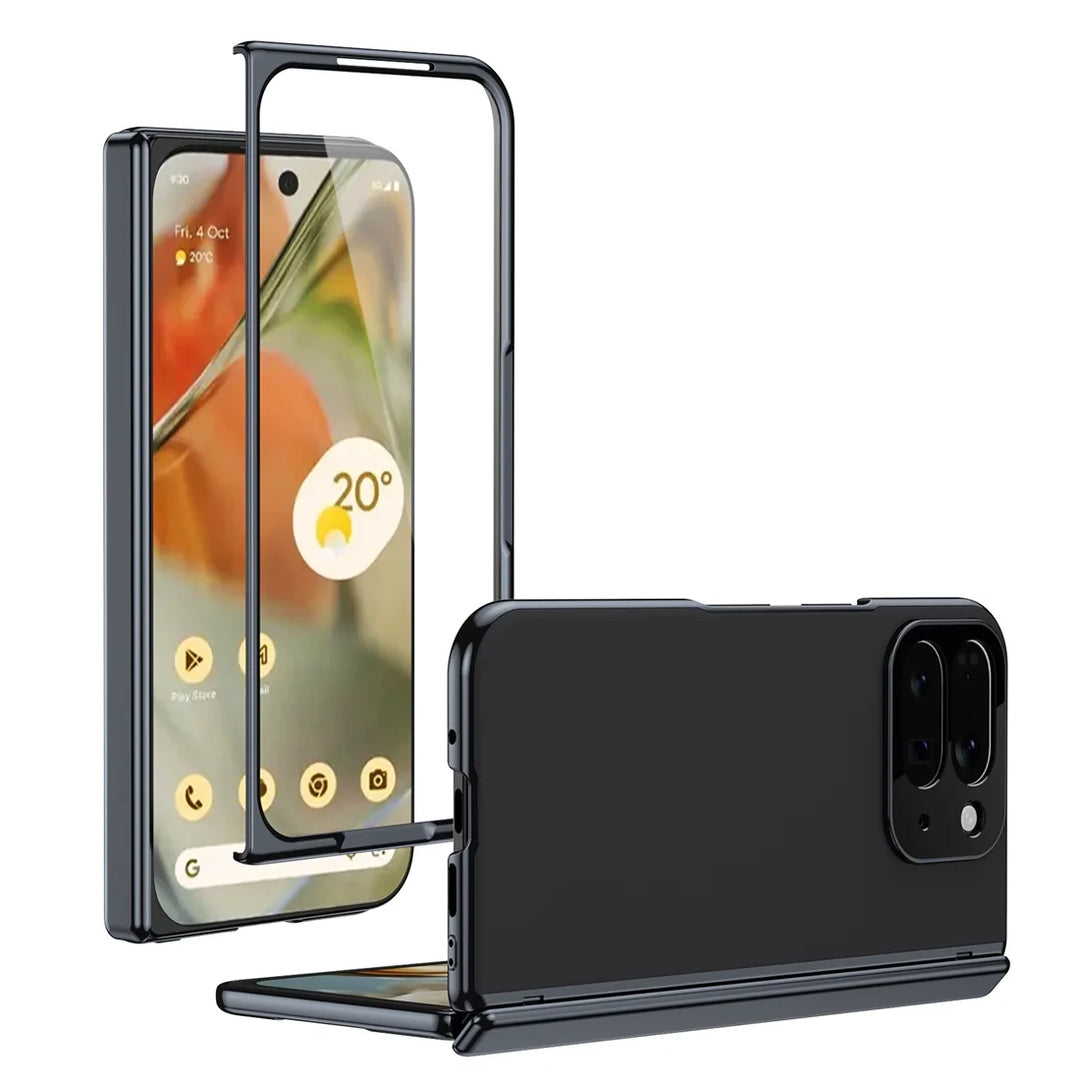
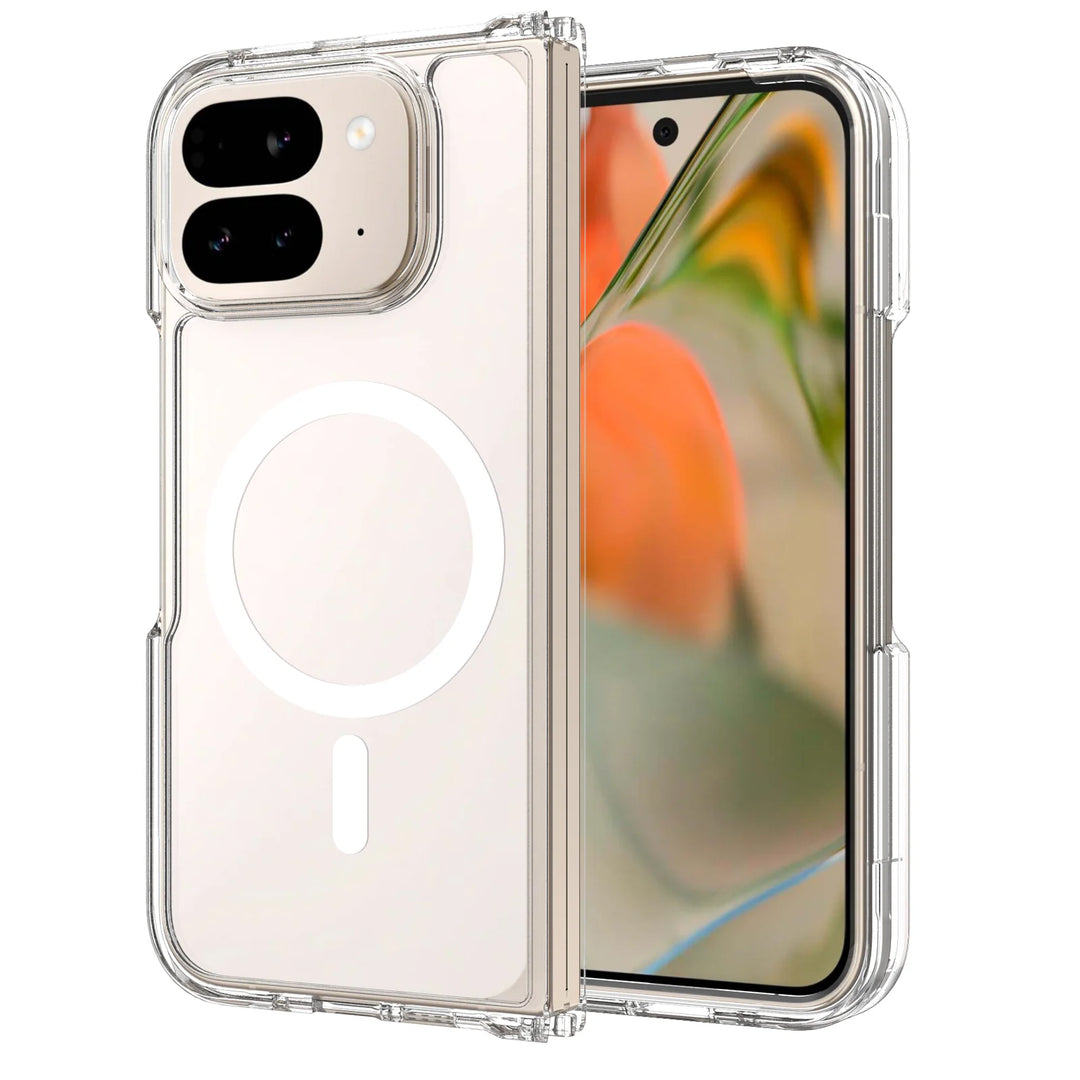
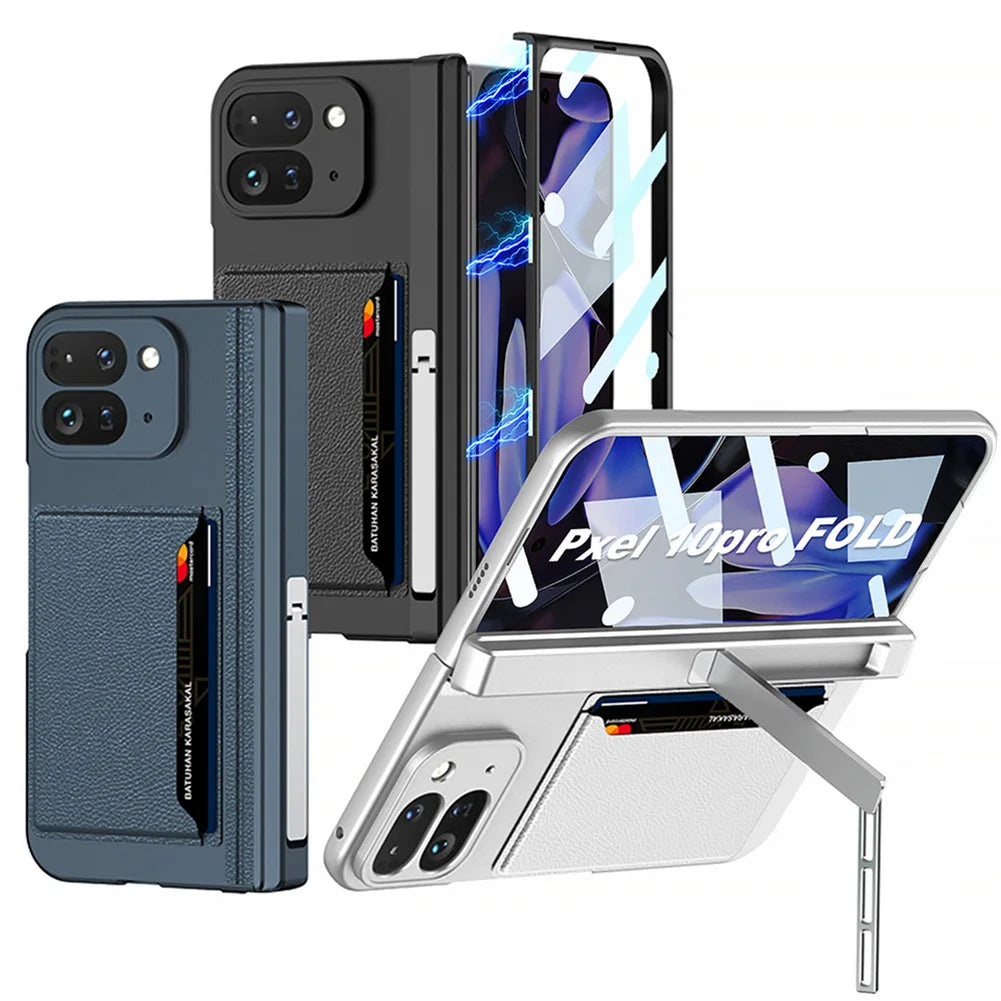
Build materials are standard for this price tier: an aluminium frame with a plastic composite back. The phone carries an IP68 dust and water resistance rating, which is excellent for a mid-range device. Compared to the Pixel 10's Gorilla Glass Victus 2 and satin aluminium construction, the 10a trades some premium feel for a lighter, more durable everyday carry. Button placement is consistent with recent Pixels — power and volume on the right rail — with minor repositioning that means Pixel 9a cases will not fit. Case choice impacts how this phone feels in hand significantly; a slim case preserves the lightweight character, while a rugged option adds grip without dramatically changing the profile.
Display: Brightness, Refresh Rate, and Daily Use
The Pixel 10a features a 6.3-inch P-OLED panel with a resolution of 2424 x 1080 pixels — sharp enough for comfortable text reading at any size, and dense enough that individual pixels are invisible at normal viewing distances. The adaptive refresh rate switches between 60Hz and 120Hz based on content, keeping scrolling fluid while conserving battery when the screen is static. It's worth noting this isn't full LTPO, so it doesn't drop to 1Hz like the Pixel 10 — but for most users, the 60-120Hz range covers daily needs well.
The standout upgrade here is the display glass: Corning Gorilla Glass 7i replaces the ageing Gorilla Glass 3 that had been used on every a-series Pixel since the Pixel 4a. This is a long overdue improvement that meaningfully increases scratch and drop resistance. Colour accuracy is strong with OLED-standard deep blacks and vibrant saturation, and HDR content looks excellent. Outdoor visibility is good, though Google hasn't officially confirmed peak brightness figures for the 10a yet — reports suggest improvements over the Pixel 9a's 1,700-nit peak. Compared to the Pixel 10's 3,000-nit peak and Gorilla Glass Victus 2, there's a gap — but the 10a's display is more than adequate for a phone in this price class.
Performance and Software
This is the section that will generate the most debate in every Google Pixel 10a review. The phone runs on Google's Tensor G4 processor — the same 4nm chip found in the Pixel 9a and the Pixel 9 series — paired with 8GB of LPDDR5X RAM and 128GB or 256GB of UFS 3.1 storage. Google chose not to use the newer Tensor G5 chip found in the Pixel 10 family, and that decision has clear trade-offs.
In practical terms, the Tensor G4 handles everyday tasks smoothly: app launches, multitasking, web browsing, and social media all feel responsive. The octa-core CPU with a Cortex-X4 prime core at 3.1GHz delivers enough headroom for anything short of intensive gaming. Where you'll notice the difference is in AI processing: the Tensor G5's 60% more powerful TPU enables features like Magic Cue, Voice Translate with voice mimicry, and the latest Gemini Nano capabilities that the 10a simply can't match. The Pixel 10a still gets Magic Editor, Circle to Search, Best Take, Night Sight, Photo Unblur, and real-time translation — the core AI suite that makes Pixels special — but the newest on-device AI features remain exclusive to G5-powered devices.
On the software side, the Pixel 10a ships with Android 16 and receives seven years of OS updates, security patches, and Pixel Drops — extending support through 2033. That's identical to what the Pixel 10 gets, and it's a massive long-term value proposition. The clean, bloat-free Android experience with Material 3 Expressive design feels premium regardless of price tier. Heat management under sustained load is comparable to the 9a: the phone gets warm during extended gaming or camera use but doesn't throttle aggressively enough to impact daily use.
Camera: Photo and Video Quality
The camera system is where every Pixel 10a review has to acknowledge Google's greatest strength — and this phone delivers. The hardware is identical to the Pixel 9a: a 48MP main sensor (Samsung GN8) with f/1.7 aperture and optical image stabilisation, a 13MP ultrawide with 120-degree field of view, and a 13MP front-facing camera with 96.1-degree ultrawide angle.
Daylight Photography
In good light, the Pixel 10a produces images that are genuinely difficult to distinguish from flagship phones. Google's computational photography pipeline — HDR+, Real Tone, and intelligent scene detection — does the heavy lifting. Colours are natural without the oversaturation that some competitors favour, dynamic range is excellent, and detail in the 12MP output (from quad-pixel binning) is sharp and clean. The ultrawide performs well for landscapes and architecture, though edge distortion is noticeable in close quarters.
Low-Light and Night Photography
Night Sight remains one of the Pixel line's killer features, and it works impressively well on the 10a. The f/1.7 main lens gathers plenty of light, and Google's processing does an excellent job of reducing noise while preserving detail. The results won't match the Pixel 10 Pro's dedicated Night Sight improvements, but for a mid-range phone, this is as good as low-light photography gets.
Video
Video recording reaches 4K at 30fps — functional but not class-leading. Stabilisation is good for handheld shooting, and colours remain consistent between photo and video modes. The lack of 4K 60fps is a noticeable gap compared to the Pixel 10, and the phone doesn't get Video Boost processing. For social media content and everyday video, it's more than adequate. For serious video work, look at the Pixel 10 or higher.
The biggest camera limitation compared to the Pixel 10 is the absence of a telephoto lens. The Pixel 10 added a 10.8MP 5x telephoto for the first time in the base model, with Super Res Zoom up to 20x. The 10a relies on digital zoom via Super Res Zoom up to 8x — respectable for a dual-camera setup but clearly a tier below. If zoom matters to you, this is the single biggest reason to consider stepping up to the Pixel 10.
Battery Life and Charging
The Pixel 10a packs a 5,100mAh battery — the same capacity as the Pixel 9a, which already delivered excellent endurance. Google claims over 24 hours of mixed use with Adaptive Battery, and up to 100 hours with Extreme Battery Saver. Real-world usage should comfortably get most users through a full day with screen-on time in the 6-7 hour range, based on the Pixel 9a's proven performance with the same battery and chip combination.
The major upgrade here is charging speed. Wired charging jumps from the Pixel 9a's 23W to 45W — nearly double. This is a significant quality-of-life improvement that means quick top-ups during lunch or before heading out actually make a meaningful difference. It's worth noting that this 45W figure actually exceeds the Pixel 10's 30W wired charging, which is an unusual win for the budget model.
Wireless charging status is currently unclear. The Pixel 9a supported 7.5W Qi wireless charging, but current leaked spec sheets for the 10a don't mention it. This could be an omission from early retail data or a cost-cutting measure — we'll know definitively at launch. The Pixel 10, by comparison, supports Qi2 wireless charging at 15W with Pixelsnap magnetic alignment. If wireless charging is a requirement for your setup, verify this spec before purchasing.
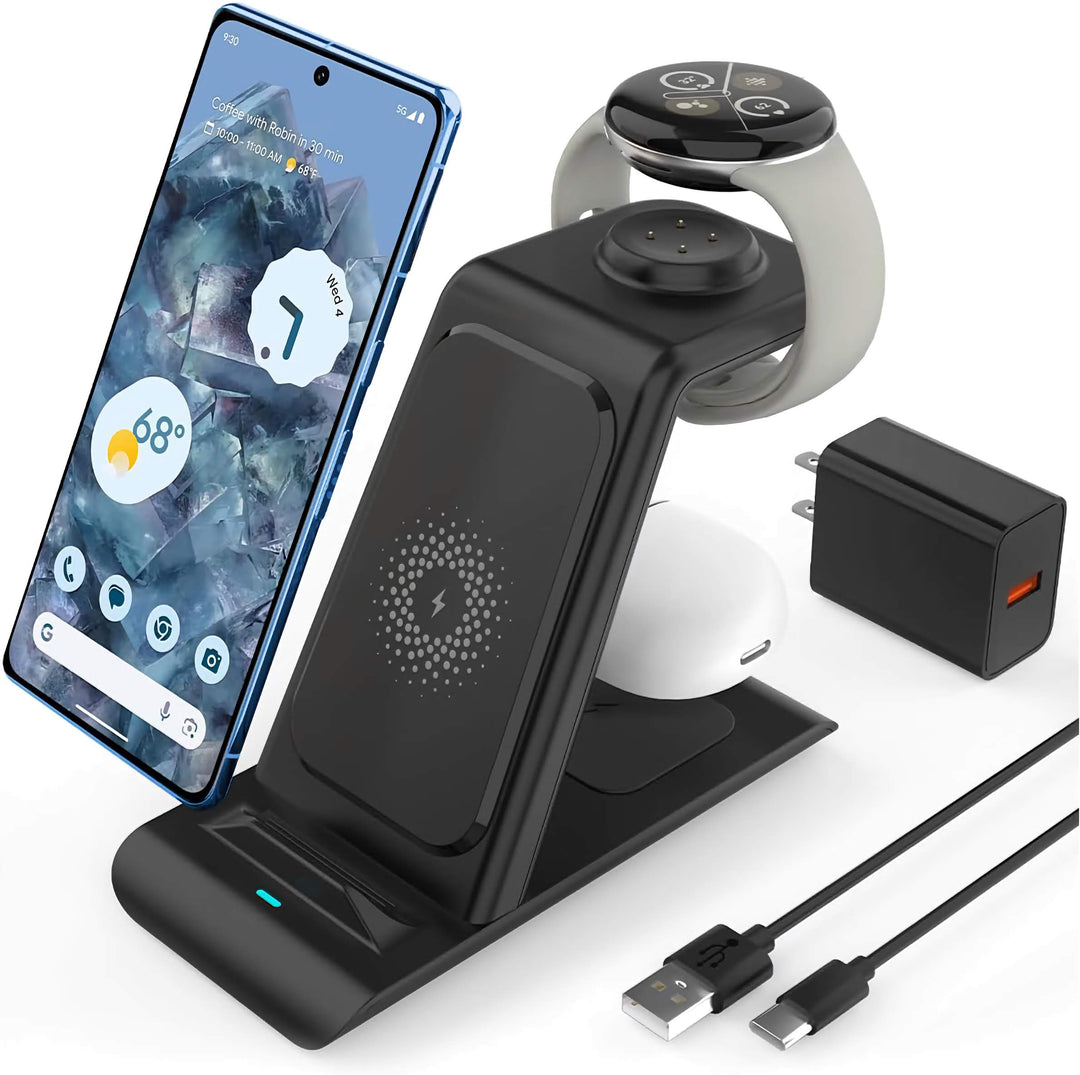
Pair with Pixel 10a charging accessories →
Pixel 10a Pros and Cons
|
Pros ✓ Exceptional camera quality for the price — Google's computational photography remains best-in-class at this tier ✓ Seven years of OS and security updates through 2033 ✓ 45W fast charging — faster than the Pixel 10 ✓ Gorilla Glass 7i — massive durability upgrade over previous a-series models ✓ Lighter, more compact body than Pixel 9a ✓ Clean Android 16 with full Pixel AI suite (Magic Editor, Circle to Search, Night Sight) ✓ Satellite emergency SOS — new for the a-series ✓ Bluetooth 6.0 support |
Cons ✗ Tensor G4 instead of G5 — misses newest AI features like Magic Cue and Voice Translate ✗ UFS 3.1 storage is slower than modern UFS 4.0 ✗ No telephoto camera — limited to 8x digital zoom ✗ Video capped at 4K 30fps ✗ Wireless charging status unconfirmed — may be removed ✗ Display doesn't drop below 60Hz (no LTPO) ✗ Glass back and exposed camera still need case + screen protector protection |
Pixel 10a vs Pixel 9a vs Pixel 10
This comparison is the heart of every Pixel 10a review for anyone deciding between Google's current lineup. Here's how the three stack up on the specs that matter most.
| Feature | Pixel 9a | Pixel 10a | Pixel 10 |
|---|---|---|---|
| Chip | Tensor G4 (4nm) | Tensor G4 (4nm) | Tensor G5 (3nm) |
| RAM | 8GB LPDDR5X | 8GB LPDDR5X | 12GB LPDDR5X |
| Display | 6.3" OLED, 120Hz, GG3 | 6.3" OLED, 120Hz, GG7i | 6.3" OLED, 120Hz, GGV2 |
| Cameras | 48MP + 13MP UW | 48MP + 13MP UW | 48MP + 13MP UW + 10.8MP 5x tele |
| Battery | 5,100mAh | 5,100mAh | 4,970mAh |
| Wired Charging | 23W | 45W | 30W |
| Display Glass | Gorilla Glass 3 | Gorilla Glass 7i | Gorilla Glass Victus 2 |
| Wireless Charging | 7.5W Qi | TBC | 15W Qi2 (Pixelsnap) |
| Price (US) | $499 | ~$499 | $799 |
| Software Support | 7 years | 7 years | 7 years |
Pixel 10a vs Pixel 9a: The upgrade is incremental. You get significantly better display glass (GG7i vs GG3), much faster charging (45W vs 23W), Bluetooth 6.0, satellite emergency SOS, and Android 16 out of the box. Everything else — chip, cameras, battery, RAM — is essentially identical. If you're on a Pixel 9a, there's no compelling reason to upgrade. If you're on a Pixel 8a or older, the 10a is a meaningful step up.
Pixel 10a vs Pixel 10: The $300 price gap buys you a lot: Tensor G5 with the latest AI features, a telephoto camera with 20x zoom, 12GB RAM, Qi2 wireless charging, 3,000-nit display brightness, and a more premium glass-and-aluminium build. If you value zoom photography, cutting-edge AI, or wireless charging, the Pixel 10 justifies the premium. If you prioritise value, battery life, and charging speed, the 10a actually wins on two of those three.
Pixel 10a Accessory Essentials
The Pixel 10a's glass-and-aluminium construction and exposed camera module mean protection should start the day you unbox. At The Pixel Case — the world's first store built entirely around Google Pixel accessories — we've protected over 50,000 Pixel users across every generation, and the 10a's slightly revised dimensions and camera geometry require model-specific accessories. Pixel 9a cases will not fit.
For users who want to preserve the 10a's slim profile, a clear or slim case shows off the new colourways while adding raised lip protection for the screen and camera. For MagSafe-compatible charging and mounting, Pixel 10a MagSafe cases add magnetic alignment without bulk. And for users who carry everything in their phone, wallet cases combine card storage with full device protection.
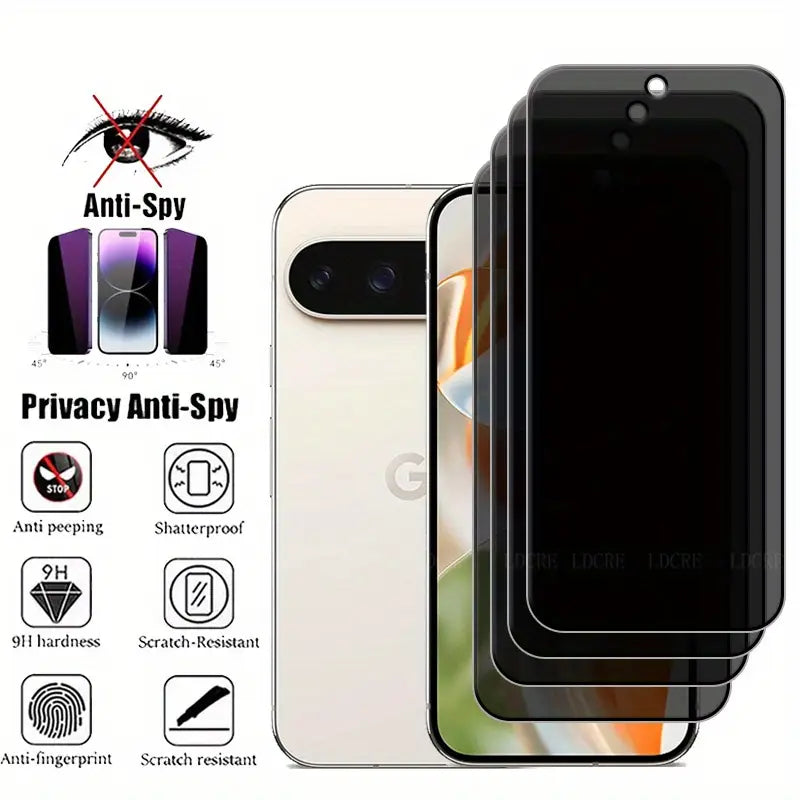
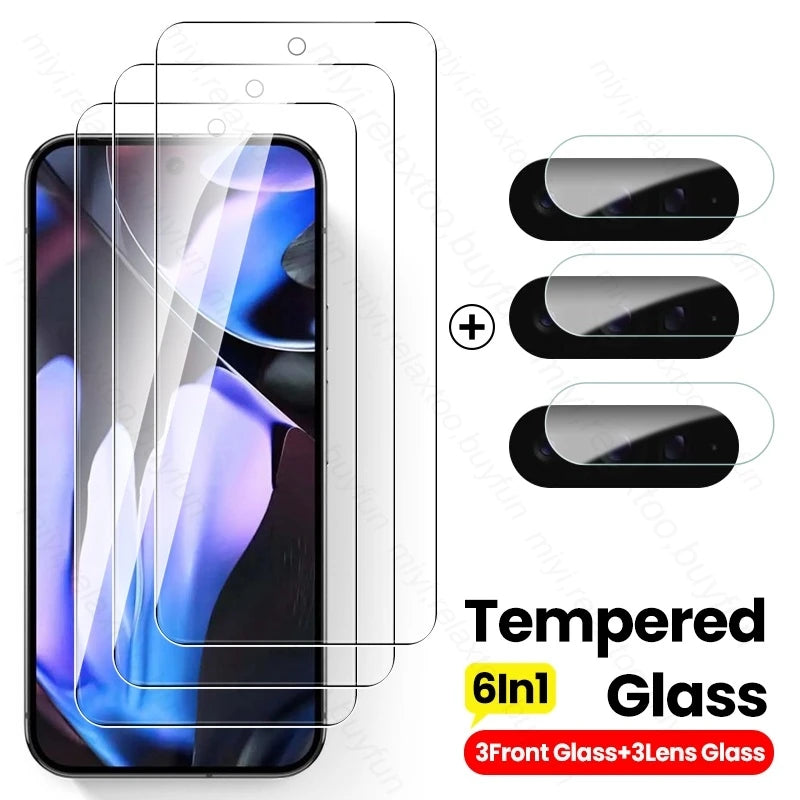
Screen protection matters more than ever with the 10a's OLED panel — even with Gorilla Glass 7i, a dedicated screen protector prevents the micro-scratches that accumulate over months of daily use. For commuters and public-transport users, an anti-spy screen protector adds visual privacy without sacrificing touch sensitivity.
Browse Pixel 10a accessories →
Who Is the Pixel 10a For?
| Budget-conscious buyers | You want flagship-level photos, clean software, and seven years of updates at half the flagship price. |
| Camera enthusiasts | Google's computational photography at $499 is unmatched. If you shoot more photos than video and don't need telephoto zoom, this delivers. |
| Pixel 8a or older upgraders | The jump from Tensor G3 to G4, plus dramatically better display glass and faster charging, makes this a worthwhile upgrade. |
| First-time Pixel users | The cleanest Android experience, regular updates, and a camera that punches well above its price — this is the best entry point into the Pixel ecosystem. |
| Long-term holders | Seven years of support means this phone stays current through 2033. If you keep devices for 3+ years, the Pixel 10a's update commitment is exceptional value. |
Who should skip it? Power users who need the latest AI features, telephoto zoom, or wireless charging should look at the Pixel 10. Gamers who want peak GPU performance should consider Snapdragon-powered alternatives. And current Pixel 9a owners have very little reason to upgrade — the improvements are real but incremental.
Frequently Asked Questions
Is the Pixel 10a worth buying?
Yes — if you're upgrading from a Pixel 8a or older, switching from another brand, or buying your first Pixel. The combination of Google's camera processing, seven years of updates, faster charging, and improved durability at around $499 makes it one of the best value smartphones of 2026. It's a harder sell if you already own a Pixel 9a, as the upgrades are modest.
How good is the Pixel 10a camera?
Excellent for its price tier. The 48MP main sensor with Google's computational photography produces photos that rival flagships in good light and low light. The main limitations are the lack of a telephoto lens (8x digital zoom vs Pixel 10's 20x with optical) and 4K video capping at 30fps.
Does the Pixel 10a support wireless charging?
This is currently unconfirmed. The Pixel 9a supported 7.5W Qi wireless charging, but current leaked spec sheets for the 10a don't mention it. It may be a data omission or a cost-cutting decision. Google's official announcement on February 18 should clarify.
What's better: Pixel 9a or Pixel 10a?
The Pixel 10a improves on the 9a with Gorilla Glass 7i (vs GG3), 45W charging (vs 23W), Bluetooth 6.0, satellite SOS, and Android 16. The core chip, cameras, battery, and RAM are identical. If you don't own either, buy the 10a. If you're on a 9a, the upgrade isn't essential.
Do Pixel 10 cases fit the Pixel 10a?
No. The Pixel 10 and Pixel 10a have different dimensions, camera module layouts, and button placements. Cases are not interchangeable between the two models. Always use a case specifically designed for the Pixel 10a to ensure proper fit, camera protection, and port access.
Final Verdict
The Pixel 10a is a refinement, not a revolution — and that's not a bad thing when the foundation is already this strong.
The honest take on this Google Pixel 10a review: if you're expecting a dramatic leap forward, you'll be disappointed. Google played it conservative — same chip, same cameras, same battery capacity. But the improvements they did make are genuinely useful: dramatically better display glass, nearly doubled charging speed, satellite emergency calling, and Bluetooth 6.0. Combined with the Pixel line's unmatched camera processing, the cleanest Android experience available, and seven years of guaranteed updates, the Pixel 10a delivers real value at around $499.
It won't outperform the Pixel 10 in raw capability. It won't match a Snapdragon flagship in benchmarks. But for the majority of smartphone users who want an excellent camera, reliable all-day battery, and a phone that stays current for years — the Pixel 10a does exactly what it needs to do, and it does it well.
At The Pixel Case, we've been building accessories for every Pixel generation — and the 10a is no exception. Every case, screen protector, and accessory is engineered from the 10a's exact dimensions, with camera-bar-first protection and case-protector compatibility guaranteed. With over 50,000 Pixel users protected and free worldwide shipping, your new Pixel 10a deserves protection that's built specifically for it.
Protect and accessorise your Pixel 10a →