Google Pixel 10a vs Pixel 10 — Which Google Pixel Should You Actually Buy? (2026 Comparison)
The Pixel 10a is officially here — pre-orders opened today at $499, sitting $300 below the Pixel 10's $799 starting price. Both phones run Android 16, both get seven years of updates, and both carry Google's signature camera intelligence. So what does that $300 actually buy you? The Pixel 10a vs Pixel 10 comparison is the most important decision for anyone buying a Google phone in 2026 because these two devices share more software DNA than ever — but the hardware gap is wider than the price difference alone suggests.
This guide breaks down every confirmed difference between the two phones using official specs: design, display, chipset, cameras, battery, charging, software features, and value. We're not speculating — the Pixel 10 has been on shelves since August 2025, and the Pixel 10a's specs are now fully confirmed. At The Pixel Case — the world's first store dedicated exclusively to Google Pixel accessories — we've designed model-specific cases for both devices, so we'll also answer the question every buyer asks: do Pixel 10 cases fit the Pixel 10a?
Pixel 10a vs Pixel 10: Complete Spec Comparison

Here's the full side-by-side using confirmed specifications for both phones. The differences that matter most for daily use are highlighted.
| Specification | Pixel 10a ($499) | Pixel 10 ($799) |
|---|---|---|
| Processor | Tensor G4 (4nm) | Tensor G5 (3nm) |
| RAM | 8GB LPDDR5X | 12GB LPDDR5X |
| Storage | 128GB / 256GB (UFS 3.1) | 128GB / 256GB (UFS 3.1) |
| Display Size | 6.3" P-OLED | 6.3" Actua OLED |
| Refresh Rate | 60–120Hz | 1–120Hz (LTPO) |
| Peak Brightness | Improved (11% over 9a) | 3,000 nits |
| Display Glass | Gorilla Glass 7i | Gorilla Glass Victus 2 |
| Rear Cameras | 48MP wide + 13MP UW (dual) | 48MP wide + 13MP UW + 10.8MP 5× telephoto (triple) |
| Max Zoom | 8× Super Res Zoom | 20× Super Res Zoom (optical at 5×) |
| Front Camera | 13MP (f/2.2, 96.1° UW) | 10.5MP (f/2.2, 95°) |
| Battery | 5,100mAh (30+ hours) | 4,970mAh (30+ hours) |
| Wired Charging | 30W | 30W |
| Wireless Charging | Qi wireless | 15W Qi2 (Pixelsnap magnetic) |
| Build | Aluminium frame, matte composite back | Satin aluminium, GG Victus 2 front + back |
| Dimensions | 153.9 × 73.0 × 9.0mm, 183g | 152.8 × 72.0 × 8.6mm, 204g |
| Exclusive AI Features | Camera Coach, Auto Best Take, Circle to Search | All 10a features + Magic Cue, Voice Translate, Pro Res Zoom |
| Colours | Obsidian, Fog, Lavender, Berry | Indigo, Frost, Lemongrass, Obsidian |
| Software Support | 7 years (through 2033) | 7 years (through 2032) |
What the $300 Price Gap Actually Buys You
The Pixel 10a vs Pixel 10 comparison isn't just about specs — it's about whether the upgrades justify a 60% price increase. Here's what the Pixel 10 delivers that the 10a doesn't, in order of real-world impact.
1. Telephoto Camera — The Biggest Gap
The Pixel 10 is the first base-model Pixel to include a telephoto lens: 10.8MP with 5× optical zoom and Super Res Zoom up to 20×. The Pixel 10a has no telephoto at all — it relies on digital crop via Super Res Zoom up to 8×. In practical terms, the Pixel 10 captures usable detail at distances where the 10a produces soft, noisy images. If you photograph events, sports, wildlife, architecture, or anything at a distance, this single difference may justify the entire price gap. For close-range and ultrawide photography, the two phones are essentially equal.
2. Tensor G5 vs Tensor G4 — Performance and AI
The Pixel 10 runs Google's Tensor G5, manufactured on TSMC's 3nm process with a 34% faster CPU and 60% more powerful TPU compared to the G4. For everyday tasks — messaging, browsing, social media — you won't feel a difference. Where the G5 pulls ahead: heavier multitasking (12GB RAM vs 8GB), on-device AI features that only run on G5 (Magic Cue for proactive suggestions, Voice Translate with voice mimicry), and smoother sustained performance during gaming or extended camera use.
The Pixel 10a still gets Camera Coach, Auto Best Take, Circle to Search, Magic Editor, and Night Sight — the core AI suite. But the Pixel 10's exclusive features represent the next tier of on-device intelligence. The Pixel 10a vs Pixel 10 AI gap is real, but it only matters if you use the specific features that require G5.
3. Display: LTPO, Brightness, and Glass
Both phones have 6.3-inch OLED panels at 120Hz. But the Pixel 10 uses LTPO technology that drops to 1Hz when the screen is static — saving battery on always-on display and static content. The 10a switches between 60Hz and 120Hz, which is less efficient. The Pixel 10's peak brightness of 3,000 nits is substantially higher — roughly double the 10a's — making it easier to read in direct sunlight. And Gorilla Glass Victus 2 on the 10 offers better protection than the 10a's Gorilla Glass 7i, though both are significant upgrades over previous a-series glass.
4. Qi2 Wireless Charging with Pixelsnap Magnets
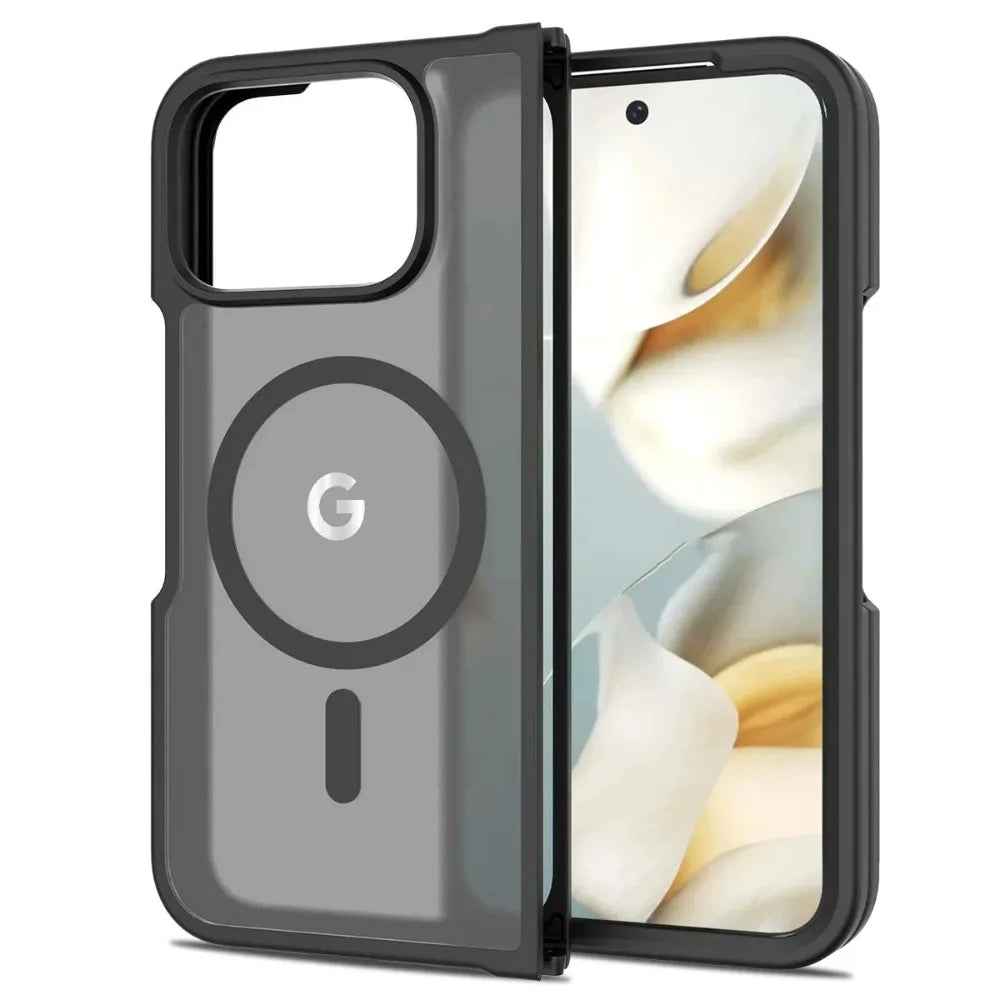
The Pixel 10 supports Qi2-certified wireless charging at 15W with built-in Pixelsnap magnets for automatic alignment — snap your phone to the charger and it's perfectly positioned every time. The Pixel 10a supports standard Qi wireless charging without built-in magnets. You can add magnetic alignment to the 10a with a MagSafe-compatible case, but the 10 has it natively. If you're building a wireless charging ecosystem, the Pixel 10's magnetic compatibility is a genuine convenience advantage.
5. Premium Build Quality
The Pixel 10 uses satin-finish aerospace-grade aluminium with Gorilla Glass Victus 2 on front and back. The 10a uses aluminium with a matte composite back. The 10 feels noticeably more premium in hand — denser, smoother, with a quality of materials that's apparent the moment you pick it up. It also weighs 21 grams more (204g vs 183g), which some prefer as a sign of solidity and others find heavier than necessary.
Where the Pixel 10a Actually Wins
The Pixel 10a vs Pixel 10 comparison isn't one-sided. There are areas where the budget phone genuinely outperforms the flagship.
| Battery capacity | 5,100mAh vs 4,970mAh. Both rated for 30+ hours, but the 10a's larger cell provides a slight real-world endurance edge, especially under heavy use. |
| Weight | 183g vs 204g. The 10a is 21 grams lighter — a noticeable difference for extended one-handed use, pocket comfort, and all-day carry. |
| Front camera | 13MP with 96.1° ultrawide vs the Pixel 10's 10.5MP at 95°. The 10a captures slightly higher-resolution selfies with a marginally wider field of view. |
| Price | $499 vs $799. The 10a delivers roughly 85% of the Pixel 10 experience at 63% of the cost. That $300 saved could fund cases, screen protectors, chargers, and Pixel Buds. |
| Software longevity | The 10a gets updates through 2033 — one year longer than the Pixel 10's 2032 end date, since it launched later. |
Camera Comparison: How Different Are They Really?
The Pixel 10a vs Pixel 10 camera comparison breaks into three zones — and the story is different in each one.
Main Camera (48MP wide)
Both phones use a 48MP main sensor with f/1.7 aperture and OIS. The Pixel 10 benefits from the G5's improved Image Signal Processor (ISP), which delivers slightly better Real Tone skin rendering, improved motion deblur, and 10-bit video by default. In controlled side-by-side comparisons, the differences are visible — better shadow detail, more consistent exposure. In casual shooting, most users won't notice. Verdict: close, slight edge to Pixel 10.
Ultrawide (13MP)
Identical hardware on both phones: 13MP with 120° field of view. Processing differs slightly due to the ISP gap, but results are nearly indistinguishable. Verdict: effectively equal.
Telephoto and Zoom
This is where the gap is insurmountable. The Pixel 10's 10.8MP 5× telephoto lens with Super Res Zoom to 20× captures clean, detailed images at distances the 10a simply can't reach. The 10a maxes out at 8× digital zoom, which produces usable but noticeably softer results. For anyone who regularly shoots beyond arm's length — events, travel, wildlife, architecture — the telephoto alone is worth considering. For social media, food photography, and portraits, the 10a's dual setup is more than sufficient.
Battery Life and Charging
Both phones are rated for over 30 hours of battery life — Google's most consistent endurance claim across the Pixel 10 lineup. The 10a's larger 5,100mAh cell vs the 10's 4,970mAh gives it a marginal capacity advantage, but the G5's 3nm efficiency in the Pixel 10 partially offsets that. In real-world use, expect similar all-day performance from both.
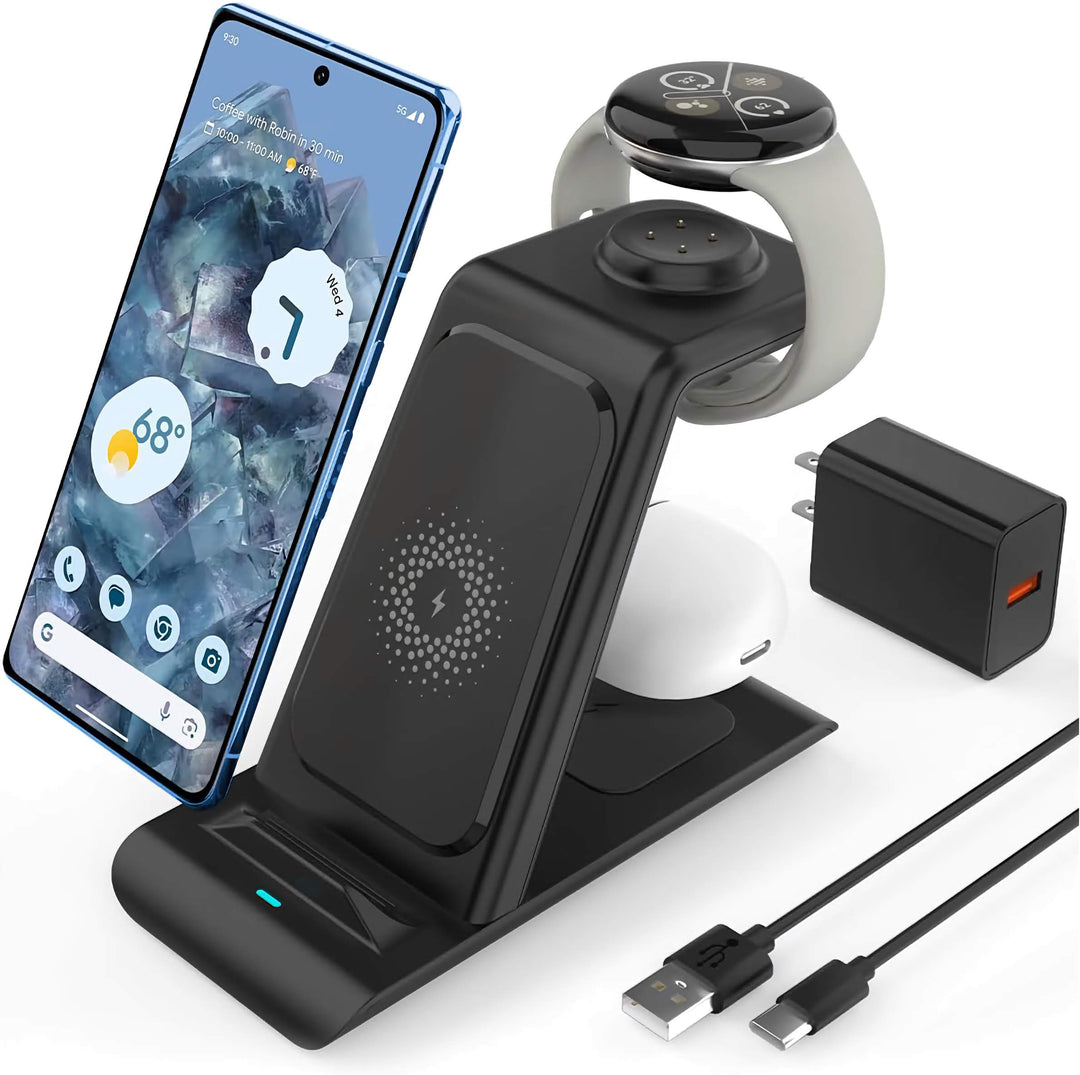
Wired charging is identical at 30W — reaching approximately 50% in 30 minutes with a compatible USB-C PPS charger. The divergence is in wireless charging: the Pixel 10 supports 15W Qi2 with Pixelsnap magnetic alignment, while the 10a supports standard Qi wireless charging without built-in magnets. For nightstand or desk charging, the Pixel 10's magnetic snap is a small but daily convenience. The 10a can achieve similar alignment with a MagSafe-compatible case.
Browse Pixel 10a charging accessories →
Do Pixel 10 Cases Fit the Pixel 10a?
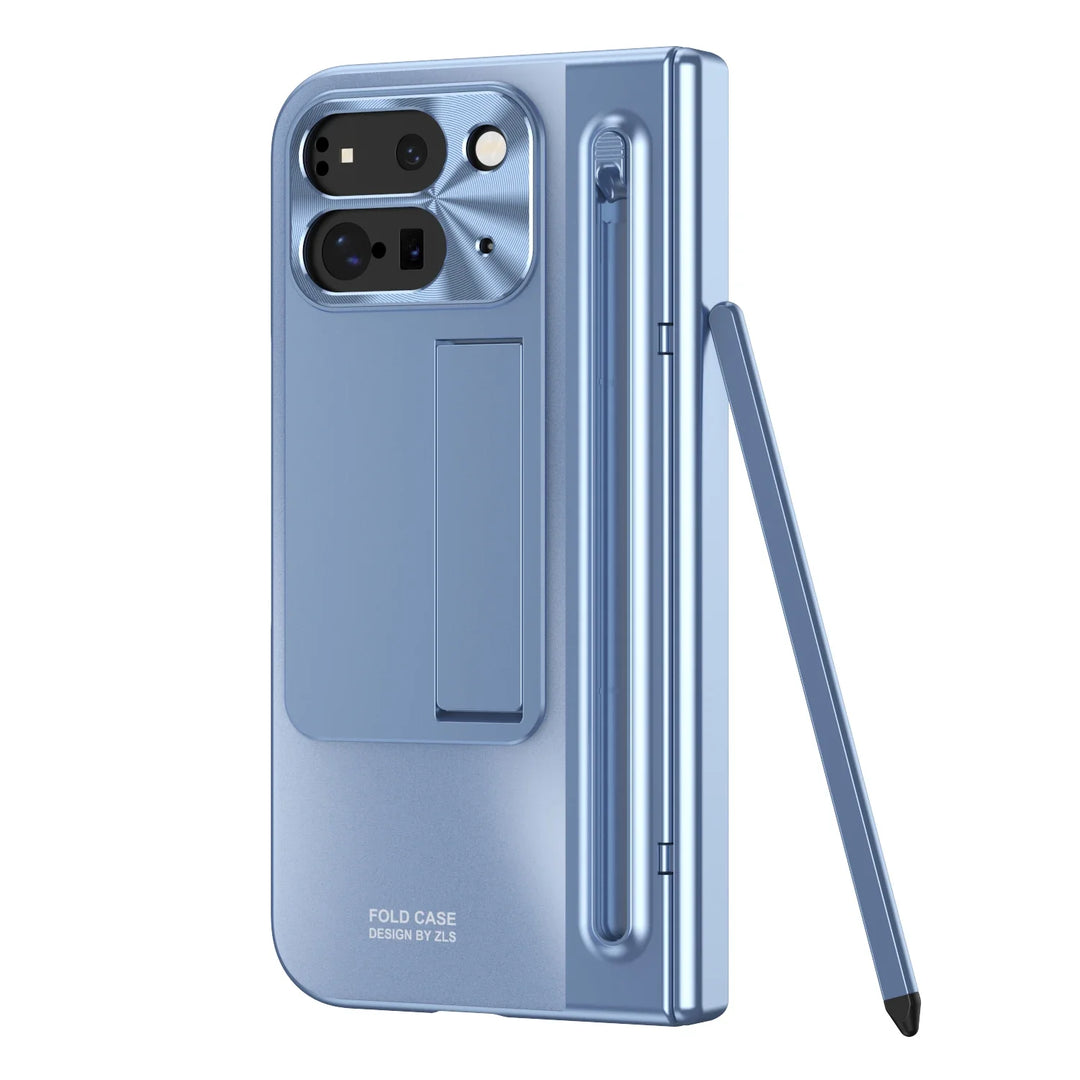
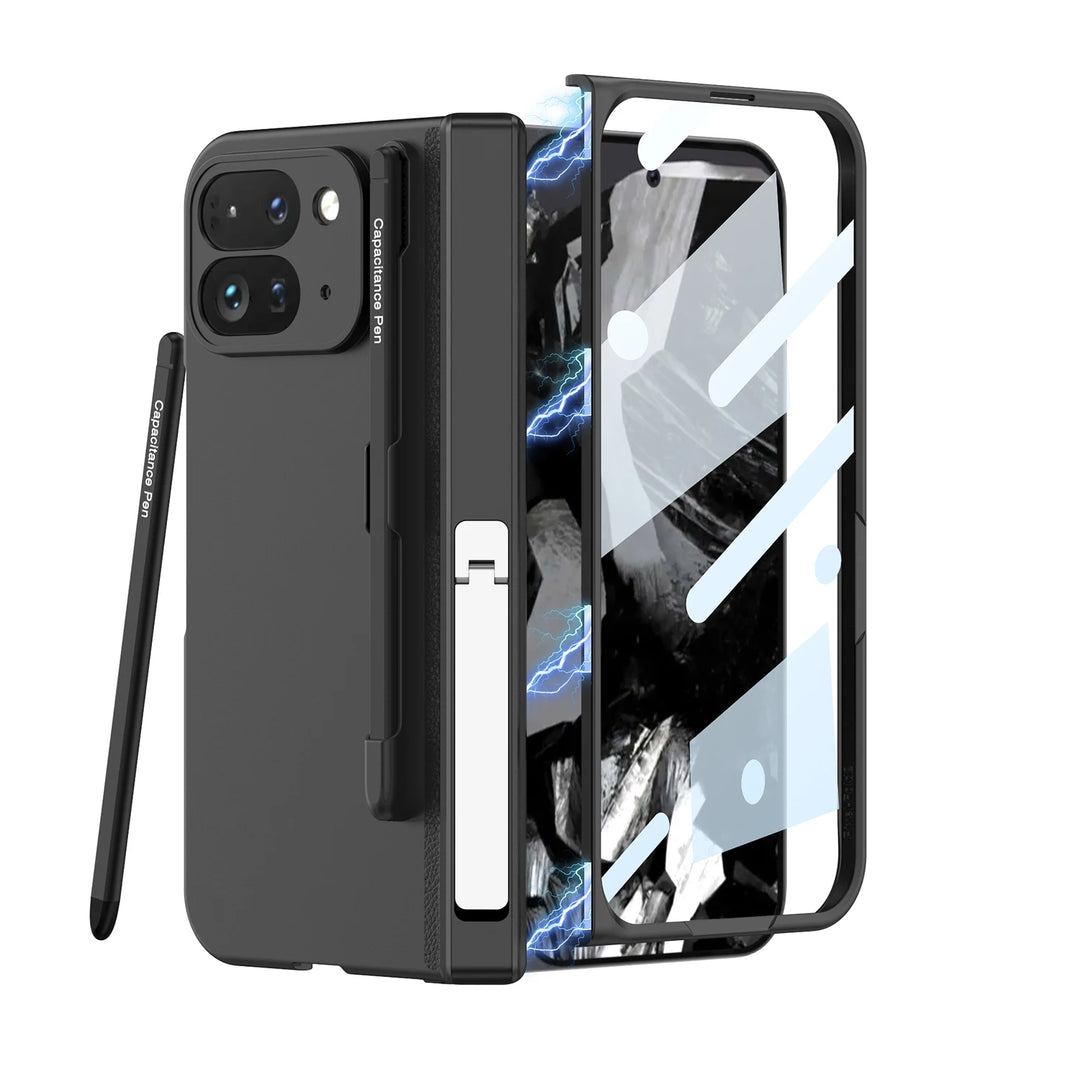
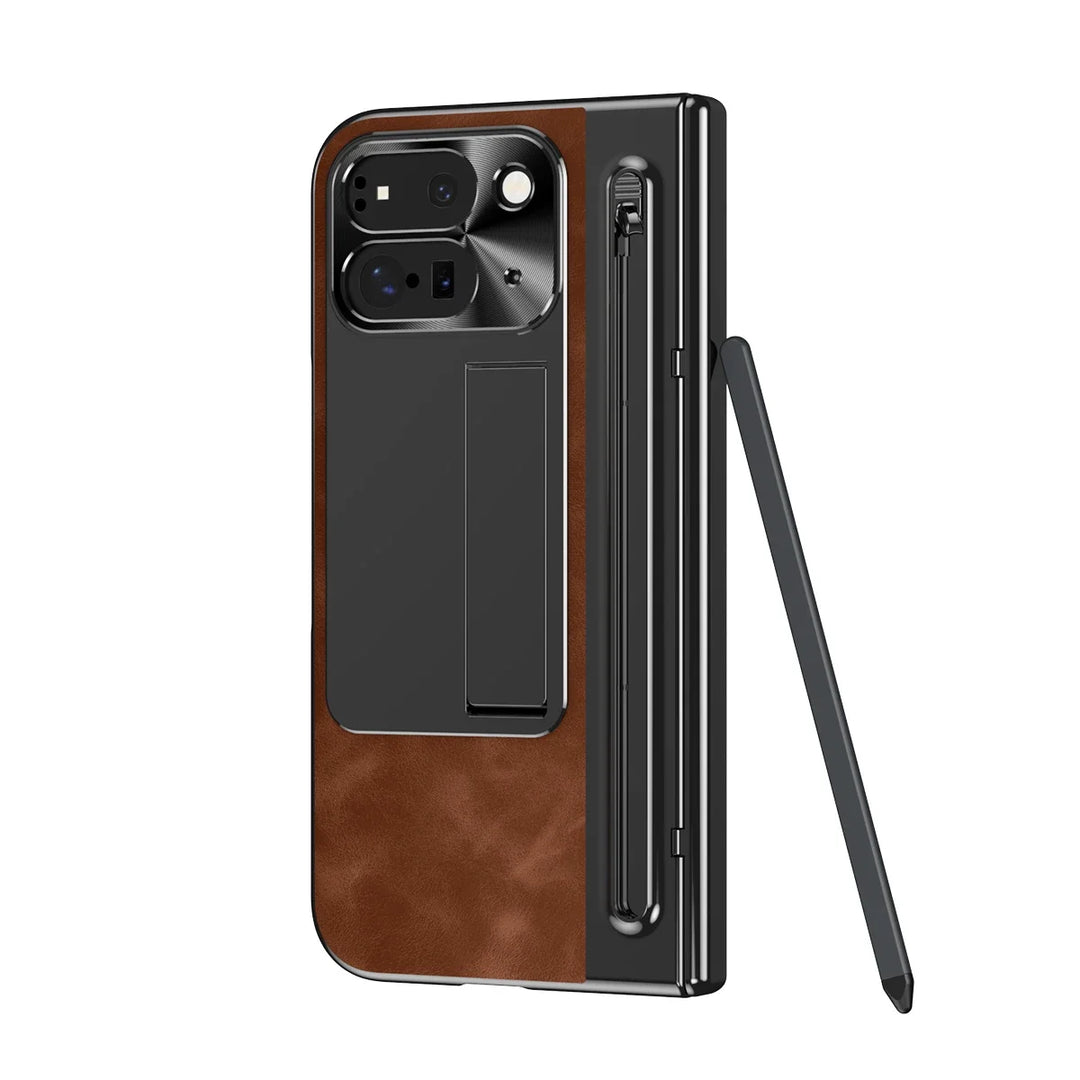
No — cases are not interchangeable between the Pixel 10 and Pixel 10a. Despite the similar screen size, these are fundamentally different devices. The Pixel 10 measures 152.8 × 72.0 × 8.6mm at 204g; the 10a measures 153.9 × 73.0 × 9.0mm at 183g. The 10a is taller, wider, thicker, and lighter. Camera module layouts are entirely different — the 10 has a triple-camera bar with telephoto; the 10a has a flush dual-camera module. Button positions, speaker grills, and port locations differ.
Using a Pixel 10 case on a Pixel 10a (or vice versa) will result in misaligned camera cutouts, blocked buttons, exposed edges, and zero drop protection where it matters. At The Pixel Case, every case is engineered from the exact CAD dimensions of each specific model — camera bar geometry, lip heights, and button positions are all model-specific. With over 50,000 Pixel users protected, we know the details that generic cases miss.
Pixel 10a clear & slim cases →
Who Should Buy the Pixel 10a vs the Pixel 10
The Pixel 10a vs Pixel 10 decision comes down to which trade-offs matter to you. Here's the clearest way to decide.
Buy the Pixel 10a ($499) If:
You want the best camera-per-dollar in any smartphone. You don't need telephoto zoom. You prioritise battery life and lightweight carry. You want seven years of updates and clean Android at half the flagship price. You plan to keep the phone for 2-3+ years. You're new to Pixel and want the best entry point. The $300 you save is better spent on accessories, a Pixel Watch, or Pixel Buds to build out your ecosystem.
Buy the Pixel 10 ($799) If:
You photograph at distance and need telephoto zoom. You want the latest AI features (Magic Cue, Voice Translate). You value premium build materials and want the phone to feel flagship. You want Qi2 wireless charging with magnetic alignment out of the box. You need the brightest possible outdoor display (3,000 nits). You care about having the newest processor for future-proofing.
The Honest Assessment:
For 80% of smartphone users, the Pixel 10a is the smarter buy. The camera is exceptional, the software is identical where it counts, the battery is excellent, and the update timeline is the longest in the lineup. The Pixel 10 is genuinely better — but the question is whether those specific improvements (telephoto, G5 AI, brighter screen, premium build) are worth $300 to you.
Frequently Asked Questions
Is the Pixel 10a as good as the Pixel 10?
For everyday use — messaging, browsing, social media, and photography at close to medium range — the 10a delivers roughly 85% of the Pixel 10 experience at 63% of the cost. The Pixel 10 is definitively better for zoom photography, premium build feel, display brightness, and cutting-edge AI features.
What are the main differences between Pixel 10 and Pixel 10a?
The five biggest differences: (1) Pixel 10 has a telephoto camera with 5× optical zoom; (2) Tensor G5 vs G4 processor with exclusive AI features; (3) 3,000-nit display vs ~improved brightness; (4) Qi2 Pixelsnap wireless charging with magnets; (5) premium glass-and-aluminium build vs composite back.
Do Pixel 10 cases fit the Pixel 10a?
No. The phones have different dimensions, camera layouts, button placements, and thicknesses. Cases are not interchangeable. Using a mismatched case compromises camera protection, button functionality, and drop safety.
Is the Pixel 10 worth $300 more than the Pixel 10a?
It depends on your priorities. If you need telephoto zoom, want the latest AI features, or value premium materials, the Pixel 10 justifies the premium. If you primarily shoot at close-medium range and prioritise value, the 10a delivers exceptional quality at $499.
Which has better battery life — Pixel 10a or Pixel 10?
Both are rated for 30+ hours. The Pixel 10a has a slightly larger 5,100mAh battery; the Pixel 10's 4,970mAh is offset by the more efficient Tensor G5. Real-world endurance is comparable. Wired charging speed is identical at 30W.
Which is better for photography?
The Pixel 10 is better overall thanks to the 5× telephoto lens, improved ISP processing, and Pro Res Zoom. The Pixel 10a is still excellent for main and ultrawide photography — Google's computational photography makes both phones produce exceptional results in most scenarios. The gap is primarily in zoom range.
Final Verdict
The Pixel 10 is the better phone. The Pixel 10a is the better value. Which one matters more is entirely personal.
The Pixel 10a vs Pixel 10 decision is one of the clearest in Google's lineup. The Pixel 10 wins on telephoto photography, AI capabilities, display brightness, wireless charging convenience, and build quality. The Pixel 10a wins on price, battery capacity, weight, selfie camera resolution, and update longevity. Both share the same core Pixel experience: clean Android 16, exceptional main camera quality, seven years of updates, and Google's full AI suite.
If you know you need zoom — buy the Pixel 10. If you're not sure — buy the Pixel 10a and invest the $300 you saved into a quality case, screen protector, and charging setup. Either way, protect your investment with a case engineered specifically for your model.
Shop Pixel 10a cases & accessories →
Shop Pixel 10 cases & accessories →