Google Pixel 10a vs Pixel 9a — What’s New & Worth Upgrading (2026 Comparison)
The Google Pixel 10a is officially here pre-orders opened today, February 18, 2026, with retail availability starting March 5. And the question every Pixel owner is asking is the same one that surfaces every year: is this upgrade worth it?
The Pixel 10a vs Pixel 9a comparison is particularly important because, on paper, these two phones share more DNA than any consecutive a-series models in Pixel history. Same Tensor G4 chip. Same 48MP camera hardware. Same 5,100mAh battery. Same $499 price. So what actually changed — and does it matter enough to upgrade, or should you stick with your Pixel 9a and save the money?

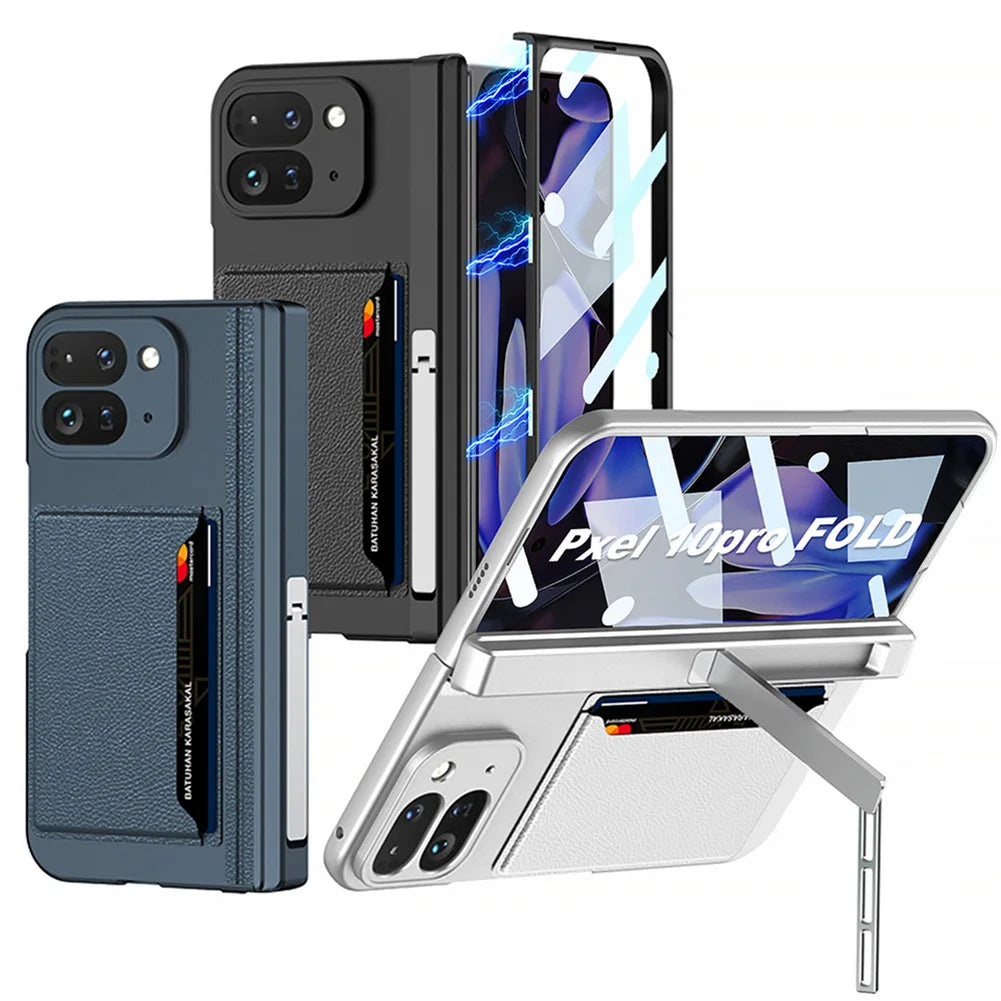
This guide breaks down every confirmed difference between the two phones: design, display, performance, cameras, battery, charging, software features, and accessory compatibility. At The Pixel Case, the world's first store dedicated exclusively to Google Pixel accessories — we've tested both devices and designed model-specific cases for each, so we're covering the one question that always gets overlooked: will your Pixel 9a case fit the Pixel 10a? (Spoiler: it won't.)
Shop Pixel 10a cases (perfect fit, ready now) →
Pixel 10a vs Pixel 9a: Full Spec Comparison
Before we dive into what each difference means in real-world use, here's the complete side-by-side with officially confirmed specifications. Changes from the Pixel 9a are highlighted.
| Specification | Pixel 9a | Pixel 10a |
|---|---|---|
| Price (US) | $499 | $499 |
| Processor | Tensor G4 (4nm) | Tensor G4 (4nm) |
| RAM | 8GB LPDDR5X | 8GB LPDDR5X |
| Storage | 128GB / 256GB (UFS 3.1) | 128GB / 256GB (UFS 3.1) |
| Display | 6.3" P-OLED, 120Hz, 2424×1080 | 6.3" P-OLED, 120Hz, 2424×1080 (11% brighter) |
| Display Glass | Gorilla Glass 3 | Gorilla Glass 7i |
| Rear Cameras | 48MP wide (f/1.7, OIS) + 13MP UW | 48MP wide (f/1.7, OIS) + 13MP UW |
| Front Camera | 13MP (f/2.2, 96.1° UW) | 13MP (f/2.2, 96.1° UW) |
| Battery | 5,100mAh (24+ hours) | 5,100mAh (30+ hours) |
| Wired Charging | 23W | 30W (50% in ~30 min with 45W charger) |
| Wireless Charging | 7.5W Qi | Qi-certified wireless charging |
| Bluetooth | 5.4 | 6.0 |
| Satellite SOS | No | Yes |
| Software | Android 15 (upgraded to 16) | Android 16 + Material 3 Expressive |
| New AI Features | Magic Editor, Circle to Search, Night Sight | All 9a features + Camera Coach, Auto Best Take, AirDrop↔Quick Share |
| Dimensions | 154.7 × 73.3 × 8.9mm, 186g | 153.9 × 73.0 × 9.0mm, 183g |
| Water Resistance | IP68 | IP68 |
| Colours | Obsidian, Porcelain, Iris, Peony | Obsidian, Fog, Lavender, Berry |
| Updates | 7 years (through 2032) | 7 years (through 2033) |
The 7 Real Differences Between Pixel 10a and Pixel 9a
Looking at the Pixel 10a vs Pixel 9a spec sheet, the shared DNA is obvious. But the differences — while not headline-grabbing individually — add up to a meaningfully better daily experience. Here's what actually changed and why each one matters.
1. Gorilla Glass 7i Replaces Gorilla Glass 3
This is the single biggest hardware upgrade in the Pixel 10a vs Pixel 9a comparison, and it's overdue. Gorilla Glass 3 had been used on every a-series Pixel since the Pixel 4a — a five-year run. Gorilla Glass 7i, introduced by Corning in 2024, offers substantially better drop resistance and scratch protection. In practical terms, the Pixel 10a's screen is significantly more likely to survive everyday drops and resist the micro-scratches that accumulate from keys, coins, and pocket sand. This matters more than most spec-sheet items because it directly affects how the phone holds up over the two to three years most people keep it.
2. Faster Wired Charging: 30W vs 23W
The Pixel 10a charges at up to 30W — reaching 50% in approximately 30 minutes with a 45W USB-C PPS charger. The Pixel 9a's 23W charging was functional but noticeably slow by 2025 standards. This isn't a massive leap, but it's a meaningful quality-of-life improvement for anyone who tops up during lunch or before heading out. The jump from 23W to 30W cuts real-world full-charge time by roughly 20-25 minutes.
3. Brighter Display (+11%)
Google confirmed the Pixel 10a's display is 11% brighter than the Pixel 9a. The panel itself is the same resolution and refresh rate (6.3-inch P-OLED, 2424×1080, 60-120Hz), but the brightness bump improves outdoor visibility — particularly in direct sunlight. If you've ever struggled to read your Pixel 9a's screen at the beach or on a sunny commute, the 10a addresses that specific pain point.
4. Battery Endurance: 30+ Hours vs 24+ Hours
Same 5,100mAh cell, but Google now rates the Pixel 10a for over 30 hours of battery life — a significant improvement over the Pixel 9a's 24+ hour claim. This likely comes from software optimisation and efficiency improvements in Android 16 rather than hardware changes. In real-world use, expect the 10a to comfortably last a full heavy day with screen-on time pushing past 7 hours, compared to the 9a's 6-hour comfort zone. Up to 120 hours is claimed with Extreme Battery Saver.
5. Satellite Emergency SOS
The Pixel 10a is the first a-series Pixel to include satellite emergency calling — the ability to contact emergency services via satellite when you're outside cellular coverage. This feature was previously exclusive to flagships. For hikers, travellers, or anyone in rural areas, it's a genuine safety addition that the Pixel 9a simply doesn't have.
6. New AI Features: Camera Coach, Auto Best Take, AirDrop↔Quick Share
While the camera hardware is identical, the Pixel 10a gets new AI features inherited from the Pixel 10 series. Camera Coach uses Gemini to analyse scenes and offer real-time shooting suggestions. Auto Best Take automatically selects the best frame from group photos. And AirDrop-to-Quick-Share support enables seamless file sharing between Pixel and Apple devices — a feature the Pixel 9a missed at launch. These software additions make the Pixel 10a vs Pixel 9a camera gap wider than the identical hardware would suggest.
7. Bluetooth 6.0 and Flush Camera Design
Bluetooth 6.0 replaces 5.4, bringing improved range, lower latency, and better multi-device connectivity — noticeable if you use Pixel Buds and a Pixel Watch simultaneously. The camera module now sits completely flush with the back panel (the Pixel 9a had a slight protrusion), which improves how the phone sits flat on surfaces and reduces wobble. The phone is also 3 grams lighter and slightly more compact.
Performance: Same Chip, Same Speed?
The biggest criticism of the Pixel 10a vs Pixel 9a comparison is the shared Tensor G4 processor. Google chose not to use the Tensor G5 found in the Pixel 10 series — a break from the a-series tradition of using the previous year's flagship chip. This means raw performance is essentially identical between the two phones: same CPU cores (Cortex-X4 at 3.1GHz), same GPU (Mali-G715), same 8GB RAM, same UFS 3.1 storage.
Where the Pixel 10a gains ground is in software optimisation. Android 16 with Material 3 Expressive is better optimised for the G4 than Android 15 was at the Pixel 9a's launch. The new AI features (Camera Coach, Auto Best Take) also run on-device through the same Tensor G4 NPU — proving that the chip still has headroom for new capabilities. For everyday tasks — messaging, browsing, social media, photography, light gaming — the two phones feel identical in speed. Power users who want the latest AI features or faster UFS 4.0 storage need to look at the Pixel 10.
Camera: Same Hardware, Smarter Software
The camera hardware is unchanged: 48MP main sensor with f/1.7 aperture and OIS, 13MP ultrawide with 120° field of view, 13MP front-facing with 96.1° ultrawide. Super Res Zoom maxes out at 8x on both phones. Video tops out at 4K 30fps on both.
The real difference is in computational photography. The Pixel 10a inherits Camera Coach — an AI assistant that analyses your scene in real-time and suggests improvements to framing, lighting, and composition. Auto Best Take automatically captures and selects the best moment from burst sequences, ensuring group photos have everyone looking their best. These features run entirely on-device via the Tensor G4's machine learning hardware.
In our assessment, the Pixel 10a vs Pixel 9a camera gap is narrow but real. The same sensor and lens produce identical results in controlled conditions, but the AI-assisted shooting features help less experienced photographers get consistently better results. If you're already a competent Pixel photographer who knows how to use Night Sight, Magic Editor, and manual framing, the 9a's camera is still excellent. If you want an AI assistant helping you shoot better photos without thinking about it, the 10a's Camera Coach adds genuine value.
Design: Subtle but Functional Changes
The Pixel 10a maintains Google's clean, flat-sided aesthetic from the 9a. But three physical changes affect daily use. First, the camera module is now completely flush — no bump, no wobble on flat surfaces. Second, the phone is 3 grams lighter (183g vs 186g) and slightly more compact (153.9 × 73.0 × 9.0mm vs 154.7 × 73.3 × 8.9mm). Third, the glass camera lens cover now sits behind the rear panel surface rather than protruding above it.
Colour options are entirely new: Obsidian, Fog, Lavender, and Berry replace the 9a's Obsidian, Porcelain, Iris, and Peony. Berry — a red-pink tone — is the standout new option. The matte back finish carries over, resisting fingerprints and maintaining its look over time. Build materials remain consistent: aluminium frame, matte composite back, IP68 water and dust resistance.
These are small changes — but they're exactly the kind of refinements that affect how a phone feels in hand and on a desk every single day. They also mean one critical thing for accessories: Pixel 9a cases will not fit the Pixel 10a.
Will Pixel 9a Cases Fit the Pixel 10a?
No. Despite the similar appearance, the dimension changes between the two phones make cases non-interchangeable. The Pixel 10a is 0.8mm shorter, 0.3mm narrower, and 0.1mm thicker than the Pixel 9a. The camera module geometry is different — flush vs slightly raised. Button placement has shifted. These may sound like tiny numbers, but in case engineering, sub-millimetre changes cause misaligned camera cutouts, stiff or blocked buttons, exposed edges, and compromised drop protection.
At The Pixel Case, every case is designed from CAD models of the exact device — camera bar dimensions, button positions, port locations, and edge curvature are all model-specific. A Pixel 9a case on a Pixel 10a won't protect the camera properly, won't press the buttons cleanly, and won't provide reliable drop protection. Always use a case engineered for your specific model.
Shop Pixel 10a cases (model-specific fit) →
Pixel 10a clear & slim cases →
Should You Upgrade From Pixel 9a to Pixel 10a?
This is the central question in every Pixel 10a vs Pixel 9a discussion, and the honest answer depends on your situation.
Keep Your Pixel 9a If:
You're happy with current performance and camera quality. Your battery still lasts a full day. You already own cases and accessories. You don't need satellite SOS or Camera Coach. The Pixel 9a is still an excellent phone in 2026 — the 10a doesn't make it obsolete.
Upgrade to Pixel 10a If:
Your Pixel 9a's screen has accumulated scratches (the GG7i upgrade is major). You want faster charging and longer battery life. You value satellite emergency calling. You want the latest AI camera features. You're due for a fresh device and want one more year of guaranteed updates (through 2033 vs 2032). Or — and this is the strongest case for upgrading — you're coming from a Pixel 8a or older, in which case the 10a is a substantial step up in every category.
The Smart Money Move:
If you're on a Pixel 9a and it's working well, save your money. If you're on a Pixel 8a, 7a, or older — or if you're new to Pixel — buy the 10a. The upgrade from 9a to 10a is real but incremental. The upgrade from 8a or older to 10a is transformative.
Accessories: What You Need for Each Phone
Whether you keep your Pixel 9a or upgrade to the 10a, one thing doesn't change: a glass-backed phone with an exposed camera module needs protection from day one. At The Pixel Case — trusted by over 50,000 Pixel owners — every accessory is model-specific and engineered from CAD data for perfect fit.
| Keeping Pixel 9a | Your current accessories still work perfectly. If you need a replacement case or screen protector, browse the Pixel 9a case collection. |
| Upgrading to Pixel 10a | You need new, model-specific accessories. Browse Pixel 10a cases and Pixel 10a accessories — all designed for the 10a's exact dimensions and ready to ship. |
Frequently Asked Questions
What's the difference between Pixel 9a and Pixel 10a?
The Pixel 10a improves on the 9a with Gorilla Glass 7i (vs GG3), faster 30W wired charging (vs 23W), an 11% brighter display, 30+ hour battery life (vs 24+), Bluetooth 6.0, satellite emergency SOS, new AI features (Camera Coach, Auto Best Take), and Android 16 out of the box. The processor, cameras, RAM, and storage remain the same.
Are Pixel 9a cases compatible with Pixel 10a?
No. The Pixel 10a has different dimensions (shorter, narrower, slightly thicker), a flush camera module vs the 9a's slight protrusion, and repositioned buttons. Pixel 9a cases will misalign, leave the camera exposed, and compromise drop protection. Always use model-specific cases.
Is Pixel 10a worth upgrading from Pixel 9a?
For most Pixel 9a owners, no — the upgrades are real but incremental. If your 9a screen is scratched (GG7i is a major durability upgrade), you need satellite SOS, or you want faster charging, the 10a justifies the switch. For Pixel 8a or older users, the upgrade is strongly recommended.
Does the Pixel 10a have a better camera than the Pixel 9a?
Same camera hardware, but the Pixel 10a adds Camera Coach (AI-assisted shooting suggestions) and Auto Best Take (automatic best-frame selection for groups). These software features make the 10a produce better results more consistently, especially for less experienced photographers.
Does the Pixel 10a use the same chip as the Pixel 9a?
Yes — both use the Google Tensor G4 processor with 8GB LPDDR5X RAM. The Pixel 10a does not use the newer Tensor G5 found in the Pixel 10 series. Performance is effectively identical between the two phones for daily tasks.
Will Pixel 10a accessories be ready at launch?
Yes. The Pixel Case prepares model-specific cases, screen protectors, and accessories using CAD data ahead of each launch. Pixel 10a cases are available for pre-order now with shipment timed to the March 5 retail launch.
Final Verdict
The Pixel 10a isn't a revolution over the 9a — it's a refinement of an already excellent formula. The right upgrade depends entirely on what you're coming from.
The Pixel 10a vs Pixel 9a comparison tells a clear story: Google played it safe with the chip and cameras but delivered meaningful improvements in durability (Gorilla Glass 7i), charging speed (30W), battery endurance (30+ hours), display brightness, and software features (Camera Coach, satellite SOS, AirDrop↔Quick Share). At the same $499 price, the Pixel 10a is objectively the better buy for anyone purchasing new today.
For current Pixel 9a owners, the upgrade is optional, your phone is still excellent. For Pixel 8a owners or older, or anyone new to Pixel, the 10a is a compelling entry point with seven years of updates and one of the best smartphone cameras available at any price. And whichever model you choose, protect it with a case engineered specifically for your device — not a generic fit, not a hand-me-down from the previous model.
Browse all Pixel 10a accessories →