Google Pixel 11 vs Samsung Galaxy S26: Full Comparison (Specs, Price, Camera & More)
One Phone Is Already in Millions of Pockets. The Other Launches in Weeks.
Pixel 11 (Pro / Pro XL)
Launches Aug 12 · ~$899–$1,299 (leaked)
SAMSUNG
Galaxy S26 (Ultra)
Shipping since Mar 11 · $799–$1,299.99 (confirmed)
This is an unusual comparison to write, and it's worth being honest about why upfront. The Galaxy S26 lineup isn't a rumour — Samsung announced it on February 25, 2026, shipped it on March 11, and by now it's been tested, benchmarked, and lived with by reviewers at GSMArena, PhoneArena, Digital Camera World, and NotebookCheck for months. The Pixel 11 hasn't shipped yet. Google's Made by Google event is confirmed for August 12, with retail availability expected August 20. Everything we know about it comes from leaks, however credible.

So this article isn't pretending to compare two phones on equal footing. It's comparing a known quantity — a Galaxy S26 Ultra that real reviewers have actually dropped, benchmarked, and shot thousands of photos with — against a Pixel 11 built from the most detailed pre-launch leak cycle in Google's history: an accidental Amazon pricing leak, a comprehensive Mystic Leaks spec dump, and OnLeaks CAD renders. We'll tell you exactly which claims are confirmed and which are still leaks, the whole way through.
We're The Pixel Case — the only accessories store built exclusively for Google Pixel, tracking every Pixel launch cycle since the Pixel 6. If you're weighing whether to jump ship from Android's other major player to the Pixel 11, or whether Samsung's already-shipping S26 is the safer bet right now, this is the most detailed version of that argument you'll find anywhere.
✅
Confirmed / Tested
🔶
Credible Leak
💬
Rumour
❓
Speculation
Section 1 of 10
The Timing Story — Why This Comparison Even Exists
Samsung and Google run on almost opposite release calendars, and that gap is exactly what makes this comparison interesting right now. Samsung front-loads its year — Unpacked in late February, phones shipping by mid-March, giving buyers seven or eight months of real-world use before any Pixel competitor even exists. Google back-loads its year — a Pixel launch in August means anyone comparing the two in July is, by definition, comparing a phone with months of reviews behind it to one that exists only in leaks.
That's not a flaw in either strategy. It's a genuine trade-off for buyers: buy the S26 now and you know exactly what you're getting, backed by half a year of real usage reports. Wait for the Pixel 11 and you're betting on leaks holding up — a bet that's been remarkably accurate this cycle, given how much of the Amazon pricing leak and Mystic Leaks dump has already been independently corroborated by multiple outlets.
Section 2 of 10
Price — Both Companies Went Up $100
This is the one place both phones tell the exact same story, and it's worth pausing on. Samsung's price increases on the S26 lineup were rumoured for months and, per PhoneArena, "have come to fruition" — every S26 model launched $100 above its S25 equivalent. Leaked Pixel 11 pricing shows an identical pattern: a flat $100 increase across nearly every model and storage tier.
| Tier | Galaxy S26 (confirmed) | Pixel 11 (leaked) |
|---|---|---|
| Base model, 256GB | $799.99 ✅ | ~$899 🔶 |
| Plus / Pro tier, 256GB | $1,099.99 ✅ | ~$1,099 🔶 |
| Ultra / Pro XL, 256GB | $1,299.99 ✅ | ~$1,299 🔶 |
If the leaks hold, the two companies will have landed on almost identical pricing across every tier — a genuinely unusual level of convergence, and it means this year's decision really does come down to what each phone actually does with that money, not which one costs less.
Both companies also share the same industry-wide justification: rising memory and component costs. It's worth noting Samsung's base S26 dropped its 128GB storage tier entirely, moving to 256GB minimum — and leaks suggest the Pixel 11 is doing the exact same thing, which somewhat offsets the price jump with genuinely more storage per dollar.
Section 3 of 10
Display — Samsung's Privacy Trick vs Google's Brightness Chase
| Spec | Galaxy S26 Ultra | Pixel 11 Pro XL |
|---|---|---|
| Size | 6.9" Dynamic AMOLED ✅ | 6.8" OLED 🔶 |
| Resolution | 1440×3120 ✅ | 1344×2992 🔶 |
| Peak brightness | 2,783 nits (tested) ✅ | 2,450 nits 🔶 |
| Standout feature | Privacy Display (angle-blocking) ✅ | Pixel Glow (RGB LED bar) 🔶 |
Independent brightness testing from NotebookCheck confirms the S26 Ultra genuinely hits 2,783 nits — brighter than the Pixel 11 Pro XL's leaked 2,450-nit figure, though brightness differences at this level are hard to perceive in most real-world lighting. Samsung's headline display feature this generation is the new Privacy Display, which reduces off-angle visibility to keep your screen private in crowded places like trains or coffee shops — genuinely novel, though NotebookCheck's testing found it "comes at the expense of screen brightness and color stability" when active, making it more of a situational tool than a permanent mode.
Google's answer is entirely different in character: Pixel Glow isn't a display feature at all — it's an RGB LED array built into the camera bar, replacing the old temperature sensor, for colour-coded notifications and status indicators. Samsung is solving a privacy problem; Google is solving a notification-visibility problem. Neither directly competes with the other, which says something about how differently these two companies are thinking about what a flagship needs in 2026.
Section 4 of 10
Chip — 3nm Snapdragon (Proven) vs 2nm Tensor (Unproven)
This is the sharpest technical contrast in the entire comparison. Samsung's S26 Ultra runs the Snapdragon 8 Elite Gen 5 for Galaxy, built on a mature 3nm process, and reviewers have already measured it extensively. NotebookCheck's power-consumption benchmarks and Digital Camera World's thermal testing both confirm real gains over the S25 Ultra — a redesigned vapour chamber delivering a claimed 21% thermal improvement, sustained 60fps in stress tests running Genshin Impact at max settings for 30 minutes straight.
The Pixel 11's Tensor G6 is a genuinely bigger technical swing: the first smartphone chip built on TSMC's 2nm (N2) process, one full node ahead of the S26 Ultra's 3nm silicon. On paper, that should mean meaningfully better power efficiency per compute cycle. In practice, nobody outside Google has benchmarked it yet, and Google's Tensor chips have historically prioritised AI and camera processing over raw synthetic benchmark scores — the Tensor G6's 7-core CPU configuration (rather than the industry-standard 8) is itself evidence of that same philosophy continuing.
| Spec | Galaxy S26 Ultra | Pixel 11 Pro XL |
|---|---|---|
| Chip | Snapdragon 8 Elite Gen 5 ✅ | Tensor G6 "Malibu" 🔶 |
| Process node | 3nm ✅ | 2nm (first ever) 🔶 |
| CPU cores | 2× 4.74GHz + 6× 3.62GHz ✅ | 1× 4.11GHz + 6× C1-Pro 🔶 |
| Geekbench 6 single-core | 3,850 (tested) ✅ | Unverified ❓ |
| RAM (top tier) | 16GB (1TB model) ✅ | 16GB 🔶 |
Section 5 of 10
Cameras — Samsung's Honest Admission vs Google's Full Refresh
Here's where the two companies' strategies diverge most sharply, and where Samsung's own reviewers have been unusually candid. PhoneArena's verdict on the S26 Ultra is blunt: "there is no meaningful improvement in battery size or cameras" this generation — the headline camera change is an aperture upgrade on the 200MP main sensor (f/1.4, down from f/1.7, letting in more light), but Digital Camera World's testing found a real trade-off buried in the spec sheet: the 3x "bridge" camera got a smaller sensor, and both the main and 5x telephoto cameras lost close-focus macro capability compared to the S25 Ultra.
The Pixel 11 series takes the opposite approach on paper — Mystic Leaks and multiple corroborating outlets point to genuinely new sensors across the board: a 50MP main sensor codenamed "chemosh" on the standard model, distinct "bastet" (main) and "barghest" (telephoto) sensors on the Pro tier, and reports specifically calling this "the first full camera overhaul on any Pixel foldable" for the Pro Fold. If that holds, it's a meaningfully bigger camera generation than what Samsung just shipped — though it's worth remembering none of it has been independently tested yet, while the S26 Ultra's camera performance is already documented in dozens of published reviews.
| Camera | Galaxy S26 Ultra | Pixel 11 Pro XL |
|---|---|---|
| Main | 200MP, f/1.4 ✅ | 50MP "bastet" (new) 🔶 |
| Ultrawide | 50MP, f/1.9, 120° ✅ | 50MP (new) 🔶 |
| Telephoto | 10MP bridge + 50MP periscope ✅ | 48MP "barghest" periscope 🔶 |
| Selfie | 12MP, f/2.2 ✅ | Unconfirmed ❓ |
Section 6 of 10
Battery & Charging — Samsung Held Flat, Google's Might Shrink
Samsung's decision here is genuinely notable: the S26 Ultra keeps the exact same 5,000 mAh battery as the S25 Ultra, leaning entirely on the 3nm chip's efficiency for any real-world gains. PhoneArena flags this directly as a point of fan frustration — "the battery upgrade that so many people are asking for is not here." What Samsung did upgrade meaningfully is charging speed: wired charging jumps to 60W (a real change, cutting a 0-100% charge to roughly 37 minutes per independent testing), and wireless charging improves to 25W.
The Pixel 11 Pro XL's leaked battery figures are, if anything, moving in the opposite direction — reported anywhere from 5,000 to 5,115 mAh, down from the Pixel 10 Pro XL's 5,200 mAh. Android Authority has offered a plausible explanation that this might reflect a "rated" vs "typical" marketing capacity convention rather than a genuine cut, but as of publication, Google hasn't confirmed which figure is accurate.
One clear Samsung win worth calling out directly: Qi2 magnetic charging. PhoneArena specifically notes "there is no Qi2 on board" for the S26 Ultra, something "many were hoping to see." The Pixel 11 series, by contrast, carries forward Google's Pixelsnap magnetic system introduced with the Pixel 10 — meaning if magnetic charging and accessories matter to you, that's a real, confirmed advantage on Google's side.
Section 7 of 10
Build, Connectivity & the Modem Question
| Spec | Galaxy S26 Ultra | Pixel 11 Pro XL |
|---|---|---|
| Dimensions | 163.6×78.1×7.9mm ✅ | Similar class 🔶 |
| Weight | 214g ✅ | Unconfirmed ❓ |
| Water/dust | IP68 ✅ | IP68 (expected) 💬 |
| Wi-Fi | Wi-Fi 7 ✅ | Wi-Fi 6E (unchanged) 🔶 |
| Modem | Snapdragon integrated ✅ | MediaTek M90 (new) 🔶 |
| OS updates | 7 years, One UI 8.5 ✅ | 7 years, Android 17 🔶 |
Samsung actually leads on Wi-Fi standard — Wi-Fi 7 is already shipping on the S26 Ultra, while the Pixel 11 is leaked to stick with Wi-Fi 6E, one generation behind. But the modem story cuts the other way for Google specifically: the Pixel 11's switch to a MediaTek M90 modem replaces six straight years of Samsung Exynos modems in Pixel phones — historically the single most complained-about Pixel hardware component. If that fix delivers, it addresses a real, long-standing weakness that Samsung's own Snapdragon-integrated modem never had to overcome in the first place.
Section 8 of 10
Which Should You Actually Buy?
✅ Buy the S26 Ultra Now If...
• You want a phone that's already proven, not leaked
• Fastest charging (60W wired) matters to you
• Wi-Fi 7 and top-tier benchmarked performance are priorities
• You value the S Pen and Samsung DeX ecosystem
• You can't wait until August
✅ Wait for the Pixel 11 If...
• You want the first phone on 2nm silicon
• Magnetic charging (Pixelsnap/Qi2-style) matters to you
• You prefer Google's computational photography approach
• A genuinely refreshed camera system across the board appeals to you
• You're already in the Pixel/Gemini ecosystem
The honest read: if you need a flagship phone today, the S26 Ultra is the lower-risk choice by definition — it's real, it's tested, and its weaknesses (flat battery, modest camera upgrade, no Qi2) are already fully documented rather than hidden inside optimistic leaks. If you can wait five to six weeks, the Pixel 11 is making a genuinely bigger set of bets — 2nm silicon, a full camera sensor refresh, a modem swap addressing years of complaints — and if even half of those pay off as leaked, it could be the more interesting phone of the two. You're just trading certainty for upside.
Section 9 of 10
Whichever You Choose, Protect It From Day One
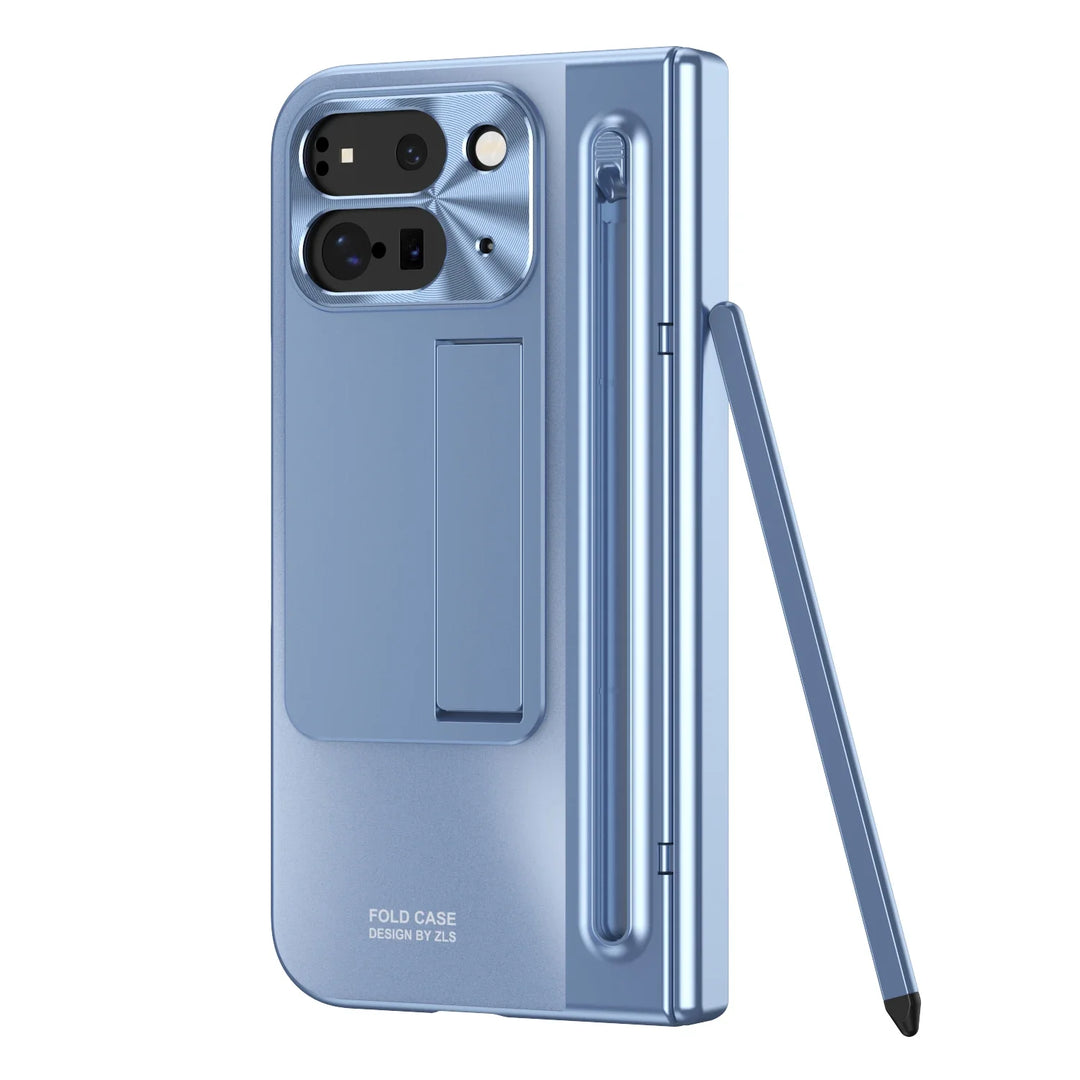
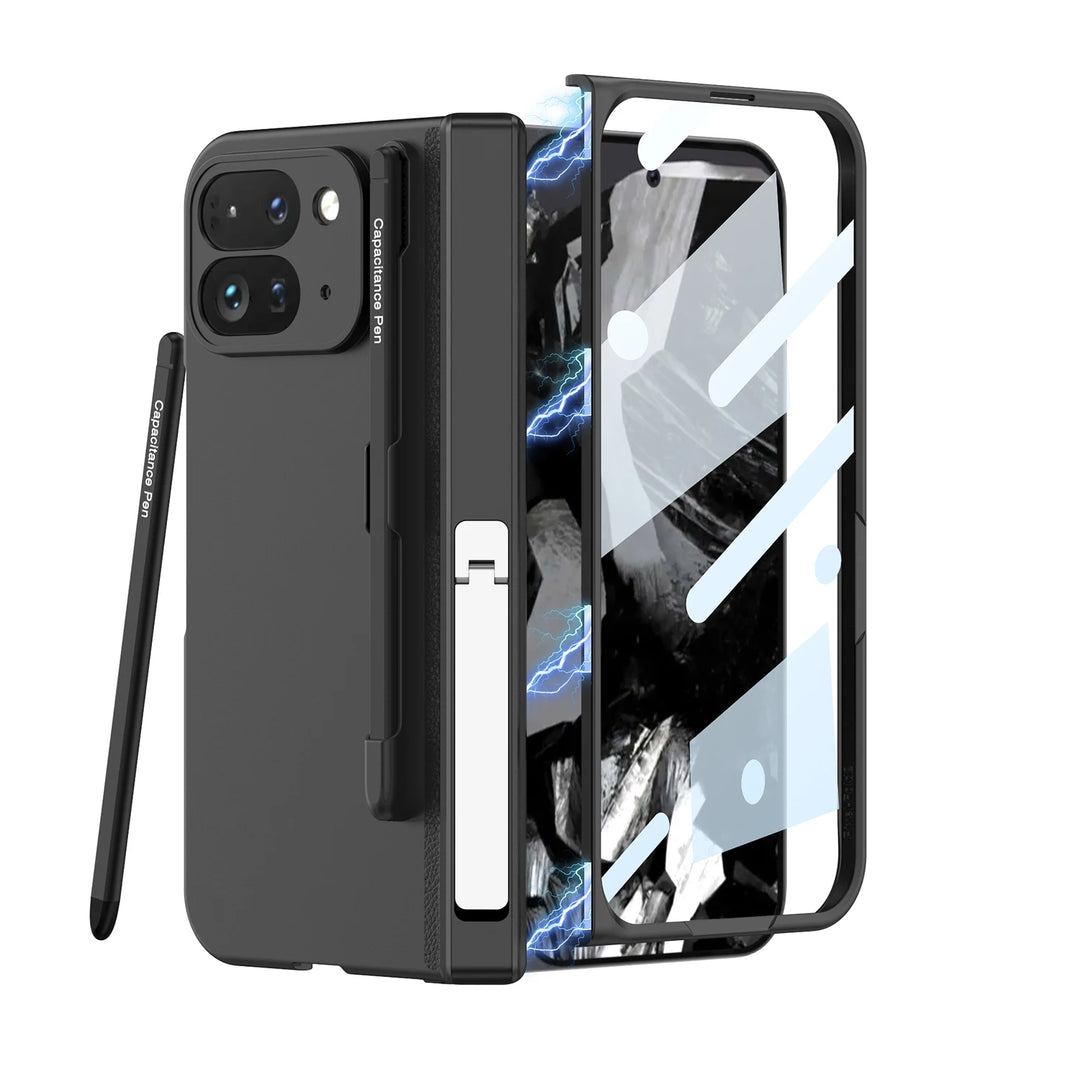
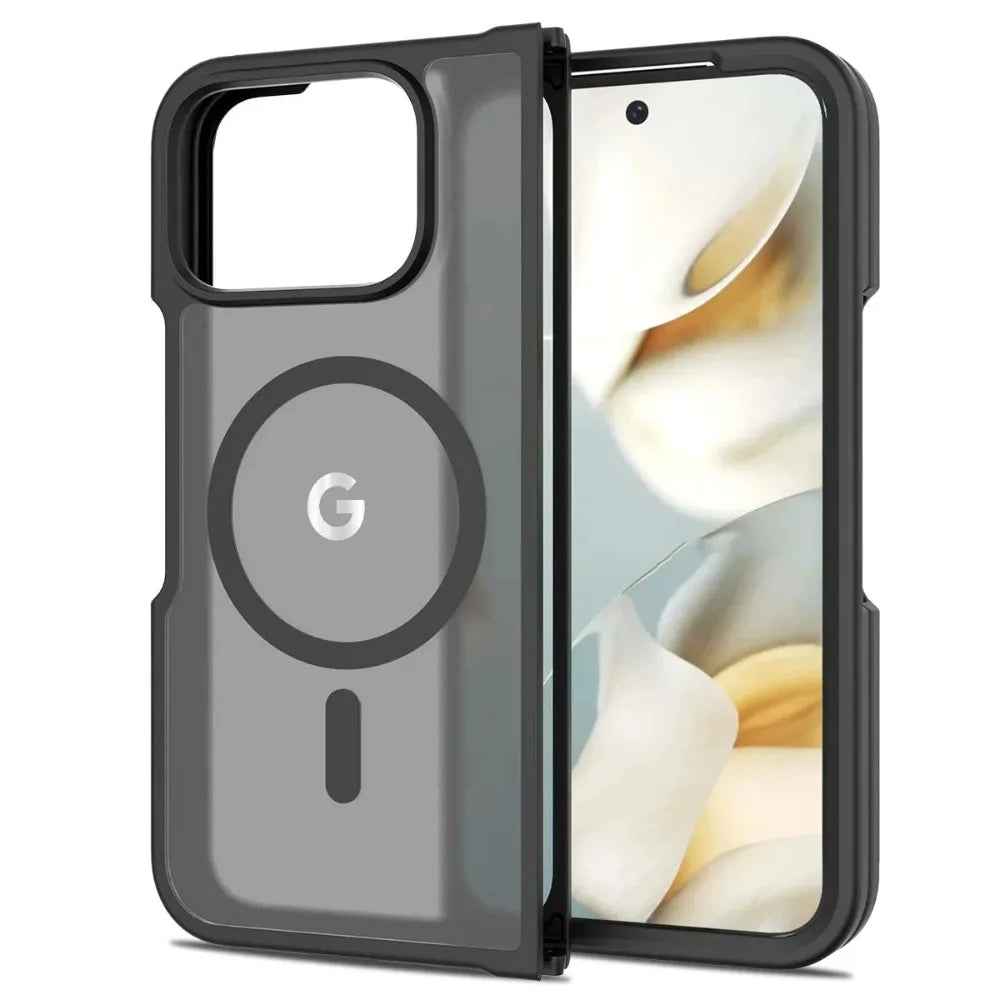
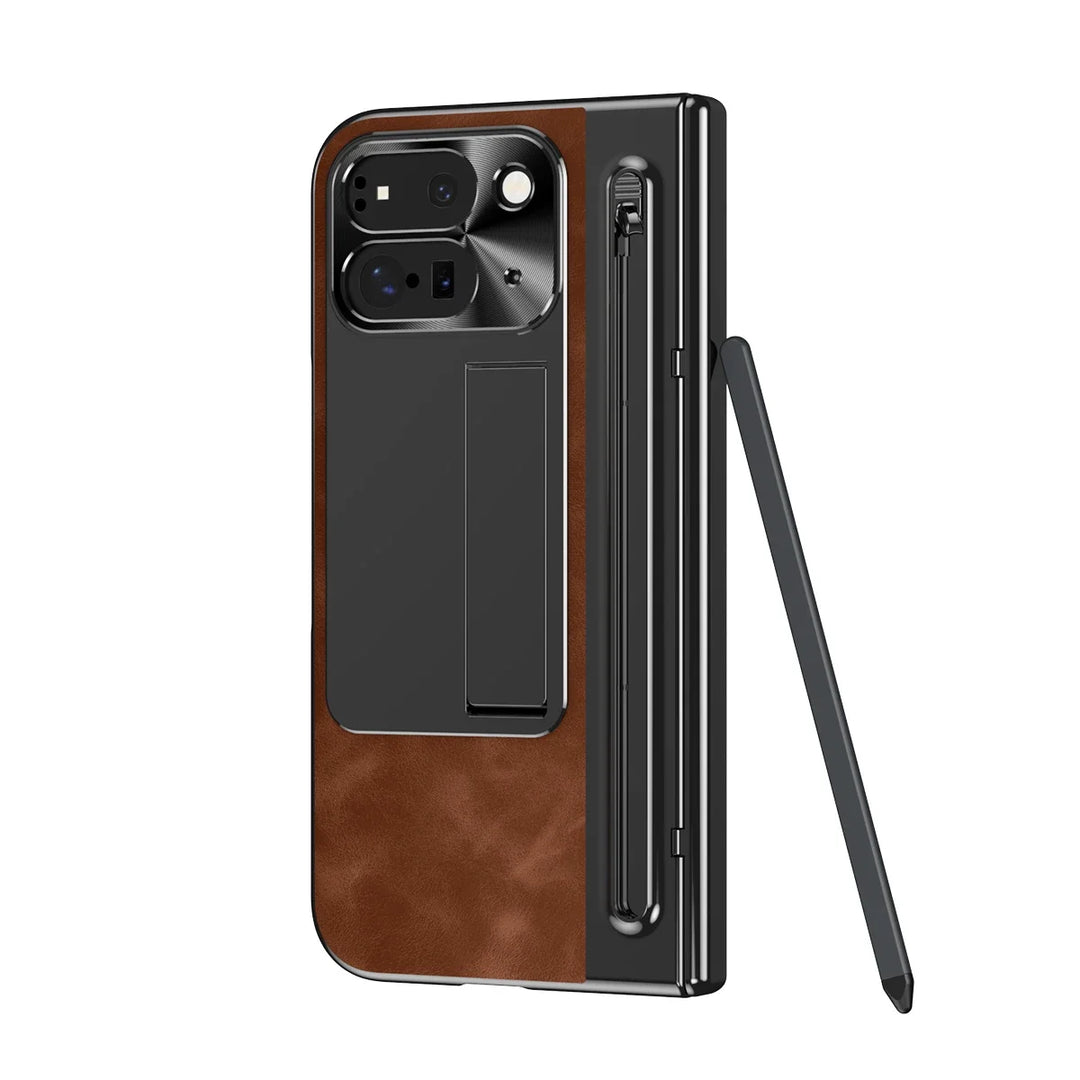
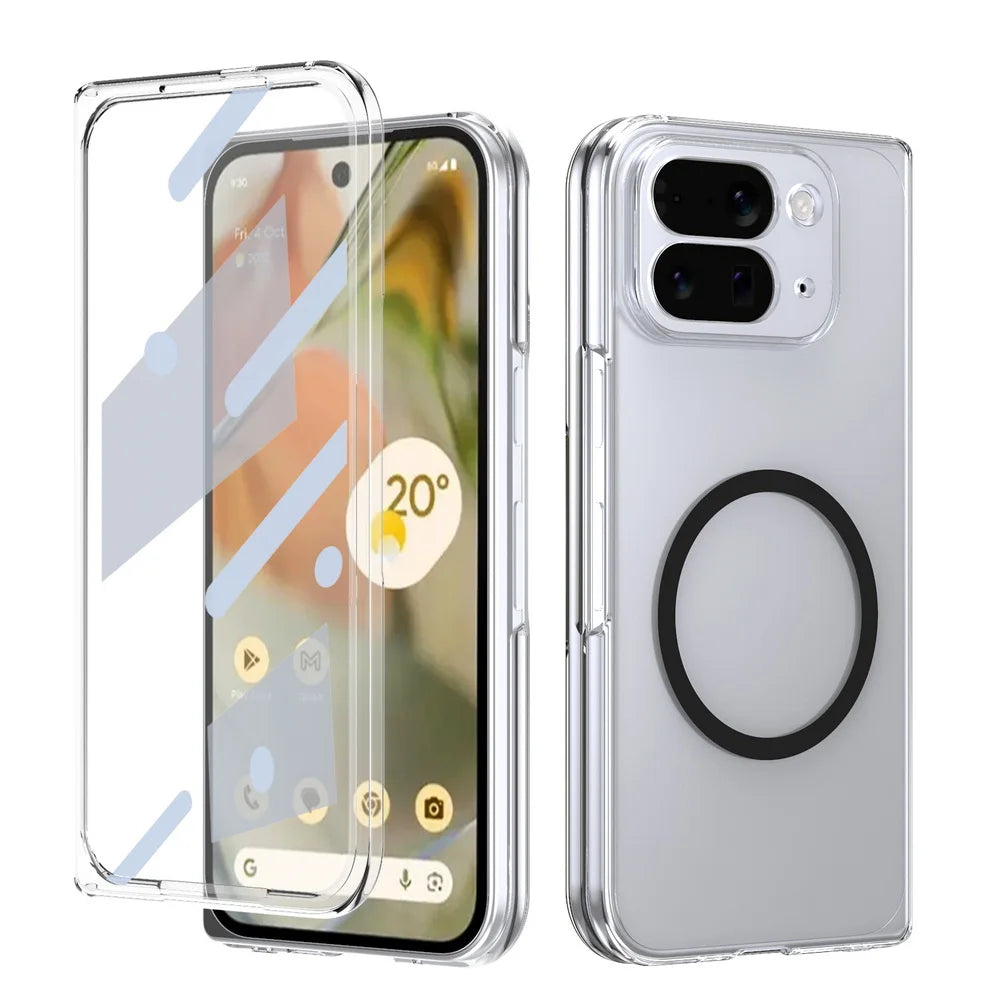
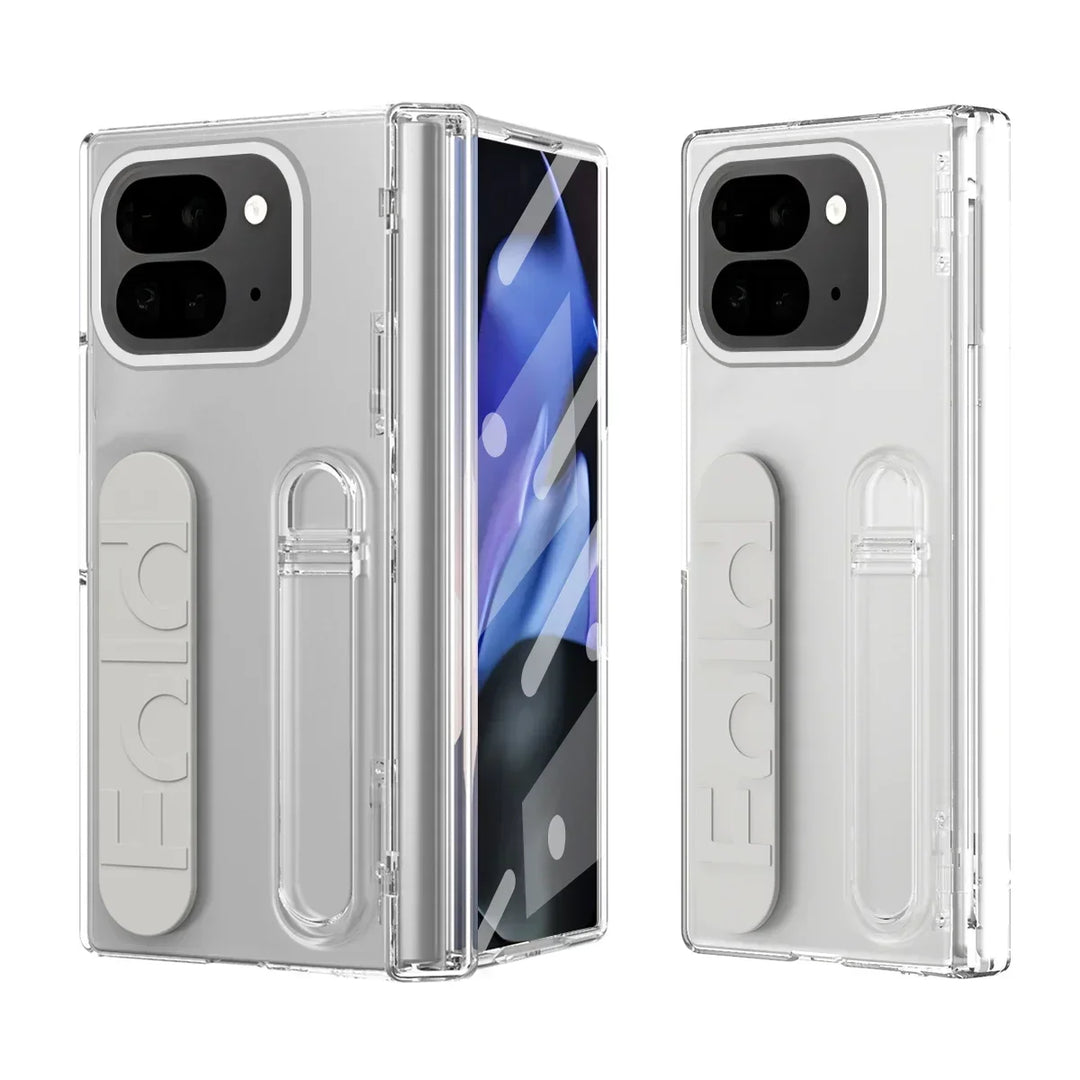
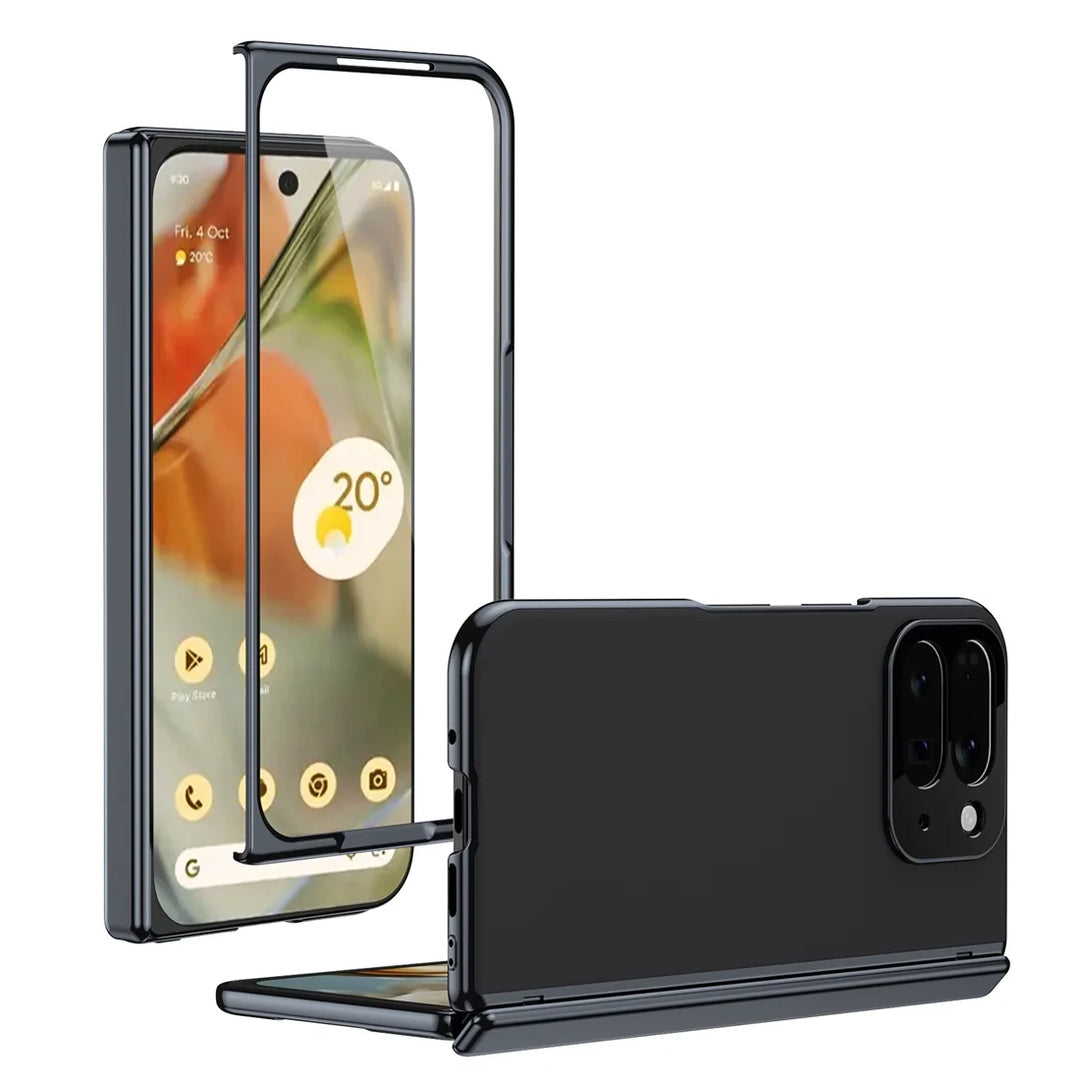
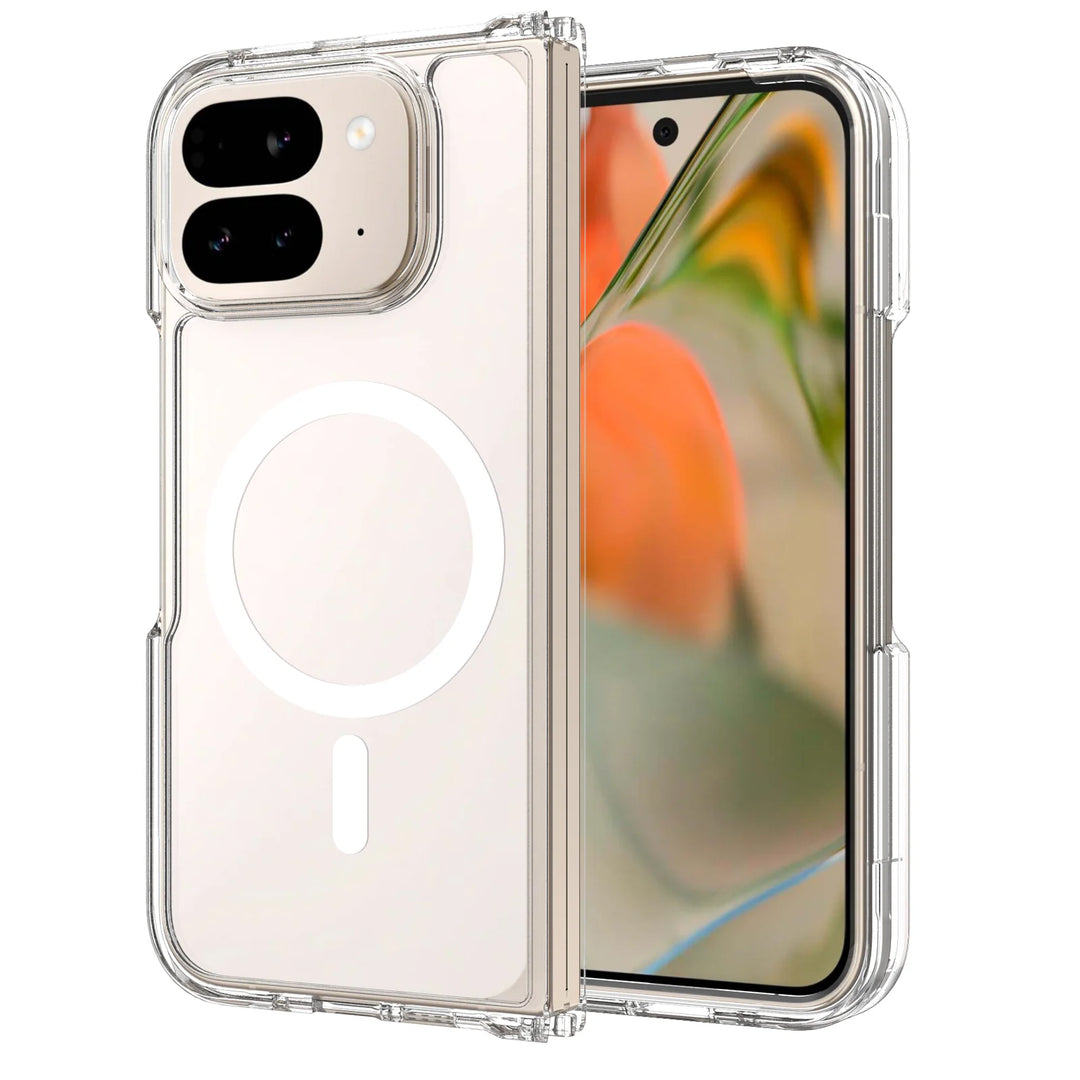
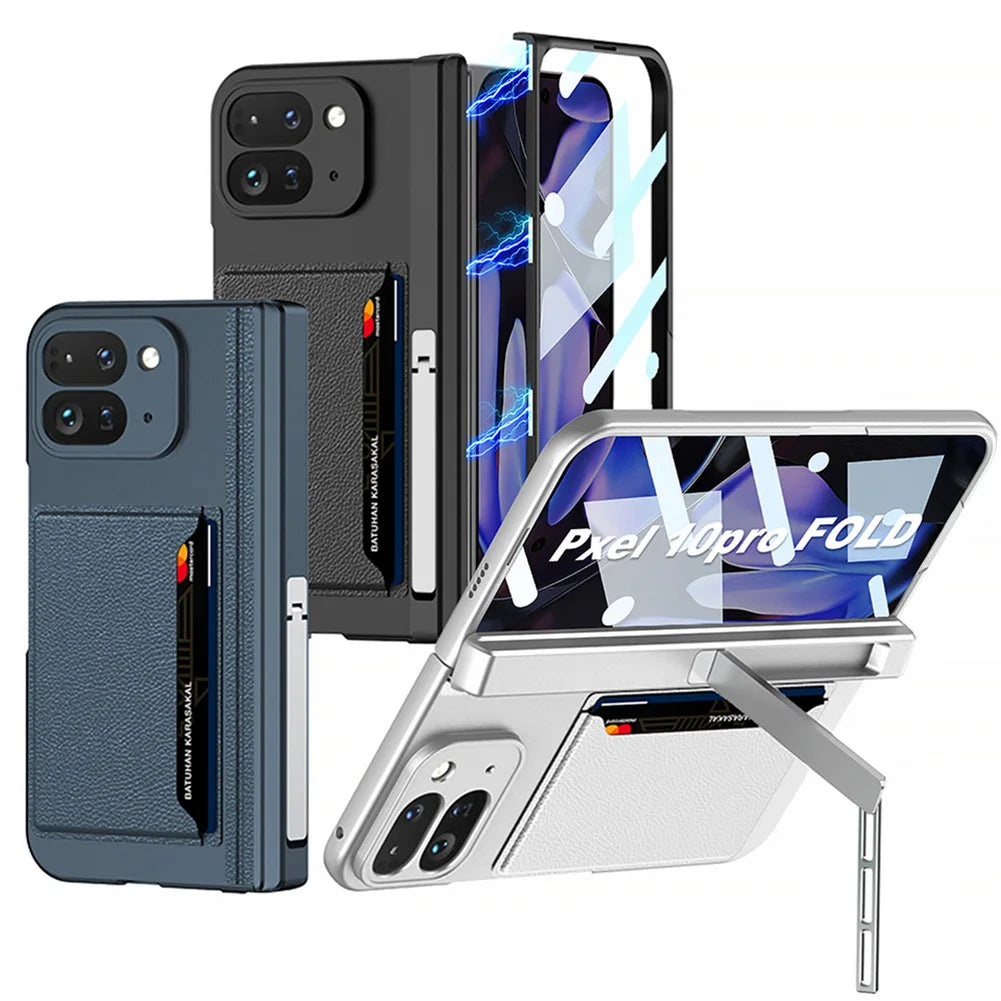
If you land on the Pixel 11, we're already engineering the full launch-day case collection at The Pixel Case — the only accessories store built exclusively for Google Pixel. We're not splitting engineering time across Samsung, Apple, and Google simultaneously the way most case brands do; every mold is designed from the Pixel 11's actual leaked dimensions, built to be ready for the August 20 on-sale date.
Pixel 11 Cases. Live Now. All $34.95. Free Worldwide Shipping.
MagSafe · Leather · Wallet · Carbon Fiber · Armor · Clear · Ring & Stand
Google Pixel 11 Pro XL Cases →
Full Pixel 11 Series Specs Guide →
Made by Google, August 12 — Full Event Preview →
Section 10 of 10
Full FAQ — 12 Questions Answered
Is the Pixel 11 better than the Galaxy S26?
Too early to say definitively, since the Pixel 11 hasn't been independently tested yet. On paper, the Pixel 11 has the more ambitious spec sheet this generation (2nm chip, full camera refresh, new modem), while the S26 Ultra is the safer, already-proven choice with real reviews behind it.
How much does the Galaxy S26 cost compared to the Pixel 11?
Confirmed S26 pricing: $799.99 (base), $1,099.99 (Plus/Ultra-adjacent), $1,299.99 (Ultra). Leaked Pixel 11 pricing is nearly identical: ~$899, ~$1,099, ~$1,299 across equivalent tiers.
Which phone has the better camera?
The S26 Ultra's 200MP camera is already tested and well-reviewed, though Samsung's own reviewers note no major generational leap this year. The Pixel 11 is leaked to receive an entirely new sensor set across the board — potentially a bigger camera upgrade, but unverified until launch.
Does the Galaxy S26 support Qi2 or MagSafe-style charging?
No. PhoneArena confirms there is no Qi2 support on the S26 Ultra, a notable omission fans had hoped for. The Pixel 11 continues Google's Pixelsnap magnetic charging system, giving it a real advantage here.
Which chip is faster, Snapdragon 8 Elite Gen 5 or Tensor G6?
Unknown until independent Pixel 11 benchmarks land. The Snapdragon 8 Elite Gen 5 has been thoroughly tested and performs excellently. The Tensor G6 is built on a more advanced 2nm process, which should improve efficiency, but Google's Tensor chips have historically prioritised AI processing over raw benchmark scores.
What is Samsung's Privacy Display?
A new S26 Ultra feature that reduces screen visibility from off-angles, protecting your screen from being seen by people beside you. Testing found it reduces brightness and colour accuracy when active, making it more of a situational tool than a default setting.
What is Pixel Glow on the Pixel 11?
An RGB LED array built into the camera bar, replacing the previous temperature sensor. It provides colour-coded notifications and status indicators, similar in concept to Nothing's Glyph interface. Expected on Pro and Pro XL models.
Does the Galaxy S26 Ultra have a bigger battery than the S25 Ultra?
No — Samsung kept it flat at 5,000 mAh. Battery life improvements this generation come entirely from the 3nm chip's efficiency, not a larger cell.
Should I wait for the Pixel 11 or buy the Galaxy S26 now?
If you need a phone immediately, the S26 is proven and already shipping. If you can wait until August 20, the Pixel 11 offers a more ambitious set of upgrades on paper, with the trade-off being that none of it is independently verified yet.
Does the Pixel 11 fix Pixel's modem problems?
That's the expectation — the leaked switch to a MediaTek M90 modem replaces the Samsung Exynos modems used in every Pixel since the Pixel 6, addressing the most consistently complained-about Pixel hardware issue. Real-world performance won't be confirmed until reviews land in August.
Where can I buy cases for the Pixel 11?
The Pixel Case (thepixelcase.com) — the only Pixel-exclusive accessories store, with cases live now for the standard Pixel 11, Pro, and Pro XL, all $34.95, free worldwide shipping, 50,000+ customers.
Whichever you choose, protect it well.
The Pixel Case · 50,000+ customers · Engineered exclusively for Pixel · Free worldwide shipping