How Much Drop Protection Does the Pixel 10a Really Need?
The Pixel 10a packs flagship-grade AI features and Google's signature camera system into a lightweight, affordable body. It's an impressive piece of hardware but it's still glass, aluminium, and precision optics held together in a slim frame. And most of the damage it'll take in its lifetime won't come from dramatic falls. It'll come from the small, unremarkable drops that happen every week: sliding off a desk, slipping from a pocket, tumbling in a bag.

The real question about Pixel 10a drop protection isn't whether you need a case. It's how much case you actually need — because over-protecting is just as wasteful as under-protecting. This guide breaks down real-world drop scenarios, explains what each protection level actually handles, and helps you make the right call for how you actually use your phone.
How Fragile Is the Pixel 10a, Really?
It's tempting to assume a mid-range phone is built tougher than a flagship — fewer premium materials, maybe more plastic. But the Pixel 10a still uses a glass front and back, which means both faces are vulnerable to cracks from even moderate impacts. The aluminium frame provides structural integrity, but it dents and scuffs easily on hard surfaces.
Then there's the camera bar. Google's signature design element protrudes from the body, and that raised geometry creates a contact point that hits surfaces first when the phone lands face-up. A cracked camera lens doesn't just look bad — it degrades photo quality permanently, and a lens replacement is neither cheap nor quick.
The term "budget flagship" sometimes creates a false sense of durability. In reality, the Pixel 10a shares the same fragility profile as phones costing twice as much. Its glass panels will crack under the same forces, its camera module is equally exposed, and its screen is just as susceptible to shatter patterns from corner impacts. Understanding this fragility is the foundation of smart Pixel 10a drop protection. Treat it like the precision device it is — not like a rugged handset.
Phones don't break from one catastrophic accident. They break from the accumulation of small, everyday drops that weaken the glass over time — until one ordinary fall finishes the job.
Most Common Pixel 10a Drop Scenarios
Understanding where drops actually happen is more useful than obsessing over military-grade certifications. Here are the four scenarios that account for the vast majority of real-world phone damage — and the risk each one carries for the Pixel 10a.
Desk and Table Drops
Height is low — typically under 80cm — but the landing surface is usually hard wood, tile, or laminate. These drops happen constantly: reaching past your phone, catching a cable, a vibration-induced slide to the edge. The risk is primarily to screen corners and the camera bar. Any case with raised lips will handle this reliably.
Pocket-Height Drops
Pulling your phone out of a pocket or having it slip while standing puts it at roughly waist height — around one metre. At this height, impact force increases significantly. A phone landing flat on carpet might survive. The same phone hitting a tile floor corner-first almost certainly won't. This is where Pixel 10a protection level starts to matter more, and slim cases reach the edge of their reliable range.
Sidewalk and Concrete Drops
Concrete is the worst common surface your phone can land on. It's hard, rough, and unforgiving. A waist-height drop onto concrete will crack an unprotected Pixel 10a screen in most cases, and the abrasive surface will grind through glass coatings instantly. This scenario demands serious shock absorption and reinforced corner protection.
Backpack, Commute, and Travel Impacts
This is an often-overlooked dimension of Pixel 10a drop protection. Phones in bags get knocked around more than people realise. Keys, bottles, chargers, and other hard objects create constant low-level impacts. Add a crowded train, a dropped backpack, or luggage handling, and you've got repeated micro-impacts that weaken structural integrity over time. This scenario doesn't require maximum armour, but it does require consistent, all-around coverage — especially over the camera bar.
What Level of Protection Handles Each Drop?
This is the practical core of Pixel 10a drop protection. Different scenarios need different case types. Here's an honest breakdown of what actually works — and what doesn't — for each real-world situation.
| Drop Scenario | No Case | Slim Case | Rugged Case |
|---|---|---|---|
| Desk / table drop | ✗ High risk | ✓ Covered | ✓ Covered |
| Pocket-height drop | ✗ Likely damage | ⚠ Partial | ✓ Covered |
| Concrete / sidewalk | ✗ Almost certain | ✗ Insufficient | ✓ Covered |
| Commute / travel | ✗ Accumulated | ⚠ Minimal | ✓ Covered |
The pattern is clear: no case is never the right answer for a glass-backed phone, slim cases cover careful indoor use, and rugged cases are the only reliable option once concrete or repeated impacts enter the picture. Choosing the right Pixel 10a case protection isn't about maximum thickness — it's about matching your case to your actual risk exposure.
Slim Pixel 10a Cases: When They're Enough
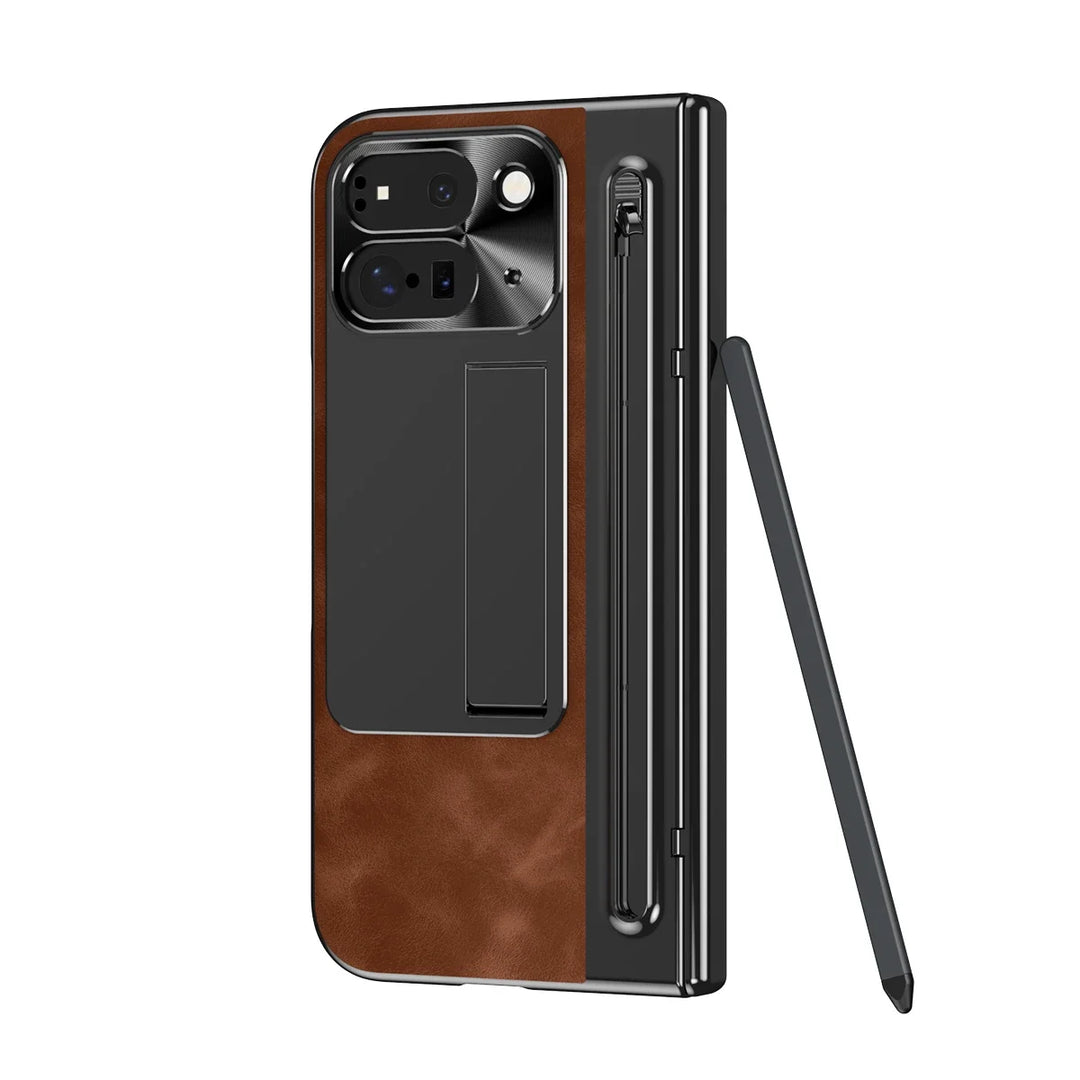
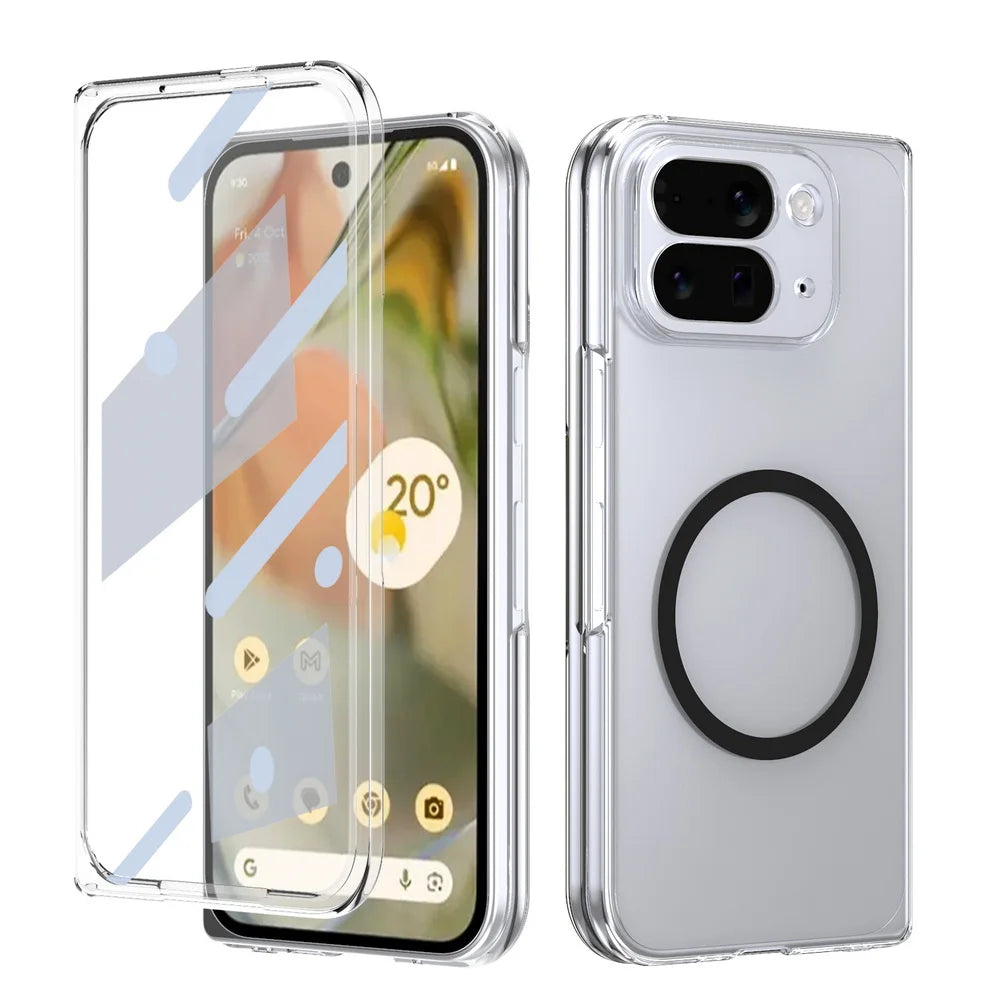
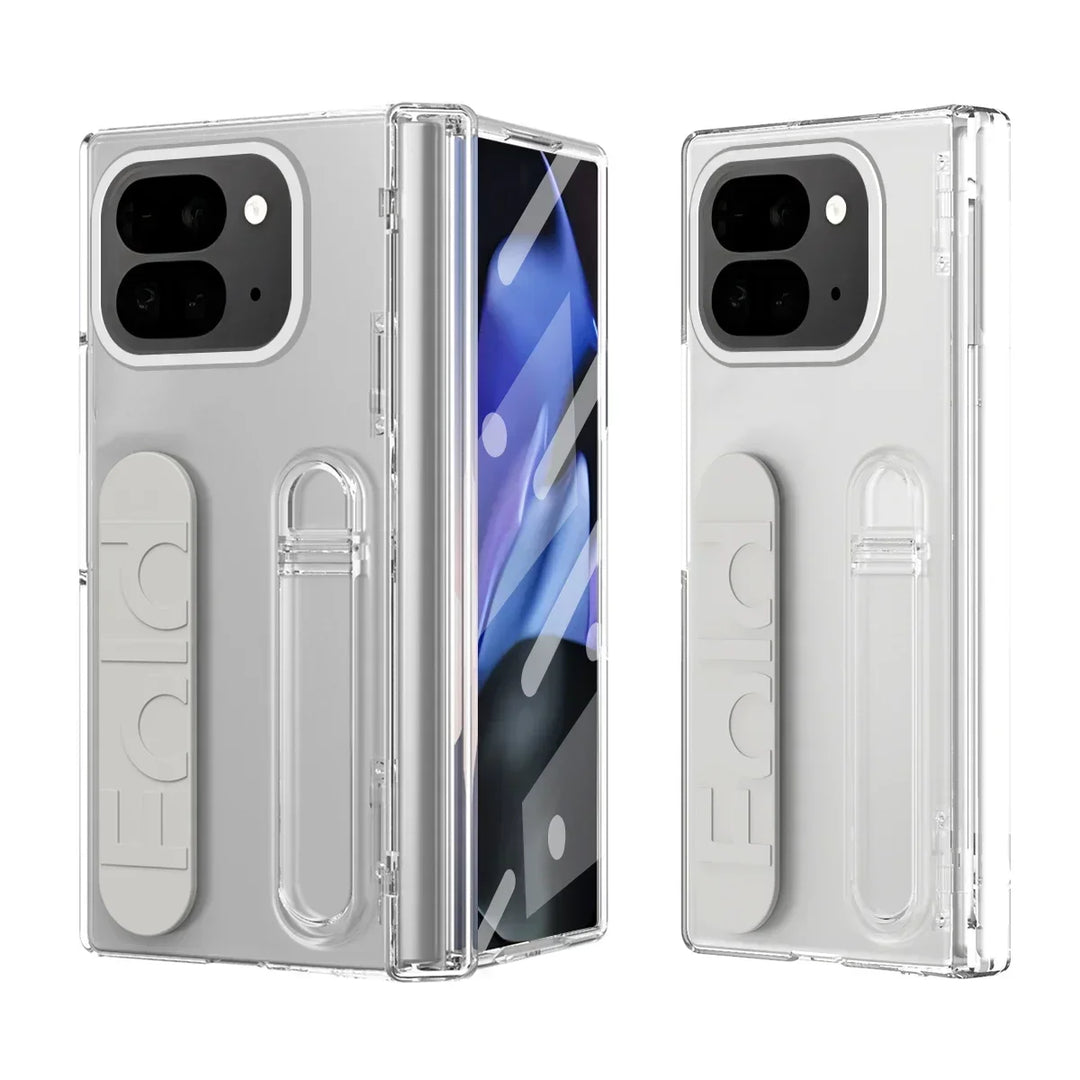
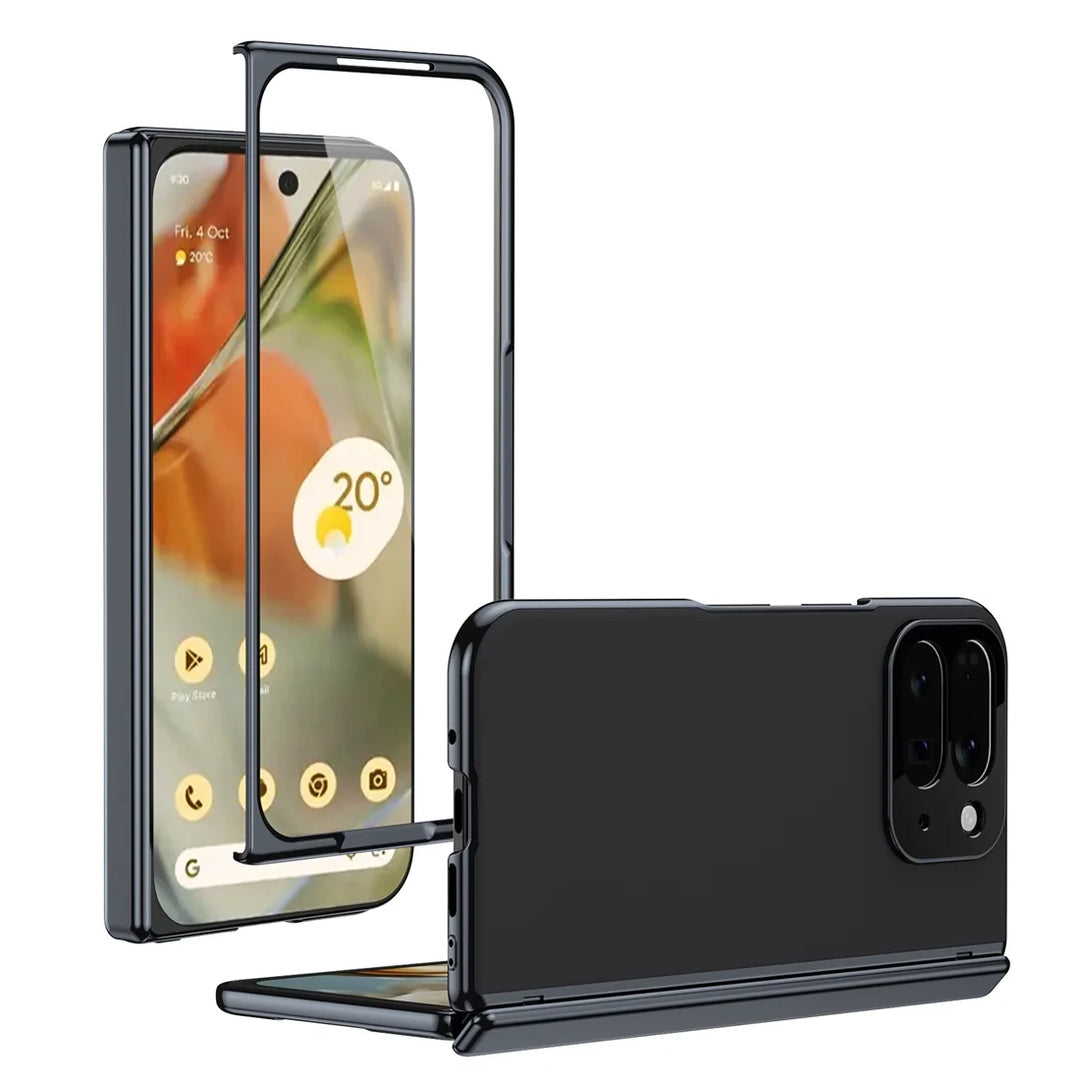
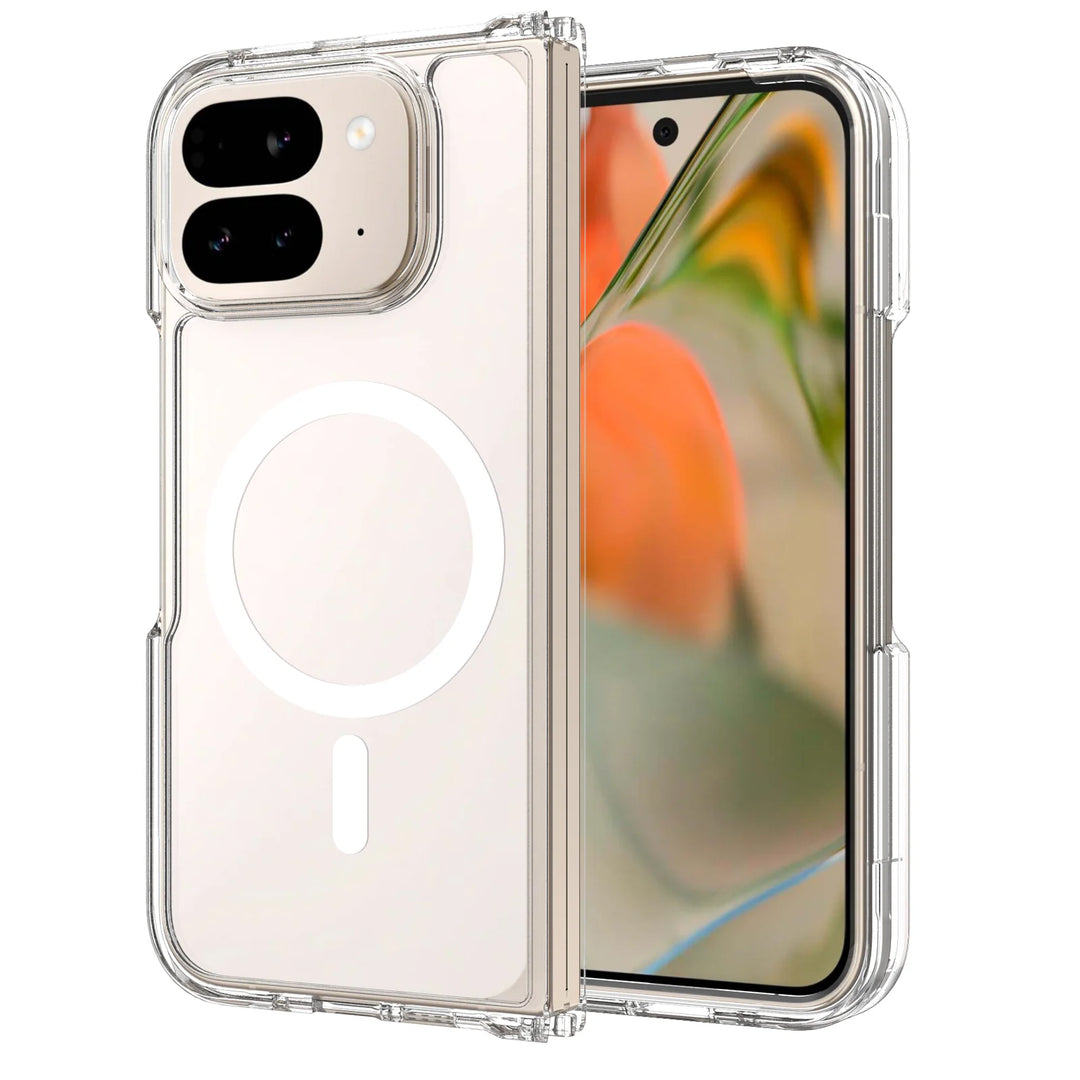
Slim cases get a bad reputation, but for the right user, they're the smartest choice. If you work at a desk, handle your phone carefully, and mostly use it indoors or in controlled environments, a slim case delivers exactly what you need: scratch prevention, low-drop shock absorption, camera lip protection, and a form factor that doesn't fight the Pixel 10a's lightweight design.
The key is specificity. A generic slim case from a marketplace seller won't protect the Pixel's camera bar geometry properly — it might leave the module exposed or misalign the lip height. A Pixel-specific slim case, engineered around the 10a's exact dimensions and camera bar profile, solves for that. You get the thinness you want without the vulnerability trade-off on the parts that matter most.
If you're the kind of user who rarely drops their phone and wants Pixel 10a drop protection without bulk, a well-designed slim case is the move.
Shop slim & clear Pixel 10a cases →
Rugged Pixel 10a Cases: When You Actually Need Them
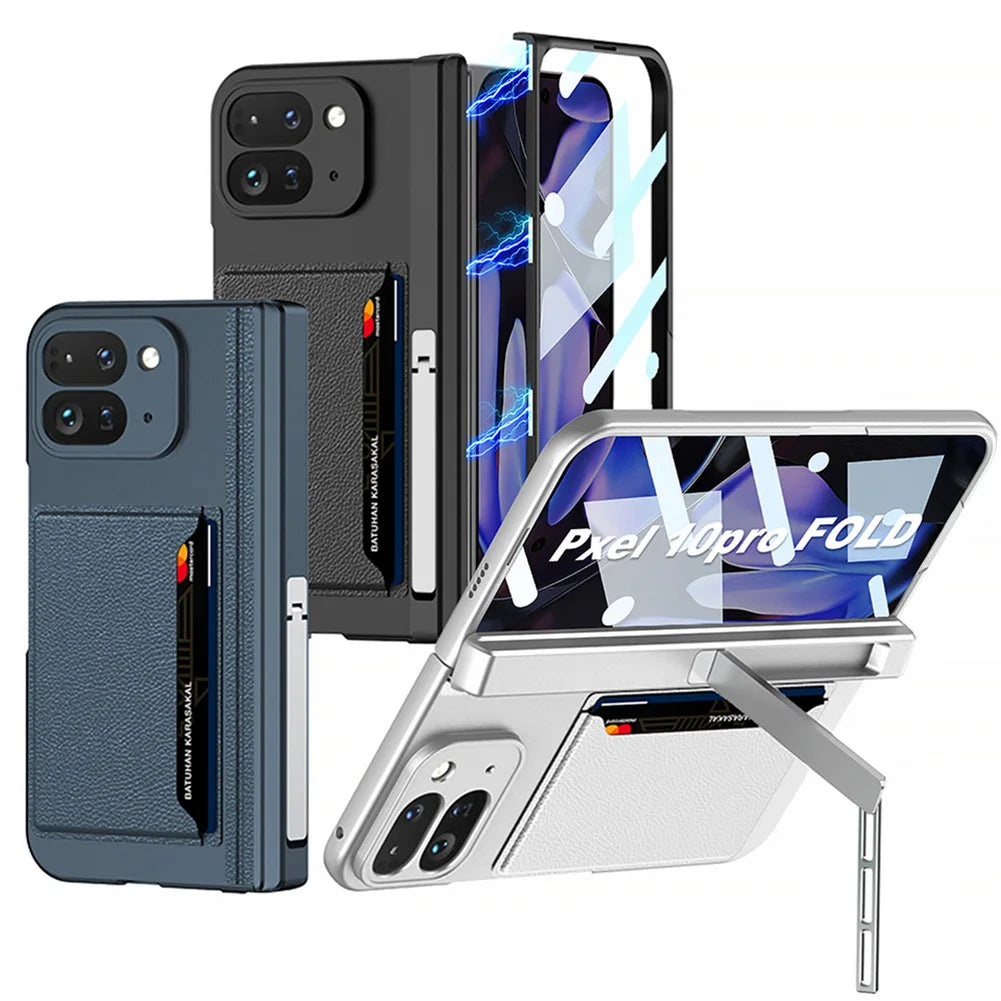
If any of the following describe you, skip the slim case and go straight to protective: you commute daily on public transport, you work in a physical environment (construction, warehouse, retail floor), you have kids who grab your phone, you tend to drop things, or you travel frequently. In these situations, the cost of a screen replacement far exceeds the slight bulk of a rugged case — and one bad drop on concrete will prove that math immediately.
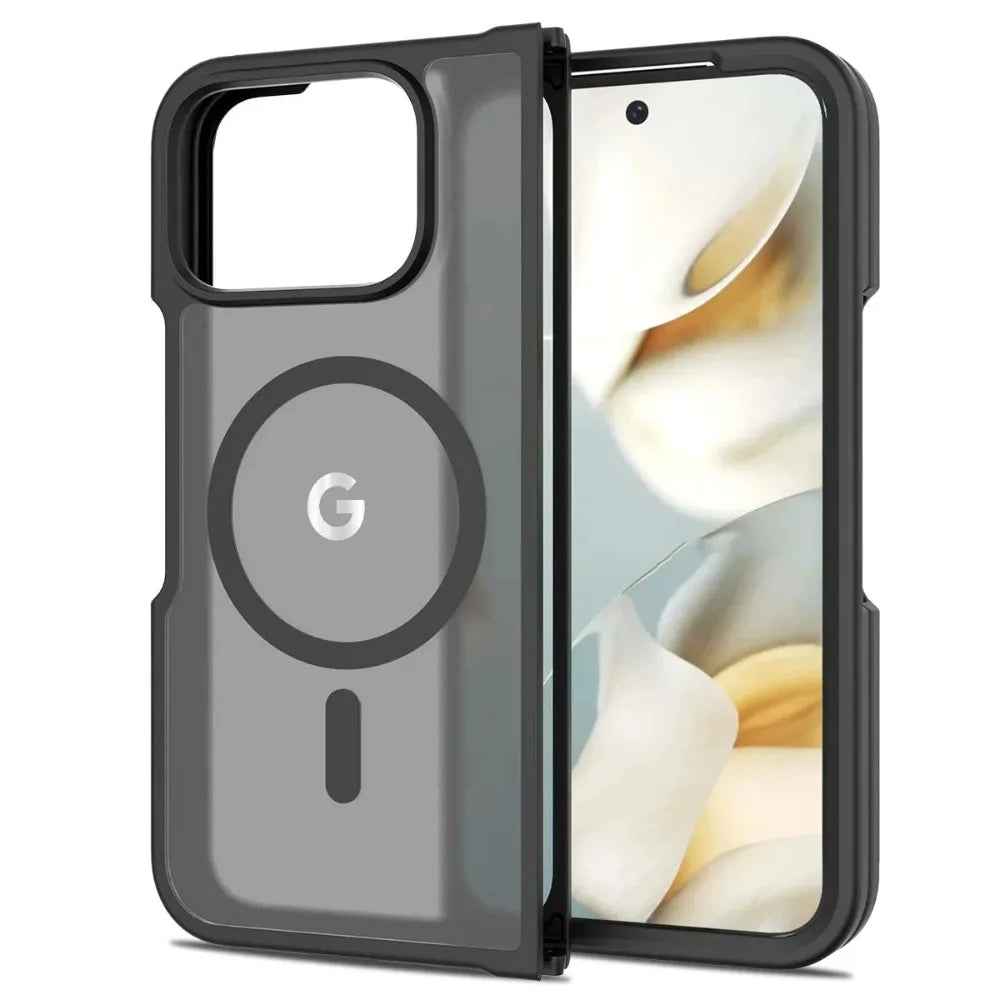
Good rugged cases don't need to be bricks. Modern protective designs use shock-dissipating TPU layers, reinforced corner air pockets, and raised bezels without adding excessive weight. The goal is to absorb and redirect impact energy away from the screen and camera bar — the two most expensive components to repair on the Pixel 10a. For drop-prone users, this level of Pixel 10a case protection is a straightforward ROI calculation.
Shop protective Pixel 10a cases →
Why Camera Bar Protection Matters More Than Case Thickness
This is where most off-the-shelf cases fail the Pixel 10a — and it's the single biggest reason to choose a Pixel-specific case over a generic one. Google's camera bar is a protruding horizontal strip that runs across the full width of the phone's rear panel. It's a defining design element, but it's also a structural vulnerability: when your phone lands face-up, the camera bar is the first point of contact.
Generic cases designed from rough measurements often leave tiny gaps around the camera module, or fail to provide enough lip height above the lenses. That means a flat drop onto a table can still crack a lens, even with a case on. Pixel-specific cases, designed from CAD models of the actual device, account for the exact curvature and protrusion of the bar. Raised edges are calibrated to keep lenses off surfaces. Shock zones around the module dissipate impact before it reaches the glass.
At The Pixel Case — the world's first store built entirely around Google Pixel accessories — this is the engineering priority, not an afterthought. Every case is designed camera-bar-first, using precise dimensional data, and tested against the drop scenarios Pixel users actually face. With over 50,000 Pixel customers protected, the approach is validated by real-world results, not spec-sheet marketing. When evaluating Pixel 10a drop protection, camera bar coverage should be your first criteria — not overall thickness.
The Right Protection for Your Lifestyle
| Office / careful user | Slim case with raised camera lips — full everyday coverage without bulk. |
| Daily commute | Rugged case — repeated bag impacts and crowded environments demand consistent shock absorption. |
| Outdoor work / construction | Rugged case, non-negotiable — concrete surfaces and physical environments will punish anything less. |
| Frequent travel | Rugged case — luggage handling, airport chaos, and unfamiliar environments multiply drop risk. |
| Want the best balance | Slim case with engineered raised lips and corner reinforcement — protection where it counts without rugged bulk. |
The right Pixel 10a protection level isn't the maximum available. It's the one that matches how you actually live, commute, and work — without adding weight or bulk you don't need.
Frequently Asked Questions
Does the Pixel 10a need a rugged case?
It depends on your daily routine. If you commute, work in physical environments, or tend to drop your phone, a rugged case is the safer bet. For desk-based, indoor use, a slim case with proper lip protection is typically sufficient.
Is a slim case enough for the Pixel 10a?
For low-height drops, scratch prevention, and indoor use — yes. A slim case handles everyday desk and light pocket drops well. It won't reliably protect against concrete falls or repeated high-impact scenarios.
What's the best drop protection for the Pixel 10a?
The best protection matches your real risk. Slim cases with raised camera lips cover most careful users. Rugged cases with shock-absorbing layers and reinforced corners are better for commuters, travelers, and accident-prone users. Pixel-specific engineering matters more than raw thickness.
Do thicker cases always protect better?
No. A well-engineered slim case designed around the Pixel 10a's exact geometry can outperform a thick generic case that doesn't properly cover the camera bar or distribute impact forces. Design precision matters more than millimetres of material.
Can a slim case protect the Pixel 10a camera bar?
Yes — if it's specifically designed for the Pixel 10a with raised edges around the camera module. Generic slim cases often leave the camera bar exposed or under-protected. Look for Pixel-specific cases with CAD-modeled camera protection and proper lip height.
Final Verdict
The Pixel 10a doesn't need maximum protection — it needs the right protection.
Under-protect and you're gambling with a glass-backed device every time you pick it up. Over-protect and you're burying a beautifully designed phone inside unnecessary bulk. The smart move is to assess your actual drop risk, match it to the right case type, and make sure that case is engineered specifically for the Pixel 10a's unique geometry — especially the camera bar.
At The Pixel Case, every case is built Pixel-first. CAD-modeled. Camera-bar-optimised. Tested against the drops that actually happen. Whether you need slim everyday coverage or serious rugged protection, the right Pixel 10a drop protection is the one designed for how you actually live.
Choose the right Pixel 10a protection →