I Used the Google Pixel 10a for 24 Hours — Here's What Surprised Me
I didn't expect to have anything interesting to say about the Pixel 10a.
I'd read the leaks. Same chip. Same cameras. Same battery. A phone that multiple outlets called "the laziest upgrade in Pixel history" before it even launched. I unboxed it yesterday mostly out of professional obligation — and now, 24 hours later, I'm writing this because something doesn't add up. The spec sheet says this phone is barely different from the Pixel 9a. But after a full day of actually using it, it doesn't feel barely different. And I'm trying to figure out why.
This isn't a spec breakdown or a buyer's guide. It's what I actually noticed after pulling the Pixel 10a out of the box and making it my daily driver for a day. Some of it impressed me. Some of it disappointed me. Most of it was more interesting than I expected.
The Thing Google Didn't Really Talk About

Google's announcement focused on the expected talking points: Gorilla Glass 7i, faster charging, satellite SOS, Camera Coach. All real upgrades. But they breezed past what I think is the most noticeable change when you actually hold this phone: the weight.
183 grams. That's only 3 grams lighter than the Pixel 9a on paper. But in hand, it feels like more. The slight reduction in width (73mm vs 73.3mm), the fractionally shorter body, the flush camera module that doesn't create a top-heavy imbalance — it all combines into a phone that sits differently in your palm. More settled. More balanced. I kept picking it up and putting it down just to confirm I wasn't imagining it.
There's also the back panel. It's still matte composite — not glass — but the texture is slightly different from the 9a. Smoother without being slippery. It doesn't collect fingerprints the way the 9a did after a few weeks of use. I know this sounds like a minor detail. But you touch the back of your phone hundreds of times a day. The feel matters more than anyone gives it credit for.
The Display Is Better Than the Numbers Suggest
Google says 11% brighter than the Pixel 9a. That's a stat. Here's the experience: I took the phone outside around midday to check directions, and for the first time on a budget Pixel, I didn't have to cup my hand over the screen or squint. The text was legible. The map was clear. It's not Pixel 10 bright — that phone's 3,000-nit peak is in a different league — but it's crossed a threshold where outdoor usability goes from "manageable" to "fine."
Indoors, the colours feel the same as the 9a. Deep blacks, punchy OLED saturation, smooth 120Hz scrolling. I noticed no difference between the two in controlled lighting. The upgrade is specifically about that outdoor scenario where previous a-series Pixels fell short, and it's a targeted fix that works.
What Actually Surprised Me: The Battery
This was the one that caught me off guard.
Same 5,100mAh cell. Same Tensor G4 chip. So I expected the same battery life as the Pixel 9a — which was already good. But after a full day of mixed use — an hour of Instagram, 40 minutes of YouTube, a bunch of photos, some messaging, maps navigation for about 20 minutes, and regular background sync — I ended the day at 38%.
Thirty-eight percent. After a genuine, not-babying-it day of use.
Google's claim of "30+ hours" compared to the 9a's "24+ hours" seemed optimistic, but the numbers tracked. Android 16's adaptive battery management seems to be doing something meaningful here — I can't point to a single dramatic change, but the phone just sips power more efficiently throughout the day. The always-on display, which I leave enabled, didn't seem to drain as aggressively either.
If this holds up over the next week, the Pixel 10a battery life is genuinely its most underrated upgrade. Not because the hardware changed, but because the software did.
The Camera Situation Is… Complicated
Here's where I need to be careful, because the answer is nuanced.
The hardware is identical to the Pixel 9a. Same 48MP main sensor. Same 13MP ultrawide. Same 13MP selfie camera. If you put the two phones side by side and shoot the same scene in good light, you will struggle to tell the photos apart. I did this. Multiple times. The results were, for all practical purposes, interchangeable.
But Camera Coach changes the experience, not the output. It's a small AI overlay that watches what you're framing and nudges you — "try moving closer," "the lighting is better from this angle," "hold steady for Night Sight." It's subtle. It doesn't take over. And for someone who already knows how to compose a shot, it's mostly ignorable. But I watched my partner use it for a few photos, and they got noticeably better results than usual — not because the camera was different, but because the coaching worked.
Auto Best Take is harder to evaluate in one day. It needs group photos to shine, and I didn't have a big group scenario yesterday. In the few test shots I took, it selected reasonable frames. Ask me again in a week.
The real Pixel 10a camera story is this: it's still one of the best cameras in any phone under $600, maybe under $700. The software tweaks add polish. But if you're upgrading from a 9a specifically for the camera, you'll be paying $499 for coaching tips and auto-frame selection. Decide if that's worth it to you.
What Disappointed Me
I'm going to be direct: if you own a Pixel 9a and it's working well, this phone doesn't give you a reason to upgrade.
That's not a flaw in the Pixel 10a. It's a consequence of the Pixel 9a being genuinely excellent. But after all the anticipation of a new launch, after unboxing a new device and setting it up and transferring everything over — the moment of "oh, this is clearly better" never really arrived. The improvements are there. They're measurable. The glass is tougher, the charging is faster, the battery lasts longer, the display is brighter outside. But none of them create a moment where you think this is why I upgraded.
The Tensor G4 reuse is part of it. When every a-series Pixel before this used the previous year's flagship chip, getting the same chip as the phone you're replacing feels like a broken promise — even though Google never actually promised the G5. Emotionally, it registers as stagnation. Practically, the G4 is still perfectly capable. But phones aren't purely practical purchases. The psychology of "same chip" matters.
I also noticed some warmth during an extended camera session — about 15 minutes of rapid-fire shooting in Night Sight mode. Not uncomfortable, not throttling-level. But present. Same behaviour as the 9a. If you were hoping the 10a would run cooler, it doesn't seem to.
What It's Actually Like to Use
Scrolling Instagram and Twitter: indistinguishable from any flagship. 120Hz makes everything feel fluid. App load times are snappy. No stutter, no lag, no frame drops during infinite scroll. This has been true since the Pixel 9a, and it's still true.
Watching YouTube: the OLED blacks and colour saturation make video look great. The speakers are... fine. Adequate for a phone. Not the reason you buy this device.
Taking photos at a restaurant in low light: Night Sight kicked in automatically and produced a clean, warm shot with minimal noise. The food looked like food, not a radioactive simulation of food. Google's processing restraint continues to be the Pixel camera's secret weapon — it enhances without overdoing it.
Walking outside on a cold February afternoon: the brighter display was noticeable while checking maps. The phone felt comfortable in one hand even without a case (though I don't recommend that long-term with any glass-screened phone). The flat camera module meant it sat stable on a café table without rocking.
Charging overnight: I plugged in at 38% around 11pm with the 30W charger. It hit 100% well before I woke up. The Adaptive Charging feature slowed the last 20% to protect battery health. Seamless, invisible, exactly how overnight charging should work.
Does It Feel Different From the Pixel 9a?
Honestly? Barely.
If someone handed you both phones with identical cases and the screens off, you'd have trouble identifying which was which. Turn them on, and the differences emerge slowly — the slightly brighter outdoor screen, the Camera Coach overlay, the new colour options in Material 3 Expressive. But the fundamental experience — the speed, the camera quality, the software flow — is so similar that the Pixel 10a first impressions feel more like a 9a software update than a new phone.
That's both a compliment and a criticism. It means the 9a was so well-tuned that Google couldn't find much to fix. It also means the 10a doesn't deliver the "new phone excitement" that justifies a purchase for current 9a owners. For anyone coming from a Pixel 8a, 7a, or a non-Pixel phone, the leap is substantial. For 9a owners, it's a polish.
Who This Phone Is Actually For
Not Pixel 9a owners who are happy with their phone. Not power users who want the Tensor G5's AI features. Not people who need telephoto zoom.
The Pixel 10a is for the person who's been carrying a Pixel 7a or 8a and is ready for a meaningful step up. It's for the Samsung or iPhone user who's curious about Pixel and wants the best entry point without spending $800. It's for the budget-conscious buyer who wants a camera that competes with phones twice its price, software support until 2033, and a phone that genuinely lasts a full day without anxiety.
It's also — and I think Google knows this — for markets where $499 is the ceiling, not the floor. In those markets, the Pixel 10a isn't "the budget option." It's the phone. And it's a very, very good one.
One More Thing
Running The Pixel Case — a store fully dedicated to Google Pixel accessories — means I see how people actually use these devices every day. And what struck me about the Pixel 10a is how well it fits the ecosystem mindset. Pair it with a Pixel Watch, Pixel Buds, and a wireless charging station, and you've built a cohesive daily setup for a fraction of what the flagship ecosystem costs. The 10a isn't trying to be the centrepiece. It's trying to be the reliable core that everything else connects to. And at $499, it does that job better than anything else on the market.
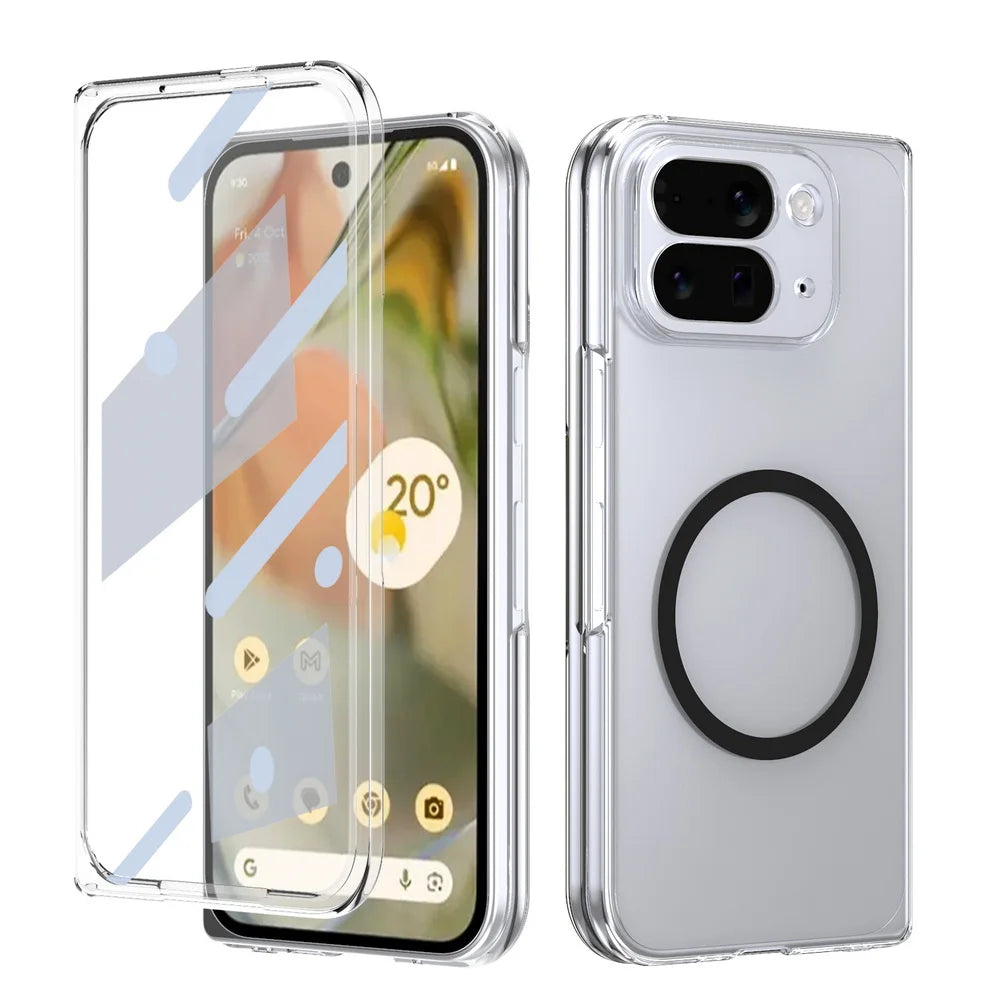
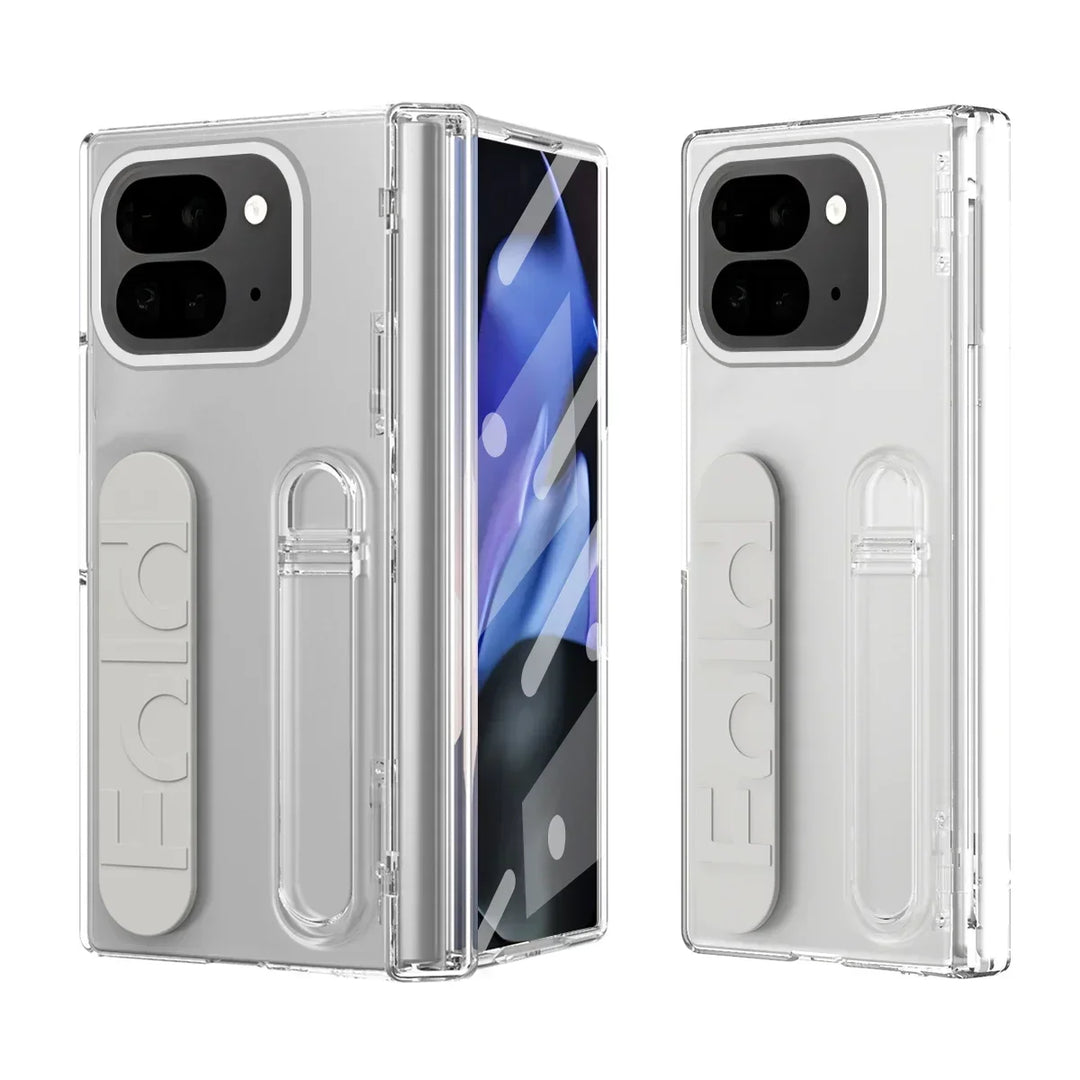
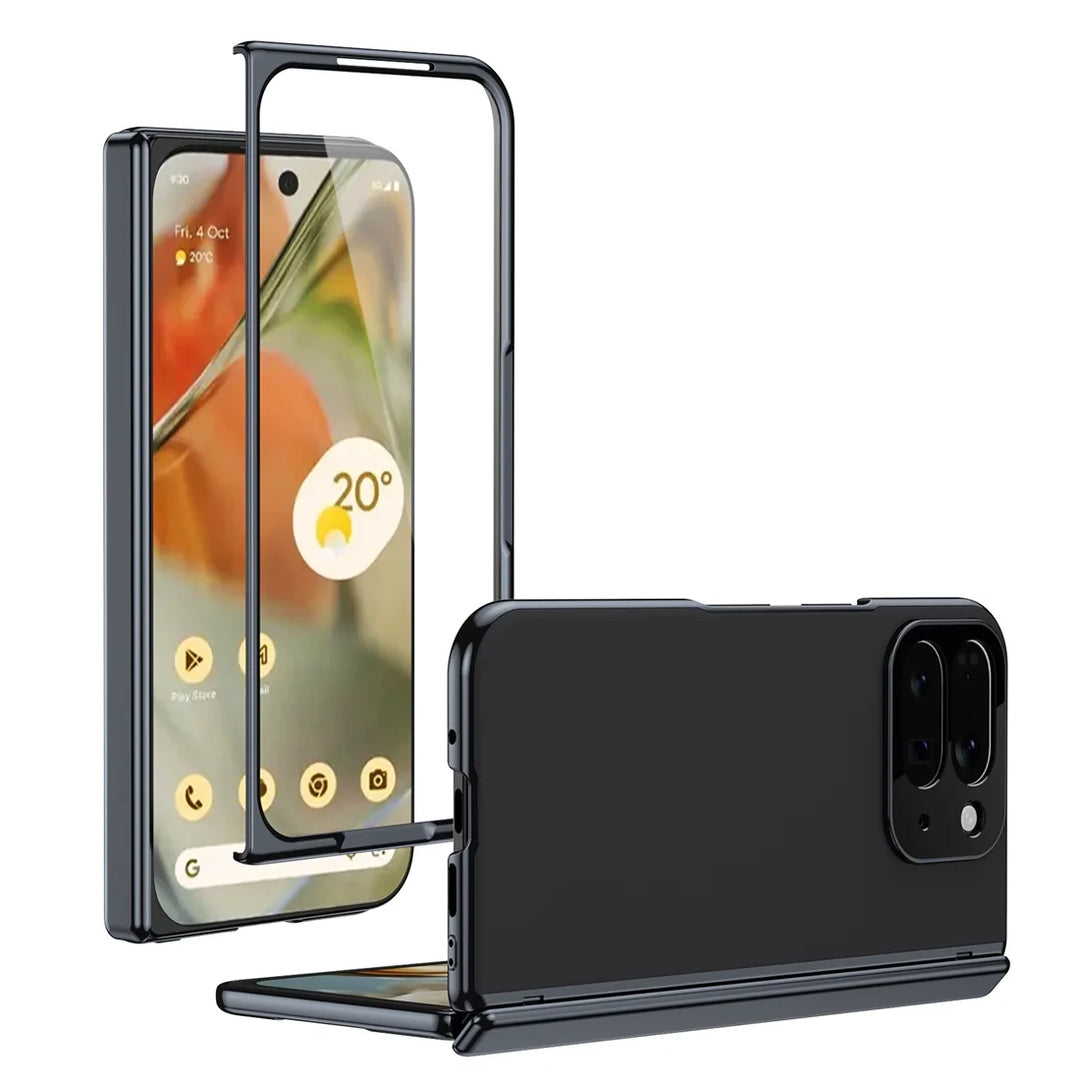
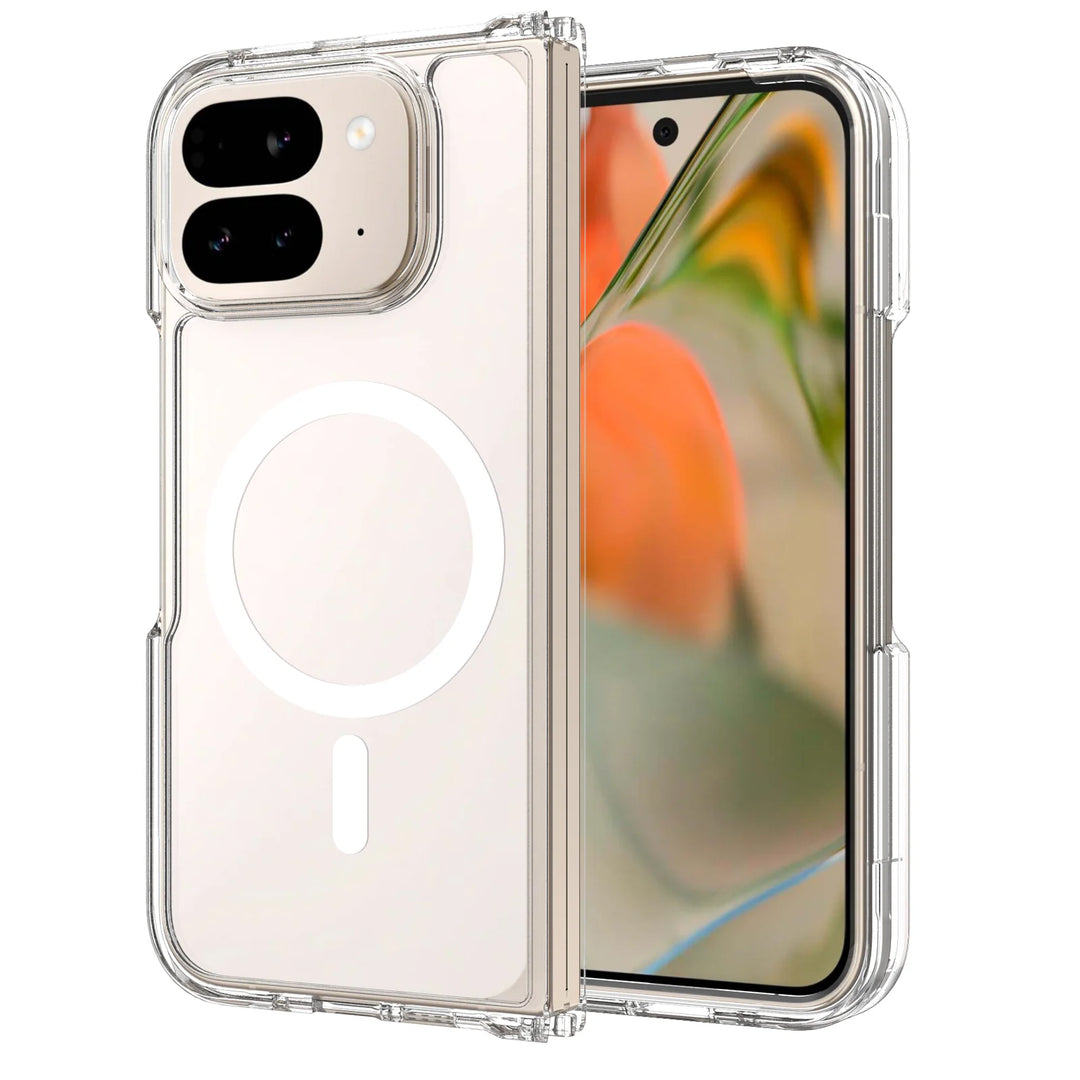
If you're picking one up, protect it from day one — the flush camera module and glass screen deserve a case that's built for the 10a's exact geometry. We've got those ready.
After 24 Hours
The Pixel 10a isn't revolutionary. Google played it safe — same chip, same cameras, same battery capacity — and leaned on software refinements and material upgrades to justify a new model. On paper, it's barely an upgrade. In hand, it's subtly but consistently better in ways that are hard to quantify until you've lived with it for a day.
The battery surprised me. The weight surprised me. The display outdoors surprised me. The lack of a "wow" moment didn't surprise me — but it didn't bother me either, because the Pixel 10a isn't designed for wow moments. It's designed for the 364 days after launch day, when the excitement fades and all that's left is a phone that takes great photos, lasts all day, and just works.
After 24 hours, I'm starting to understand who this phone is really for. And I think Google does too.