Why Foldable Pixel Cases Are NOT Like Regular Pixel Cases (Pixel Fold Explained)
Many people think a case is a case slap it on and you’re protected. That logic works fine for regular slab phones like the Pixel 9 or Pixel 10. But it fails completely when you own a foldable: the Pixel Fold, Pixel Pro Fold, or any future Pixel Fold model.

Foldables introduce entirely new engineering challenges: a living hinge, dual screens, dynamic stress points, and a price tag that makes mistakes expensive ($1,800+). A regular case can actually damage your foldable — and many do. This guide explains the key pixel fold case differences and why you need a case designed specifically for foldables.
👉 Explore Pixel Fold–specific cases → https://thepixelcase.com/collections/pixel-fold-9-pro-accessories
The Core Difference: Moving Parts vs Solid Slab Phones
A regular Pixel phone is one solid body. It never bends. It never flexes. It has one screen and one fixed hinge point (the charging port). Cases for these devices are simple: cover the corners, raise the edges, and you’re good.
A foldable Pixel phone is alive. It bends hundreds of times per day. It has:
- Two screens (inner + outer)
- A precision hinge mechanism with gears
- Dynamic stress points that move
- A completely different weight distribution when folded vs unfolded
That single fact changes everything about case design.
Why Regular Pixel Cases FAIL on Foldables
Here’s what happens when you use a standard Pixel case on a Fold:
- ❌ **Hinge obstruction** — the case binds or rubs against the hinge, creating friction
- ❌ **Increased hinge wear** — constant pressure accelerates wear on the mechanism
- ❌ **Poor weight balance** — the case is heavier on one side when folded, causing wobble
- ❌ **Uneven protection** — outer screen gets coverage, inner screen is exposed when open
- ❌ **Dust trapping** — gaps around the hinge pull in lint and particles
- ❌ **Cracking at stress points** — regular cases crack where the hinge flexes
These aren’t minor inconveniences — they’re expensive repairs.
The Engineering Challenges of Pixel Fold Cases
Hinge Protection (The #1 Difference)
The hinge must be shielded without restricting movement. This requires sliding rails, flexible bridges, or segmented designs — none of which exist in regular cases.
Two-Panel Alignment
The case must sit perfectly on both halves. Even 0.5 mm misalignment creates pressure on the inner screen when folded.
Weight Distribution
Foldables are heavier on the screen side when closed. A good case rebalances grip and handling so it doesn’t tip forward.
Magnet & Charging Alignment
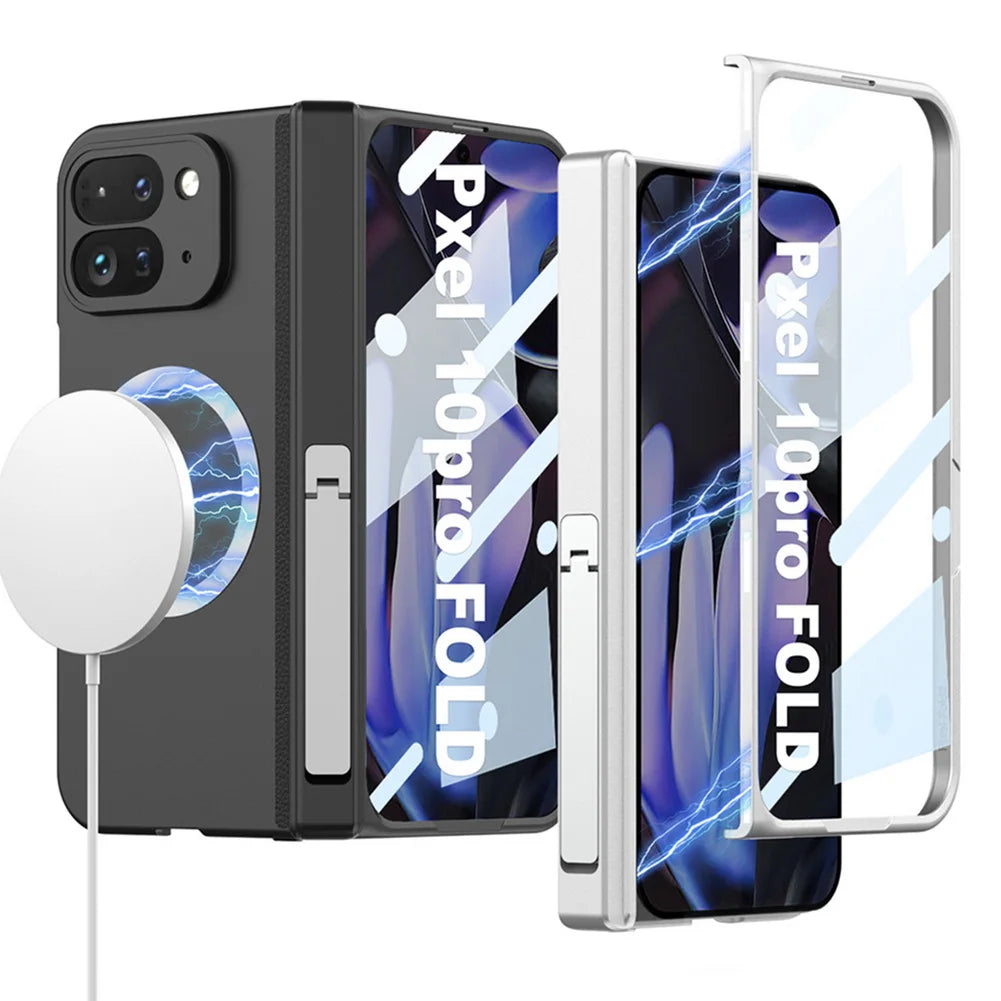
Wireless charging coils and MagSafe-style rings must be recalibrated for the folded vs unfolded position.
Foldable Case Types Explained
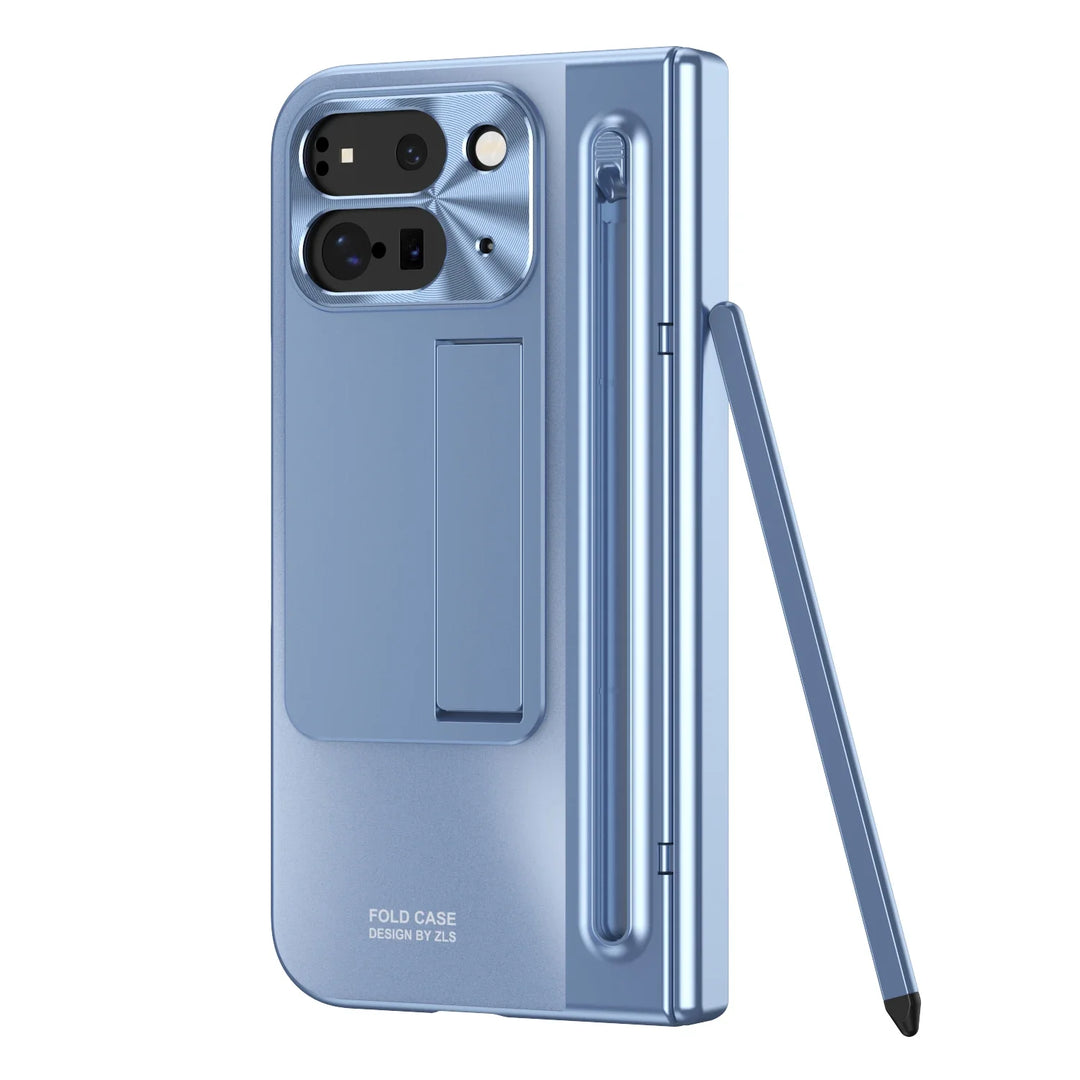
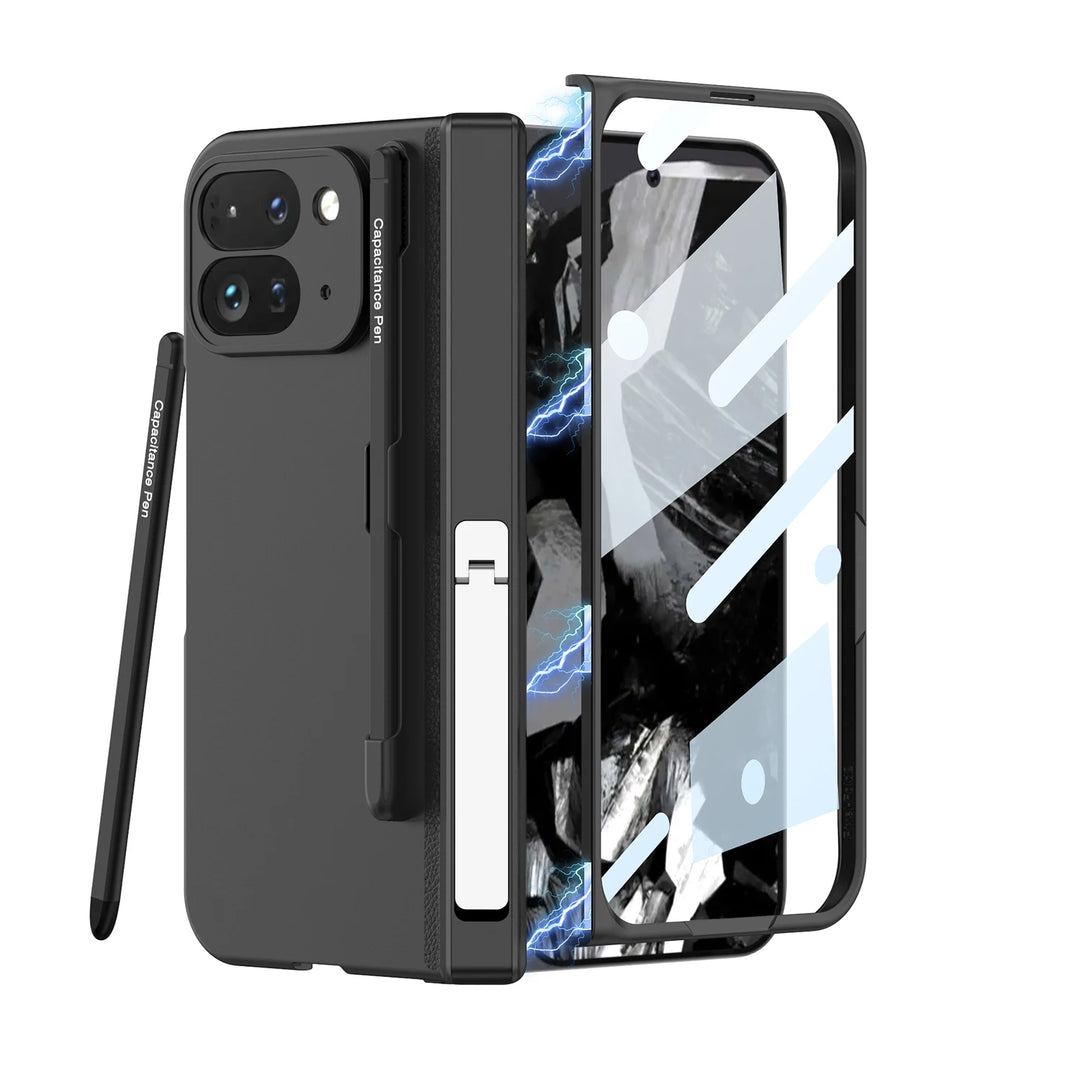
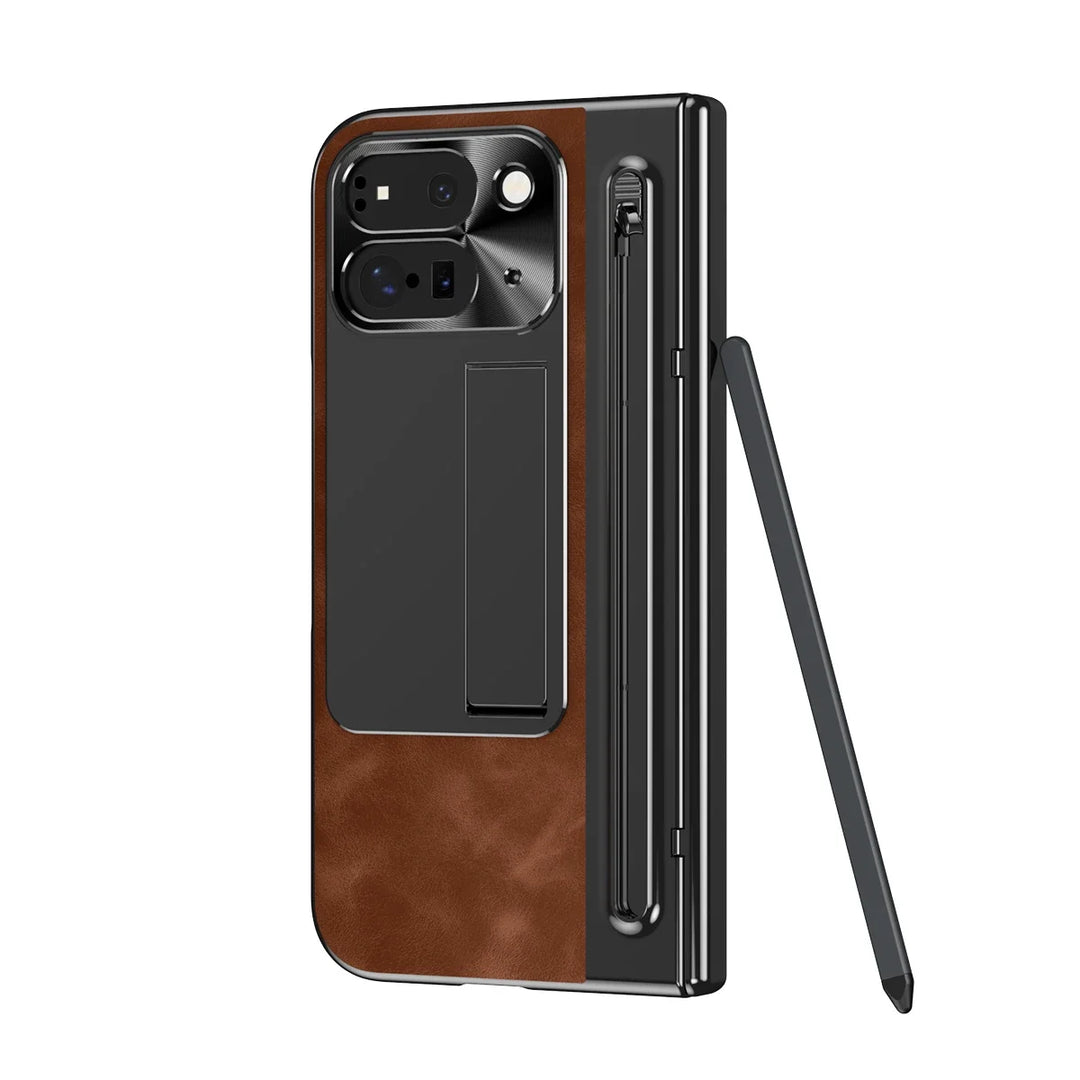
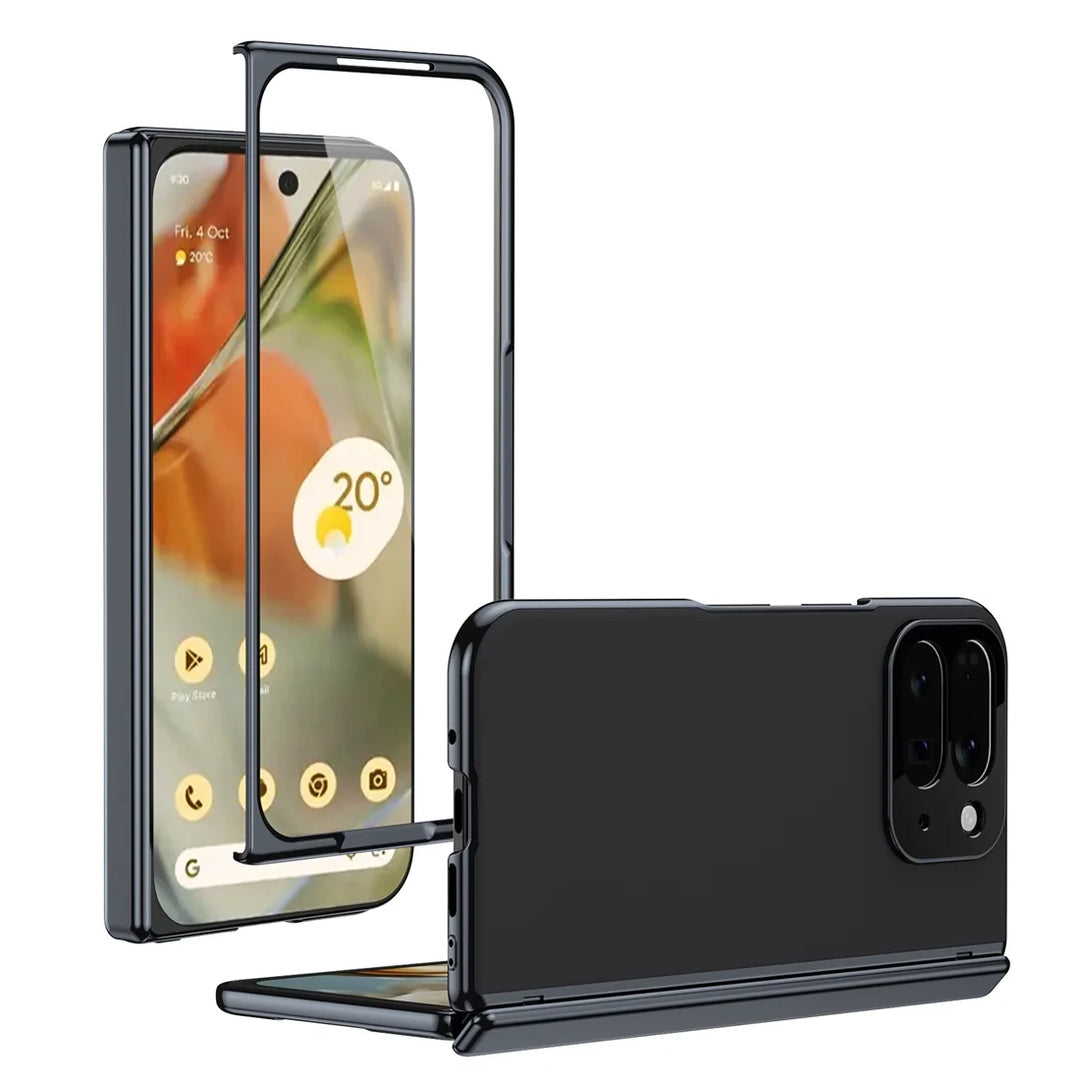
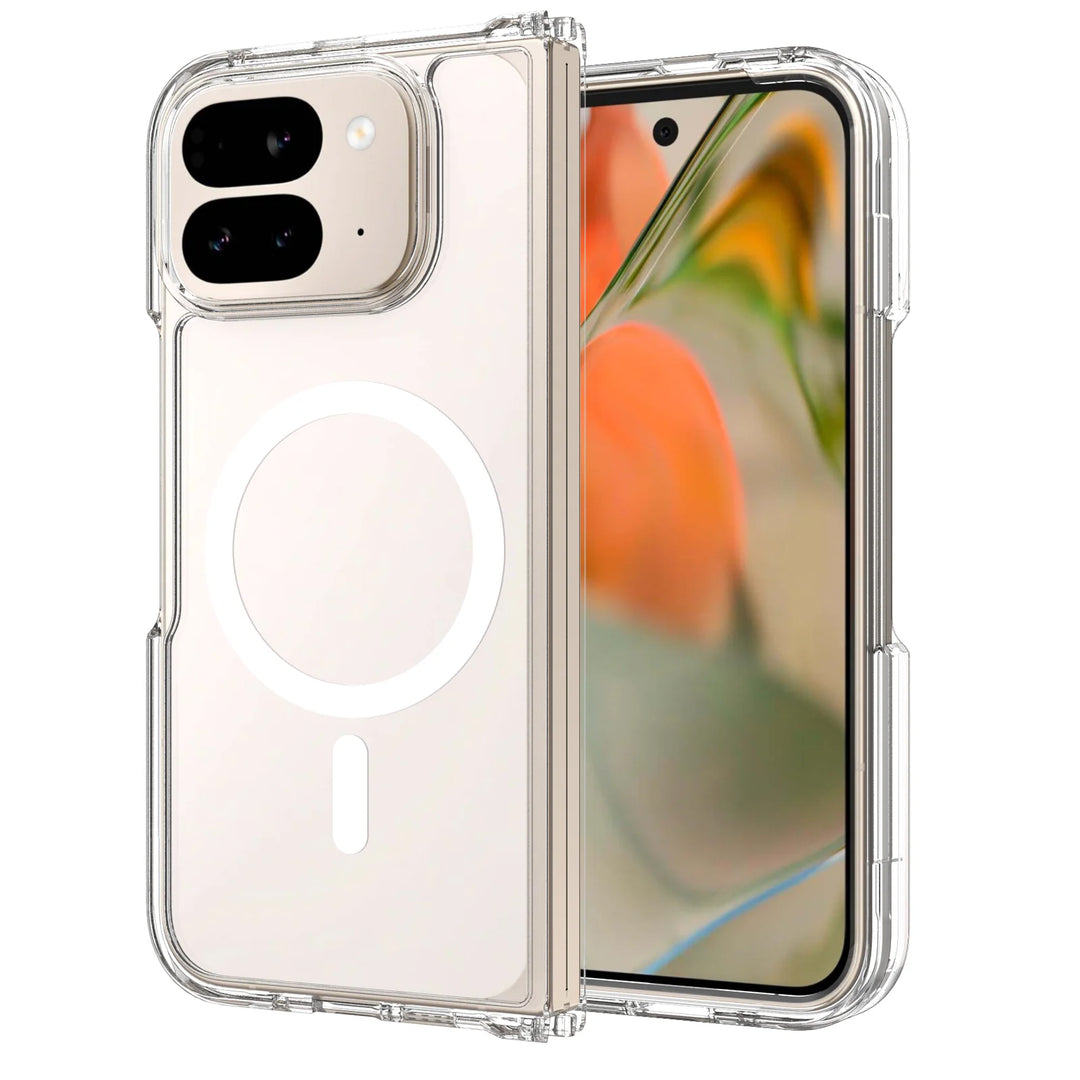
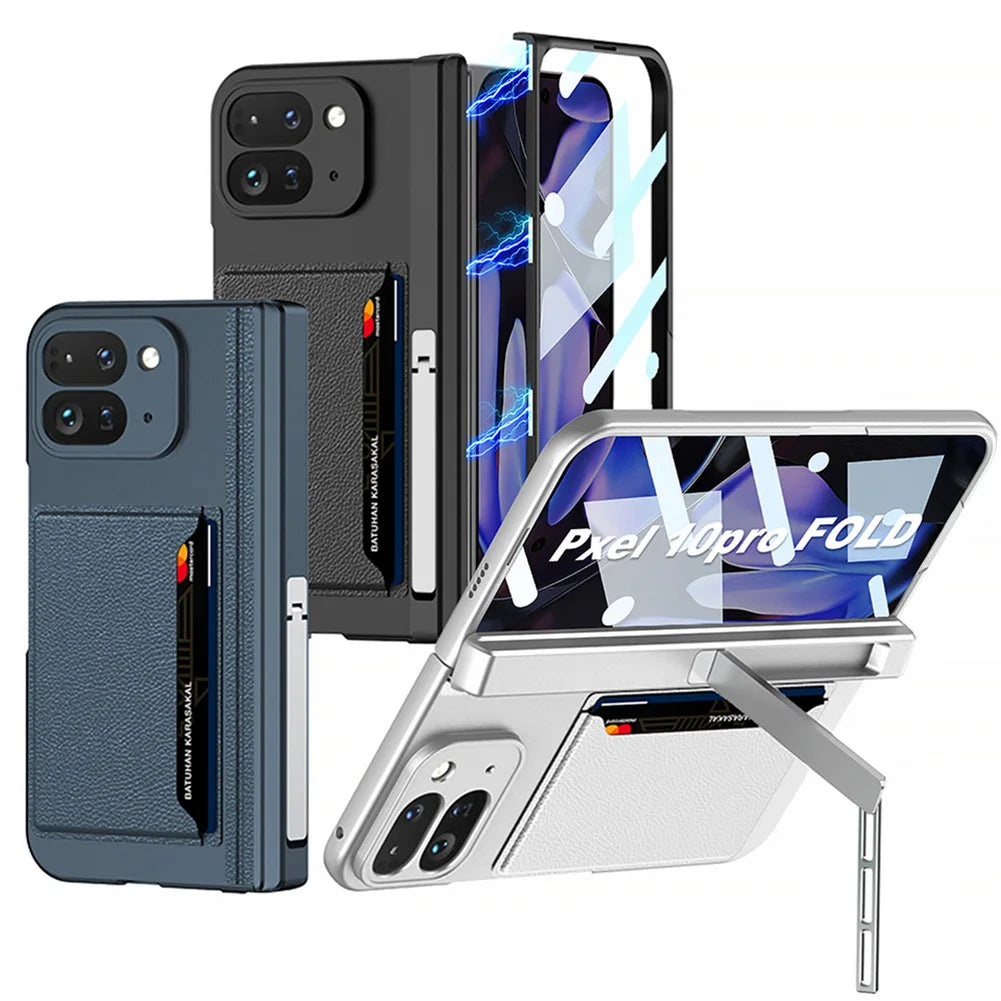
- Hinge-cover cases — Maximum safety with floating hinge protection. Best for heavy users and travelers.
- Slim foldable cases — Minimal bulk with flexible hinge bridges. Ideal for daily carry.
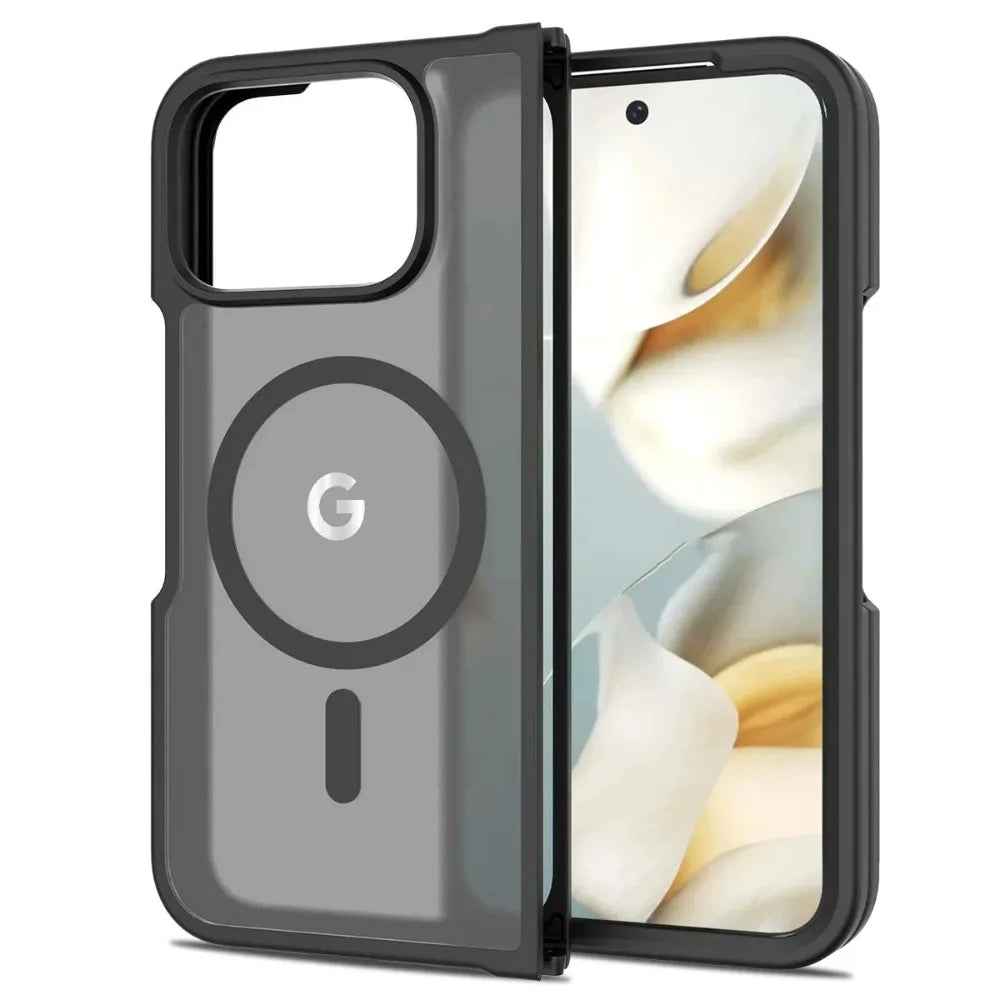
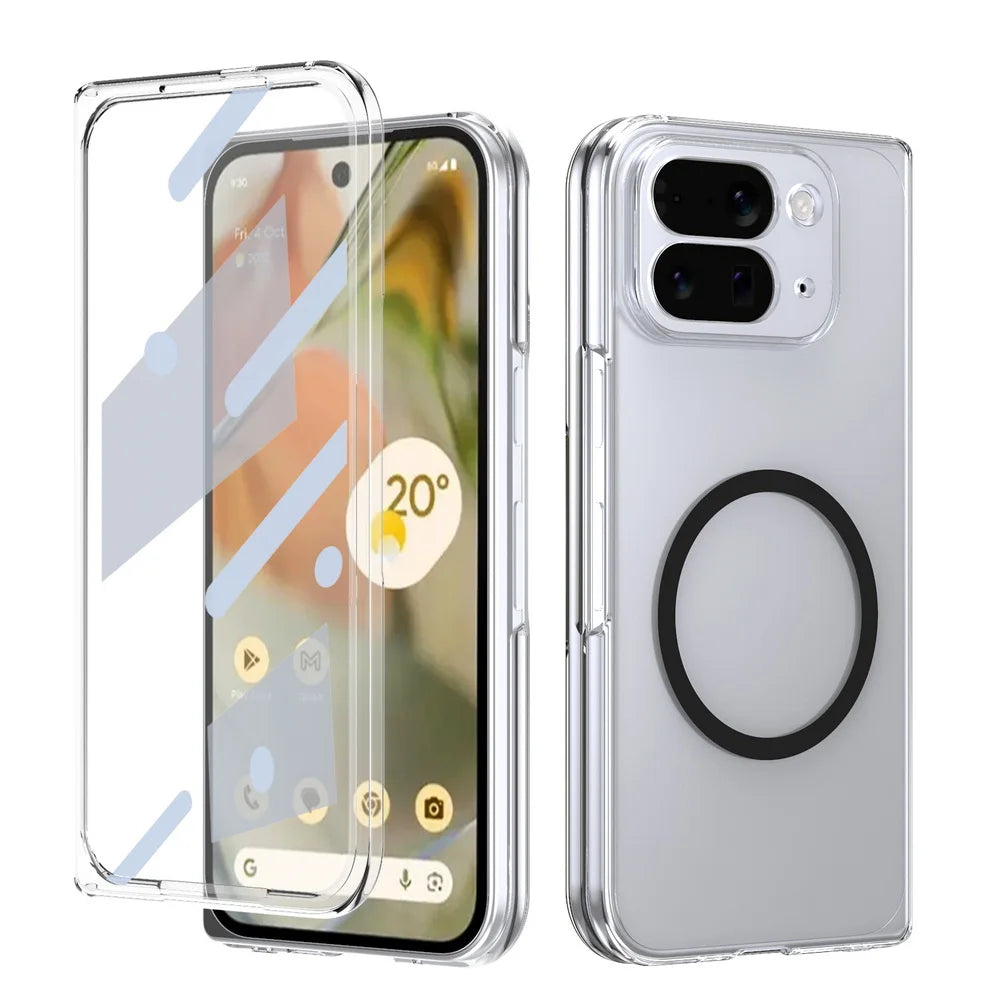
- Magnetic fold cases — Built-in Pixelsnap™ magnets for charging and car mounts. Great for modern workflows.
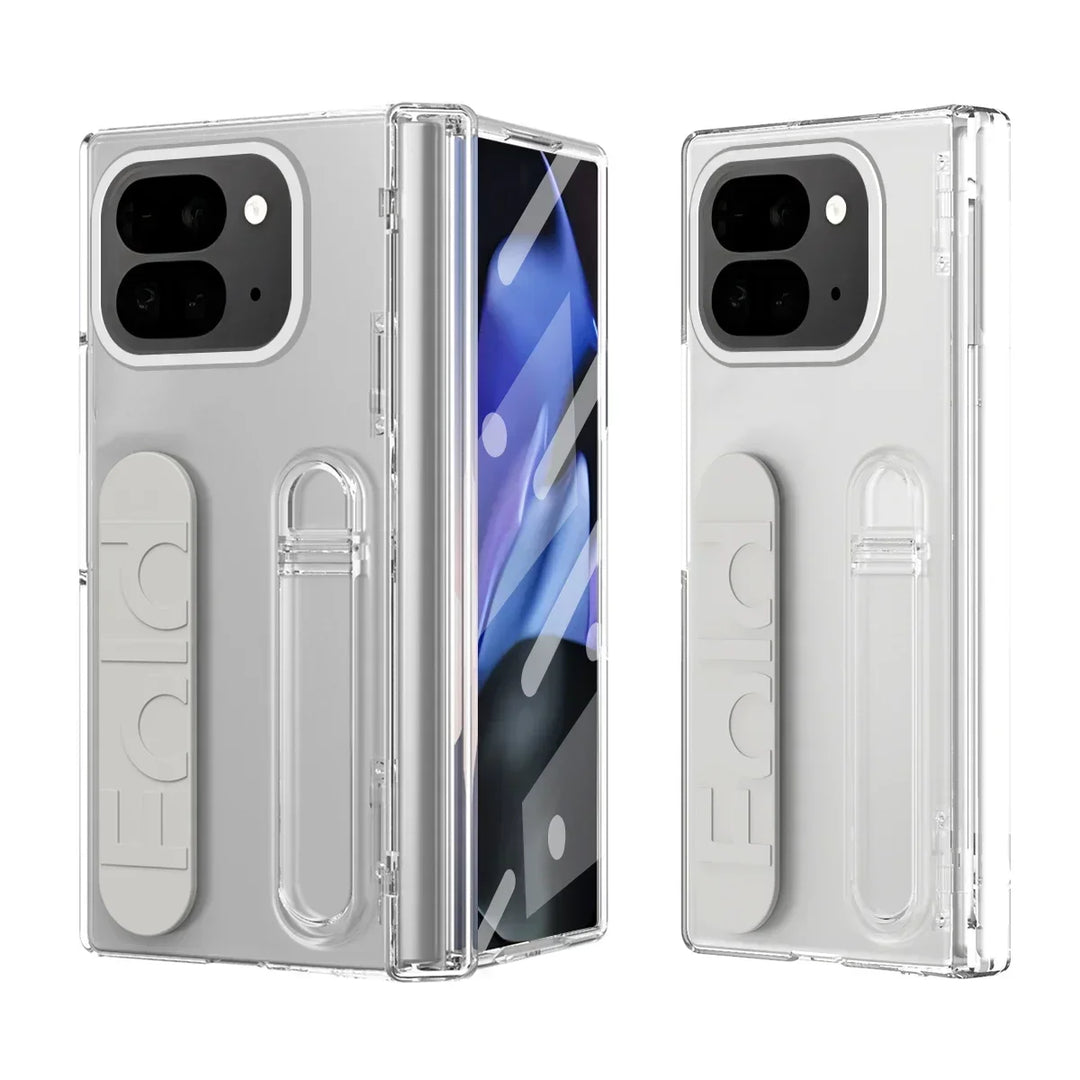
- Kickstand fold cases — Built-in stand for unfolded viewing. Perfect for productivity and video.
Each type trades off some protection for convenience — but all are better than using a regular case.
Why Pixel Fold Users Need a Specialized Brand
Foldables are expensive — repairs cost $500–$1,200. Generic brands copy designs without understanding hinge mechanics. Only Pixel-only brands (like The Pixel Case) test on real foldables, refine hinge clearance, and focus on long-term durability.
👉 Shop cases engineered for Pixel Fold → https://thepixelcase.com/collections/pixel-fold-9-pro-accessories
The Pixel Case Foldable Advantage
- 100% Pixel-only — no distractions from other phones
- Fold-tested for 5,000+ cycles
- Drop-tested in both folded and unfolded states
- Anti-friction hinge materials
- Camera bar protection on outer panel
- Trusted by 50,000+ Pixel owners
- Ready for future Pixel Fold models
Common Mistakes Foldable Users Make
- Using regular cases on foldables
- Buying cheap hinge-less designs
- Ignoring dust protection
- Choosing style over engineering
FAQ
Can you use a regular Pixel case on a Pixel Fold?
No. Regular cases bind the hinge, create pressure on the inner screen, and often crack after a few folds.
Do foldable cases damage the hinge?
Poorly designed ones can — they pinch or restrict movement. Proper foldable cases use flexible hinge bridges that move with the mechanism.
What’s the safest Pixel Fold case type?
Hinge-cover cases with floating rails and reinforced corners. They provide maximum protection without stressing the fold mechanism.
Is hinge protection really necessary?
Yes. The hinge is the most expensive repair on a foldable ($500–$800). Dust, side impacts, and binding cause premature failure.
Are foldable cases bulky?
Not anymore. Modern specialized designs add only 1.5–2.5 mm thickness while providing superior protection.
Final Summary
Foldable Pixel phones aren’t fragile — but they are different.
And difference demands engineering, not shortcuts.
👉 Protect your Pixel Fold with cases built specifically for foldables → https://thepixelcase.com/collections/pixel-fold-9-pro-accessories