Is the Pixel 10a Too Good for Its Price?
The Pixel 10a costs $499. And honestly… that's strange.
Not strange in a "something must be wrong" way. Strange in a "why would Google do this to themselves" way. Because the phone is good. Not good-for-the-price good. Not budget-phone-with-asterisks good. Just… good. The kind of good that makes you look at the Pixel 10 at $799 and wonder what exactly that extra $300 is buying you.
Phones at this price usually come with obvious compromises. A camera that falls apart in low light. A display that washes out in the sun. Software that lags behind the flagship by a generation. The Pixel 10a doesn't fully follow that script. Google took most of what makes the Pixel 10 compelling — the Tensor G5 platform, the AI features, the seven years of updates, the camera processing — and packed it into a phone that costs 37% less.

Which raises a question that's more interesting than any spec sheet: is Google sacrificing margins to build market share? Is this a strategic pricing play? Or has the cost of building a genuinely good phone simply dropped below what the industry wants to admit?
What $499 Normally Gets You
Mid-range phones have a pattern. You learn to read the spec sheet like a menu at a restaurant where everything sounds better than it tastes. "50MP camera" — but with a sensor that's three years old and processing that smears detail. "120Hz display" — but it's an LCD that dims to unreadable in sunlight. "Latest processor" — but it's the budget chip from Qualcomm's portfolio, not the one reviewers actually benchmark.
At $499, most phones ask you to pick your compromises. Samsung's Galaxy A-series gives you the display but skimps on processing speed. Motorola gives you battery life but the camera crumbles after dark. OnePlus gives you raw performance but the software support disappears after two years. The mid-range has always been a negotiation — what are you willing to sacrifice?
The Pixel 10a doesn't eliminate trade-offs entirely. But it moves the negotiation to a different table. The compromises exist — we'll get to them — but they're not where you'd expect.
Where the Pixel 10a Feels Like a $800 Phone
Start with the camera. Not the hardware — a 48MP main sensor that's good but not class-leading — but the processing. Google's computational photography pipeline is the same engine that runs on the Pixel 10 and Pixel 10 Pro. Night Sight, Magic Eraser, Best Take, Photo Unblur, the new AI-powered editing tools. The image that comes out of the Pixel 10a's camera is processed by the same software brain as the phone that costs $300 more.
In practice, this means the 10a takes photos that are 90% as good as the flagship in most conditions. The 10% gap shows up in extreme zoom, ultra-low light, and video stabilization — places where hardware matters more than software. But for the photos most people actually take — kids, food, pets, sunsets, selfies — the gap shrinks to almost nothing.
Then there's the software longevity. Seven years of Android updates. Seven years of security patches. A phone purchased today in 2026 will receive support through 2033. That's not a mid-range commitment. That's a flagship promise on a mid-range budget. At $499 spread across seven years, you're paying roughly $71 per year for a phone that will still be secure and updated when most other $499 phones have been abandoned by their manufacturers.
The Tensor G5 chip — the same platform architecture in the Pixel 10 — runs Google's on-device AI features natively. Gemini Nano, Live Translate, Call Screen, Circle to Search. These aren't watered-down versions. They're the same features, running on the same silicon, at the same speed. The 10a doesn't feel slow. It doesn't feel cheap. It doesn't behave like a phone that's apologising for its price.
The 6.3-inch OLED display runs at 120Hz with a peak brightness of 2,000 nits. Under a year ago, those specs would have been flagship-only. The in-display fingerprint sensor is fast. The speakers are adequate. The build quality, with Gorilla Glass 7c on the front, feels solid in the hand.
It doesn't feel cheap. It doesn't behave cheap. And that's what makes the pricing so interesting.
The Trade-Offs (Because Nothing Is Perfect at Any Price)
Let's be honest, because credibility matters more than hype.
The charging speed is adequate but not exciting. 23W wired charging won't win any races — the Pixel 10 charges faster, and Chinese competitors at this price blow past 60W. If you're the kind of person who charges in 20-minute bursts before running out the door, the 10a will test your patience. The 18W wireless charging is nice to have, but it's not fast enough to meaningfully change how you interact with the battery.
The design is essentially the Pixel 9a with a new processor inside. If you were hoping for a visual refresh — new materials, new camera bar shape, new proportions — the 10a doesn't deliver. It's a familiar silhouette with updated internals. That's not necessarily bad, but it does make the "new phone excitement" feel muted compared to what Samsung and OnePlus are doing with their mid-range industrial design.
Performance is good. Not flagship-tier. The Tensor G5 in the 10a uses efficiency cores that are clocked lower than the Pixel 10's configuration. You won't notice this in daily use — apps open fast, the UI is smooth, multitasking works. But in sustained gaming, heavy video editing, or benchmark comparisons, the gap between the 10a and the Pixel 10 is real. If you push phones hard, you'll feel the ceiling.
There's no telephoto lens. The Pixel 10 Pro's 48MP 5x optical zoom is nowhere to be found — you get a 13MP ultrawide alongside the 48MP main shooter. Digital zoom works well enough thanks to Google's processing, but if you need genuine optical reach, the 10a isn't your phone.
These are the compromises. They're real. But notice something: they're the compromises of a phone that's trying to be more than it costs — not less.
The Bigger Question: Is Google Disrupting Its Own Flagships?
Here's the thing that keeps nagging: if the Pixel 10a is this good at $499, why does the Pixel 10 exist at $799?
The standard answer is that flagships serve a different audience — people who want the best camera, the fastest charging, the most premium materials. That's true. But the gap between "best" and "good enough" has been shrinking every year, and the Pixel 10a might represent the year it shrank past the point where most people can tell the difference.
When 90% of your photos look identical between a $499 phone and an $799 phone, when the software is identical, when the update timeline is identical — the remaining 10% has to work awfully hard to justify the 60% price increase.
This might be intentional. Google's business isn't selling phones — it's selling the Google ecosystem. Search, Assistant, Maps, Photos, the AI platform. Every Pixel sold, regardless of price tier, is a customer inside that ecosystem. If pricing the 10a aggressively brings in twice as many Pixel users as the Pixel 10 alone would, Google wins even if the hardware margin is thin.
It's a strategy that would make Samsung nervous. Apple already proved that keeping older models at lower prices cannibalises flagship sales — the iPhone SE exists in careful tension with the iPhone Pro. Google seems less worried about that tension. The Pixel 10a doesn't feel like a phone that's been artificially limited to protect the flagship. It feels like a phone that was built to be as good as possible at $499, and whatever that means for Pixel 10 sales, Google has decided that's fine.
That's either very smart or very reckless. Probably both.
Who the Pixel 10a Is Really For
Not everyone who buys a good phone needs a $900 phone. That's not a revelation, but it is something the industry prefers you forget. Every product launch, every ad campaign, every hands-on video pushes you toward the premium tier because the margins are better. The Pixel 10a is a quiet counterargument.
It's for the person who takes a lot of photos but has never printed one larger than a phone screen. It's for the person who uses their phone for seven hours a day but spends six of those hours in apps that would run on a phone from 2020. It's for the parent buying a first "real" phone for a teenager who will lose it within eighteen months. It's for the pragmatist who calculated the per-year cost and couldn't justify doubling it for a slightly better telephoto lens.
It's also — and this might be the 10a's most underrated market — for people who already own flagship phones and are starting to wonder why. The person with a Pixel 8 Pro or a Samsung S24 Ultra who, when they really think about it, uses their phone for the same things they'd use the 10a for. The cognitive dissonance of realising that your $1,200 phone and a $499 phone do 95% of the same things equally well is uncomfortable. But the Pixel 10a makes it unavoidable.
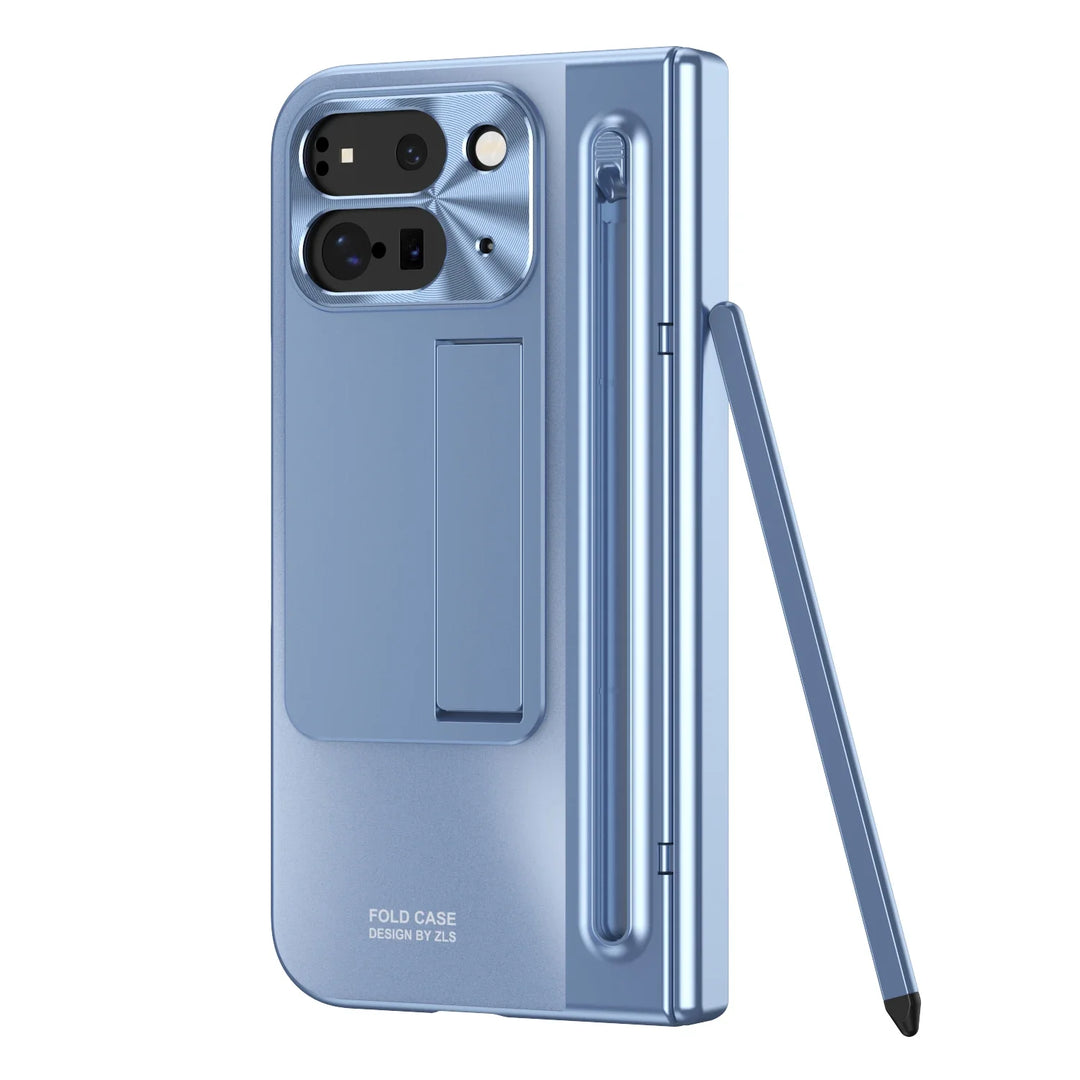
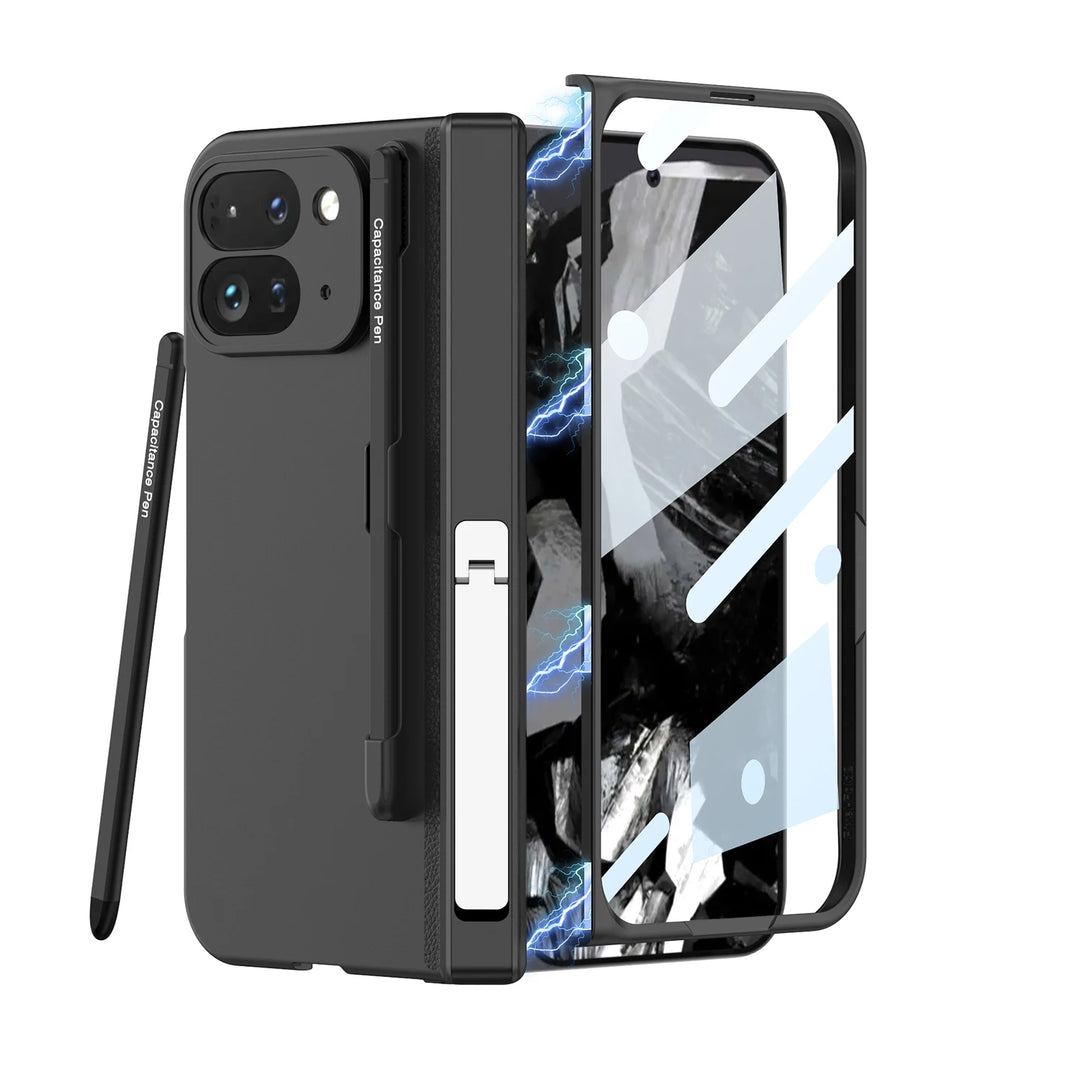
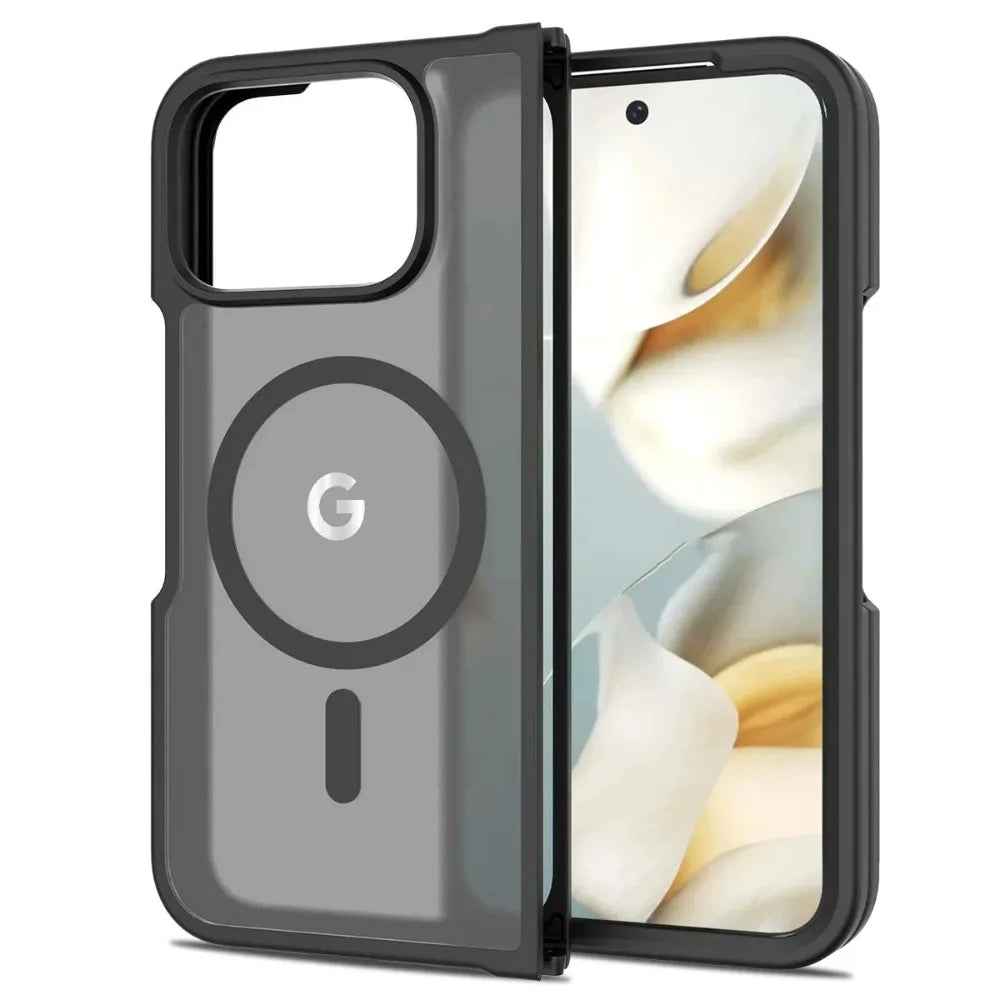
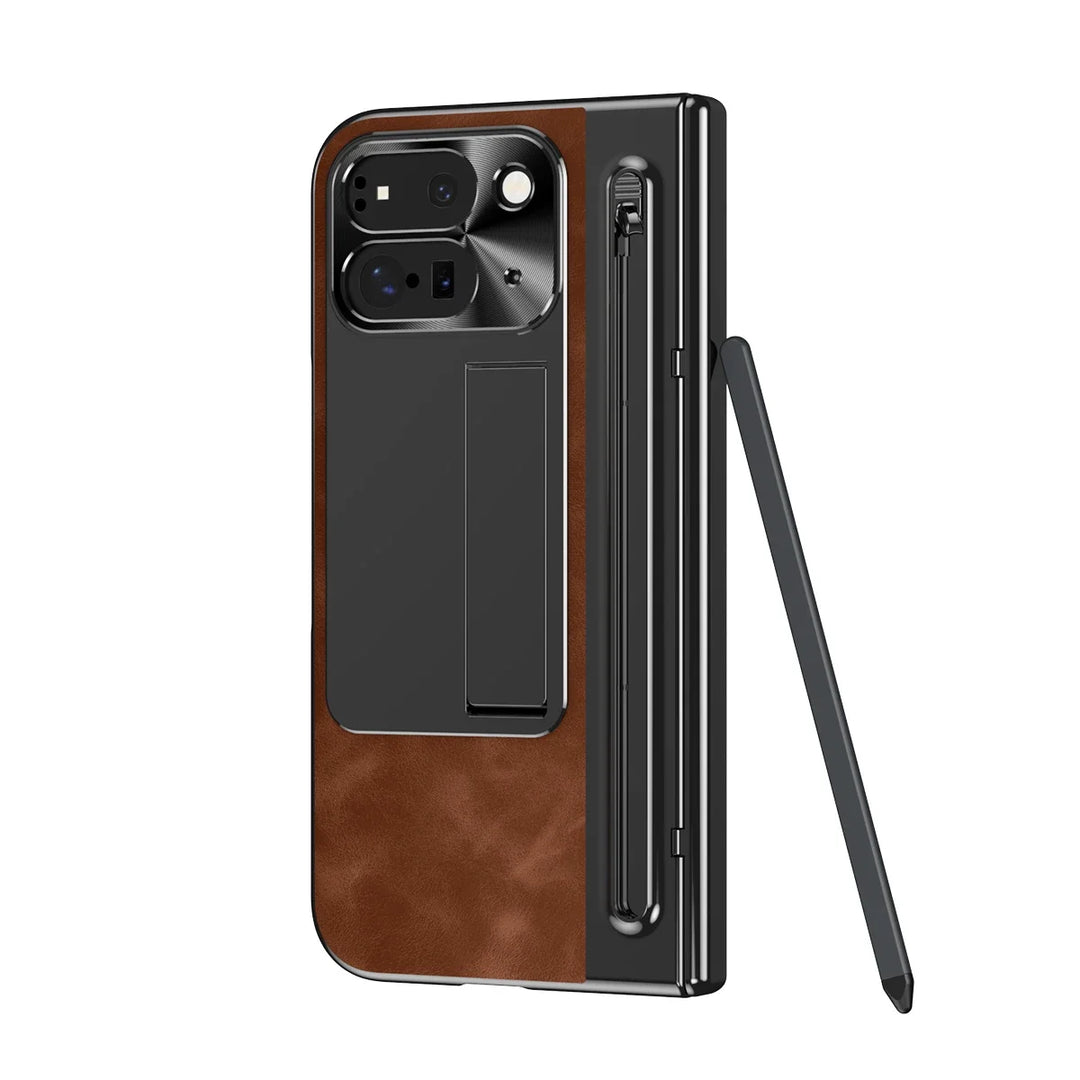
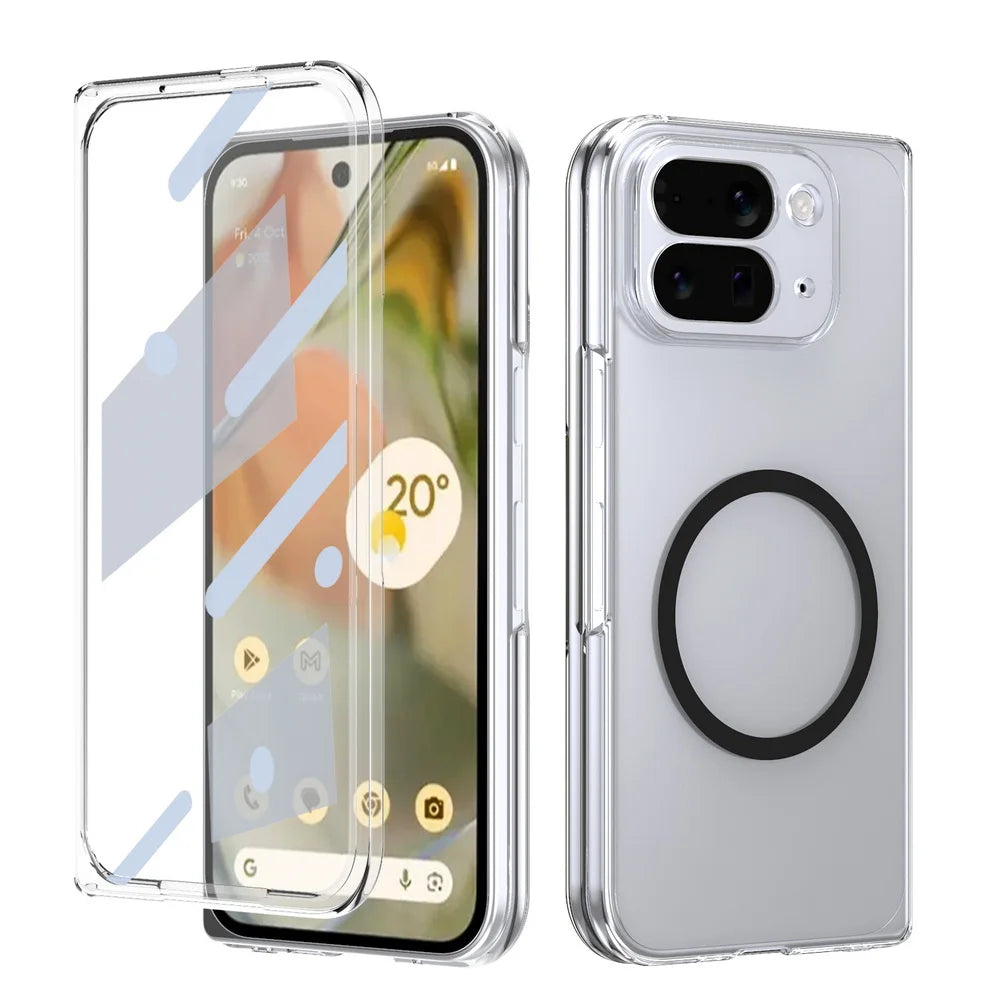
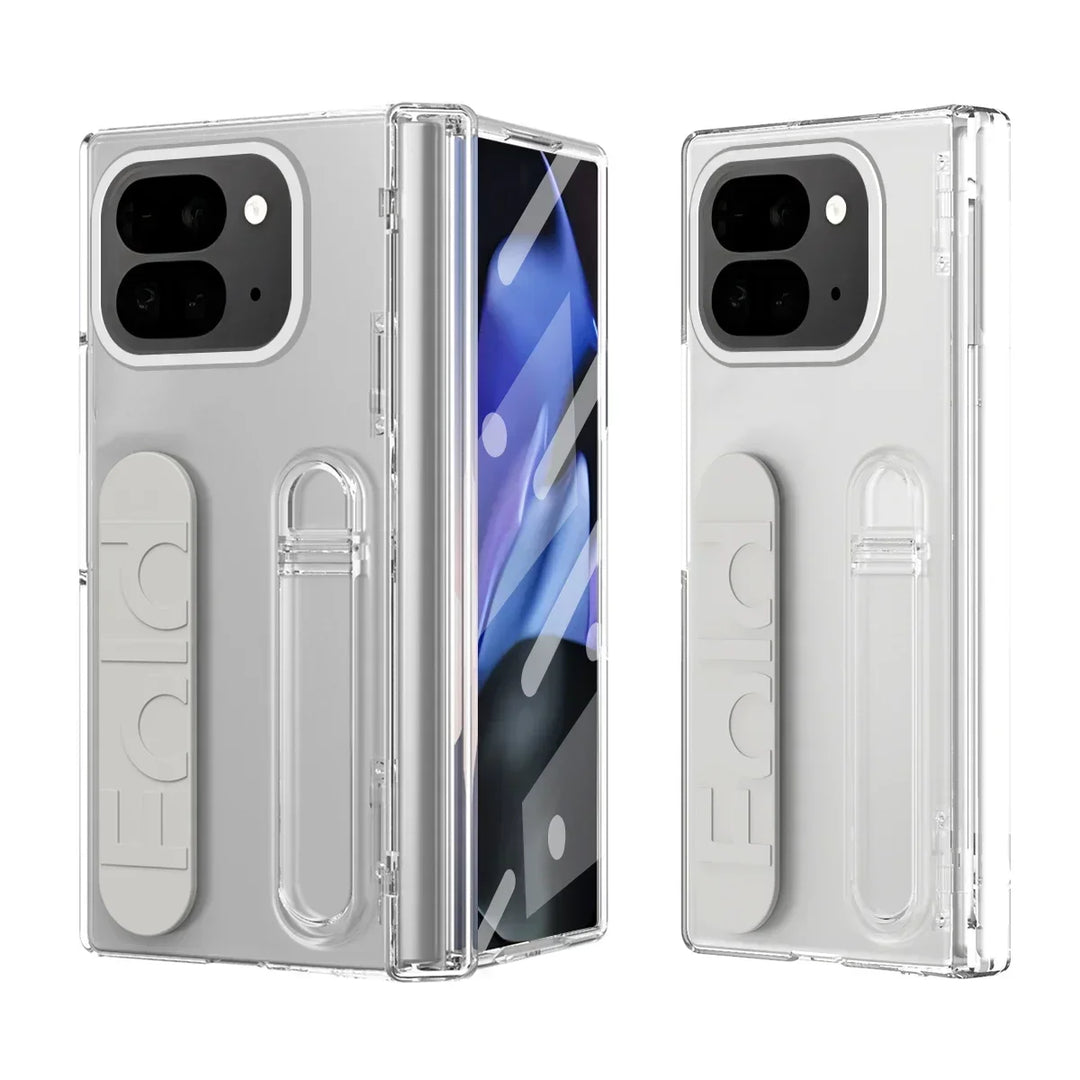
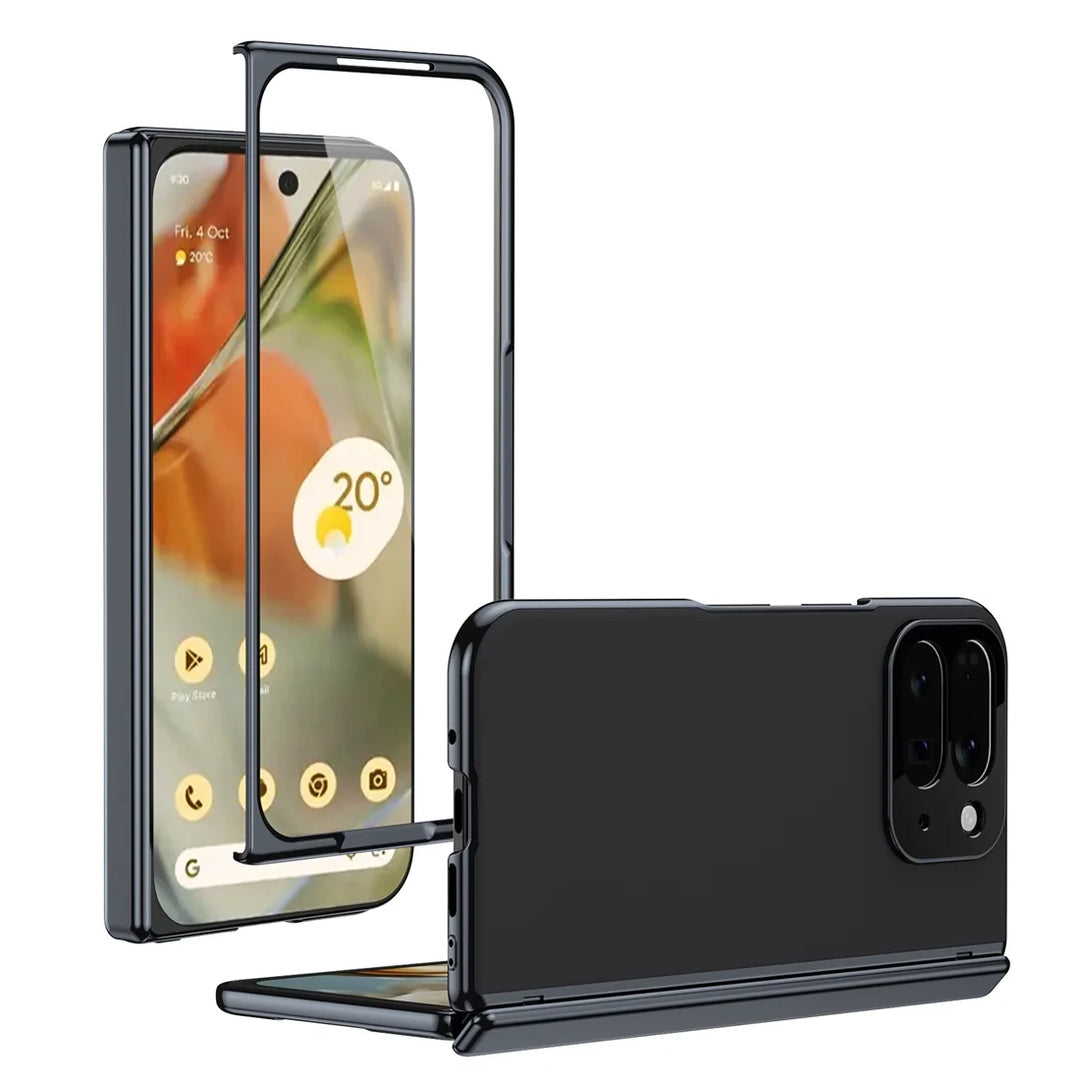
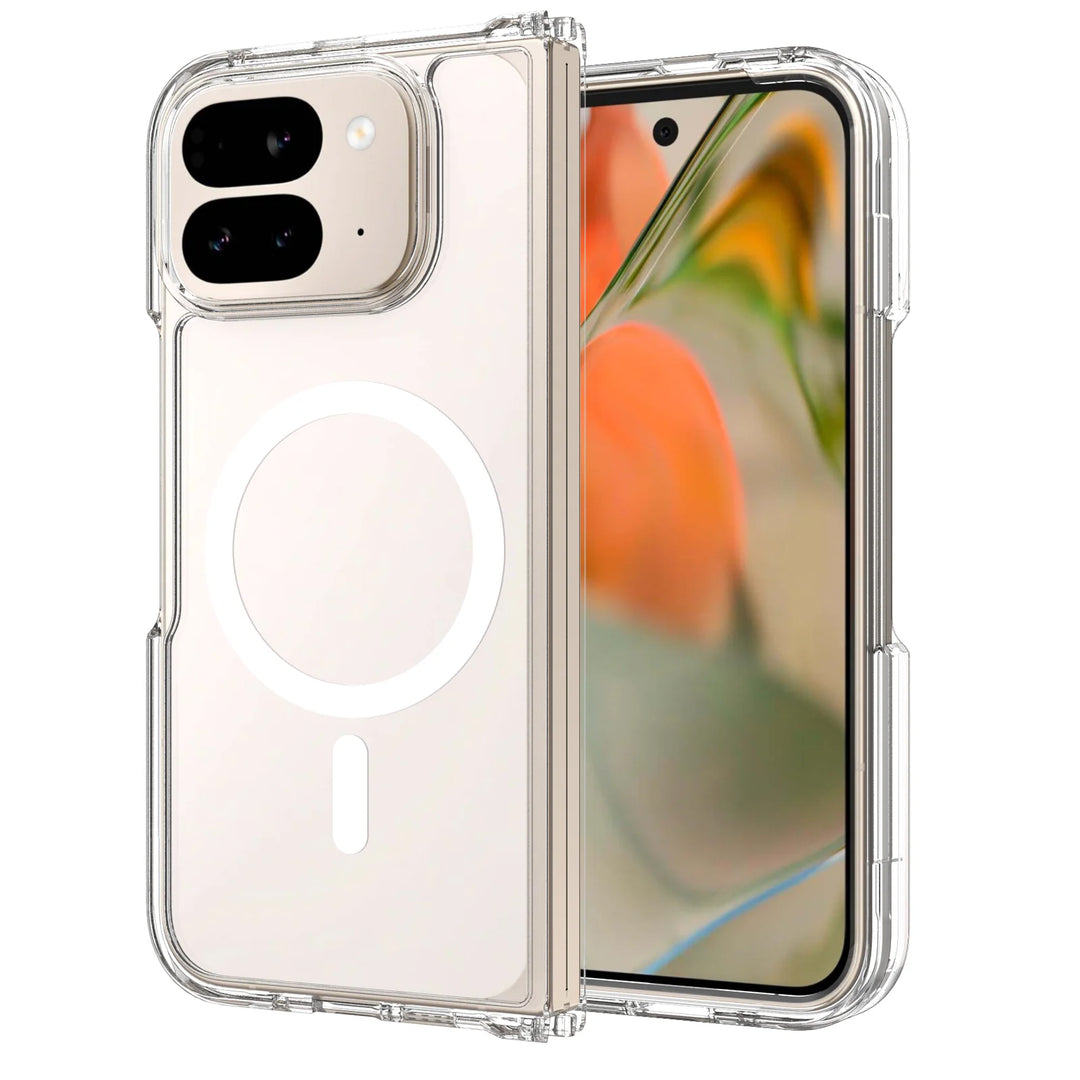
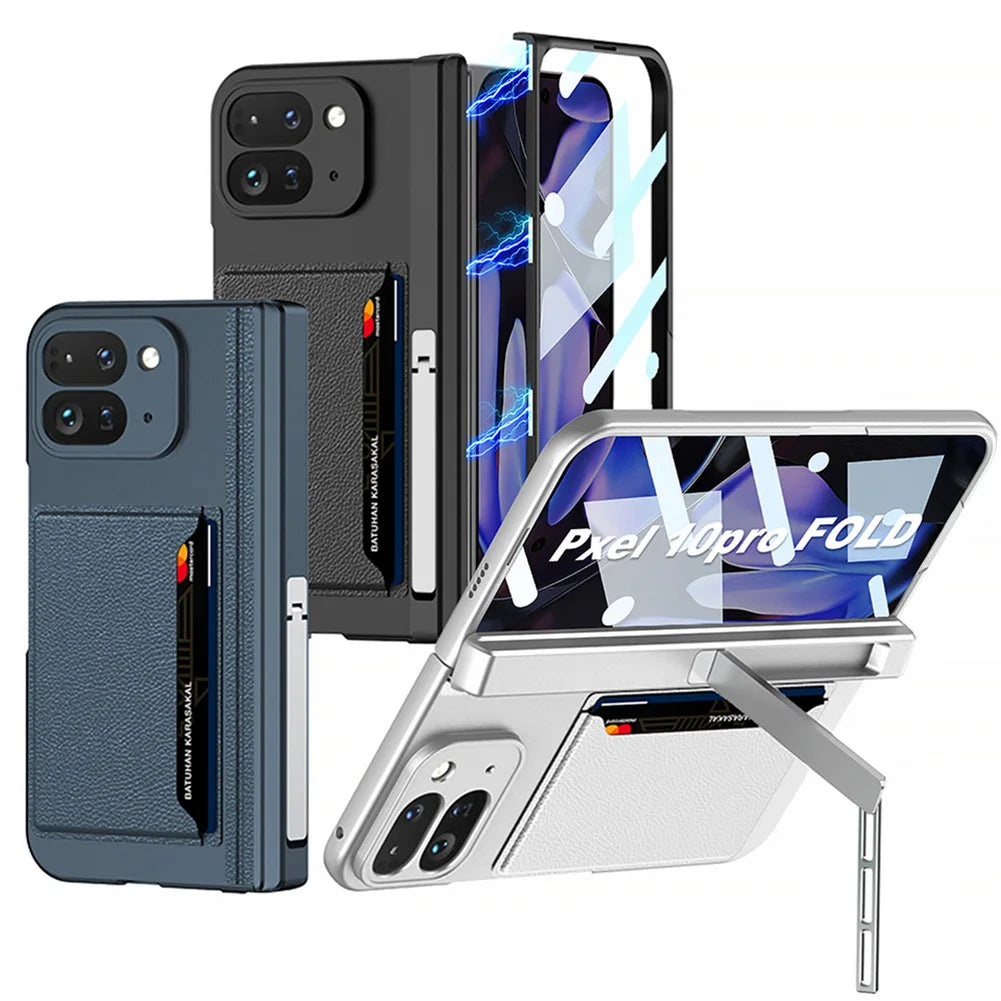
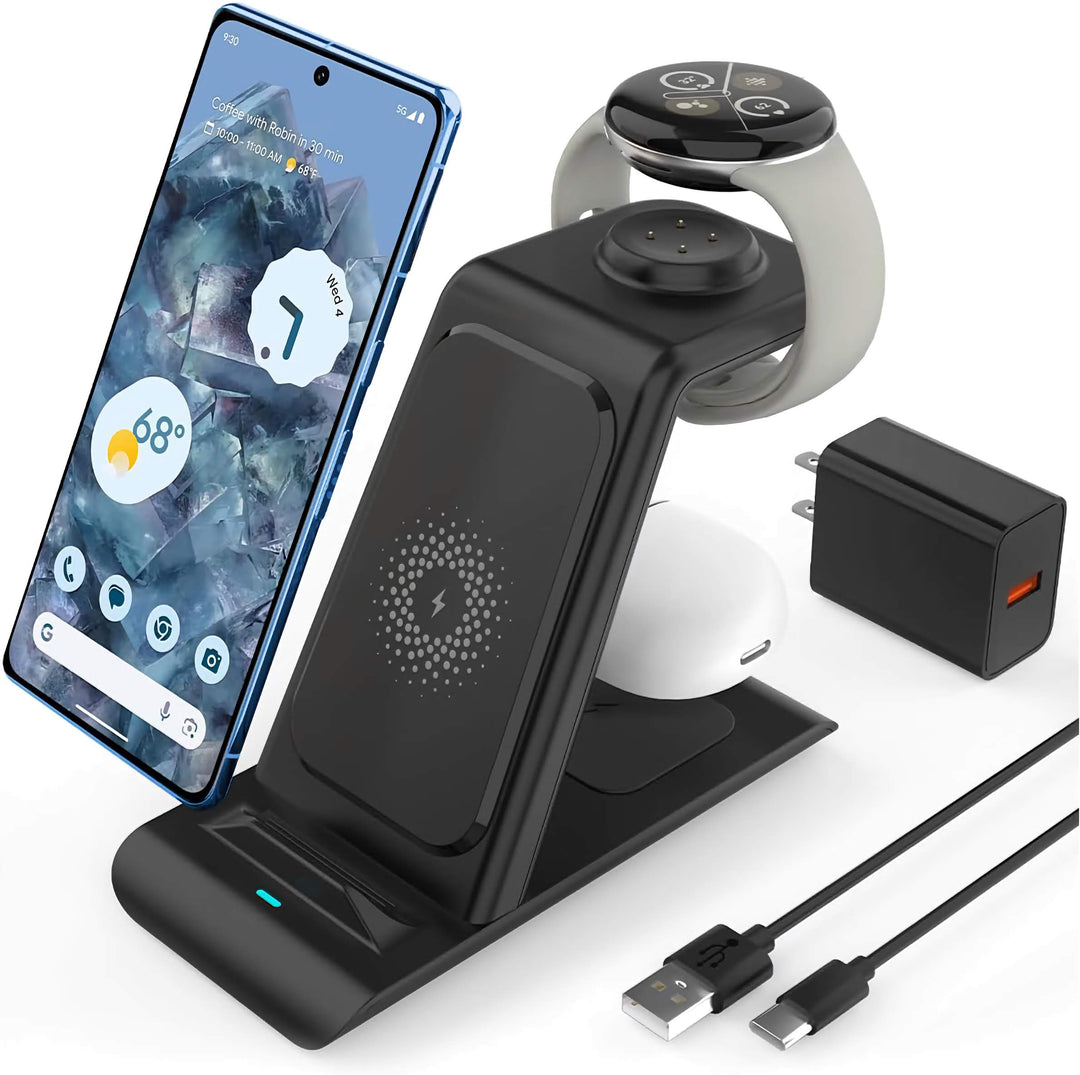
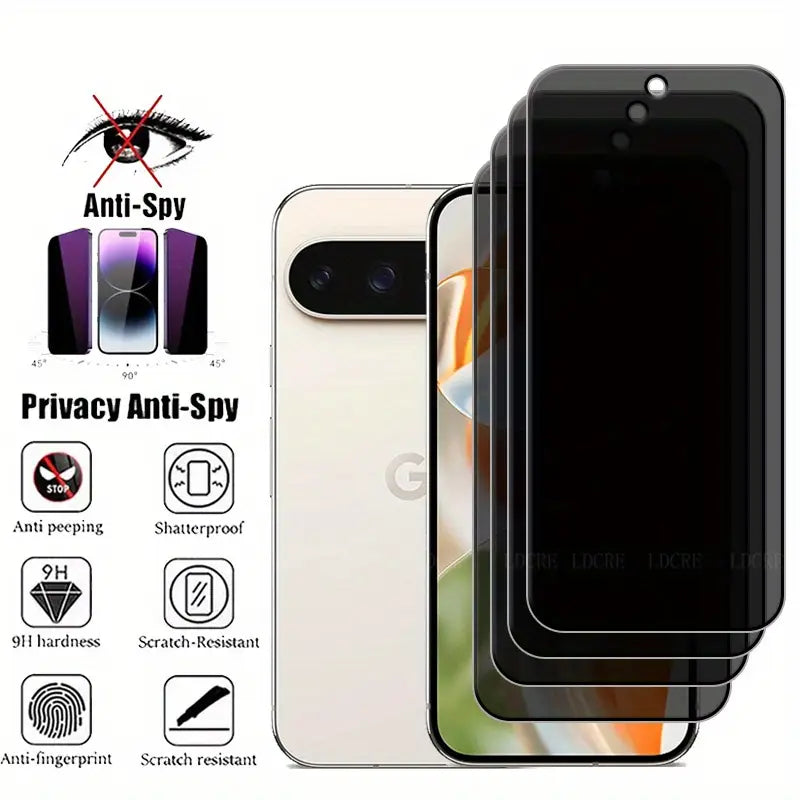
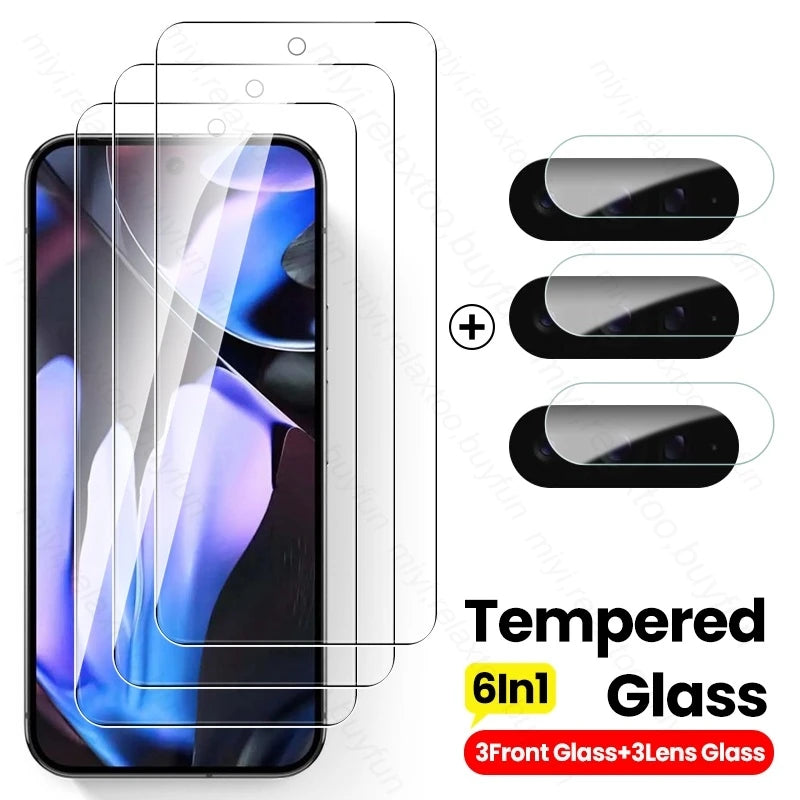
Running The Pixel Case — a store fully dedicated to Pixel accessories — gives me a front-row view of how people actually use their phones. And what I'm seeing with the 10a is interesting: people aren't treating it like a "budget phone." They're buying premium cases, screen protectors, wireless chargers. They're investing in it the way you invest in something you plan to keep for years.
That tells me something the spec sheets don't. When people spend money protecting a device, they believe in its longevity. And the Pixel 10a, with its seven-year update window and flagship-tier software, gives them reason to.
If you're looking for protection for yours: Pixel 10a cases
The $499 Question
Maybe the Pixel 10a isn't too good for its price. Maybe it's the right amount of good, and the phones above it are too expensive for theirs. Maybe $499 was always what a phone with a great camera, seven years of software, and competent-everything-else should cost — and the industry just convinced us otherwise because higher prices meant higher margins.
The most disruptive thing about the Pixel 10a isn't the Tensor G5 or the camera processing or the AI features. It's the price tag. Because it makes you reconsider what you thought you needed. And once you start doing that, it's hard to go back to $900 phones without asking: "what exactly am I paying for?"
That's a question Google seems happy for you to ask. Even if the answer isn't great for their flagship sales.